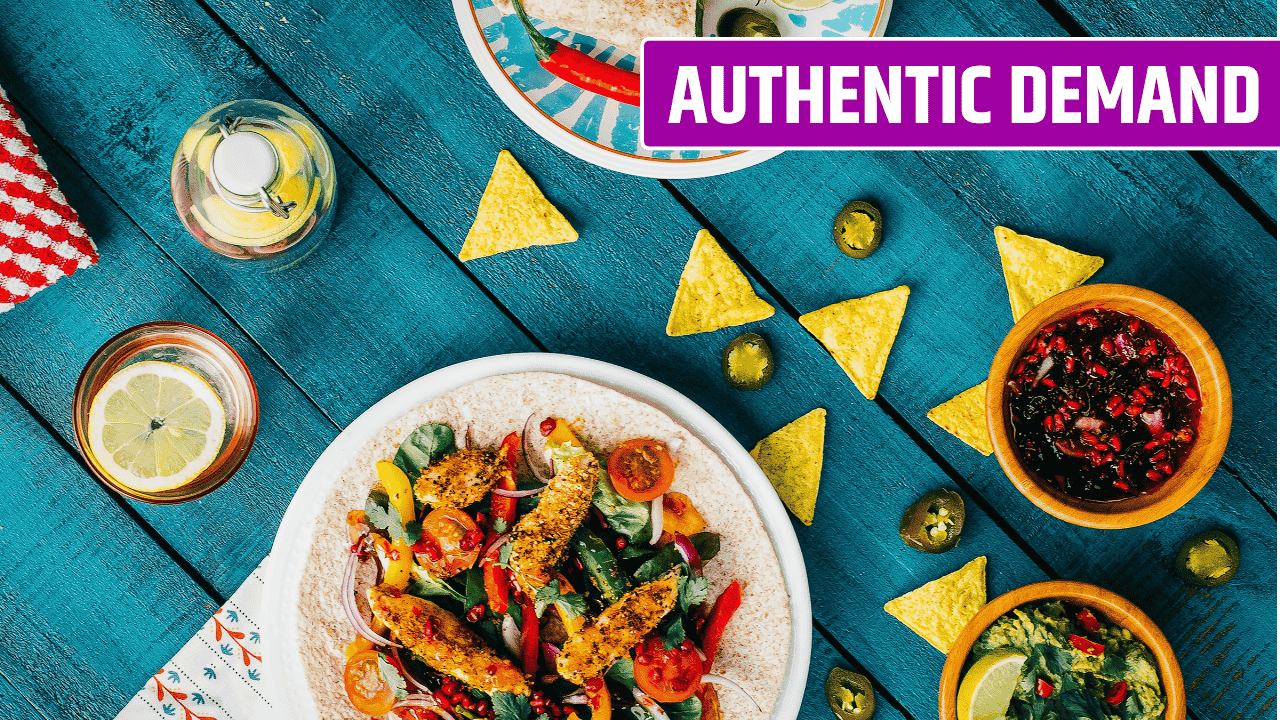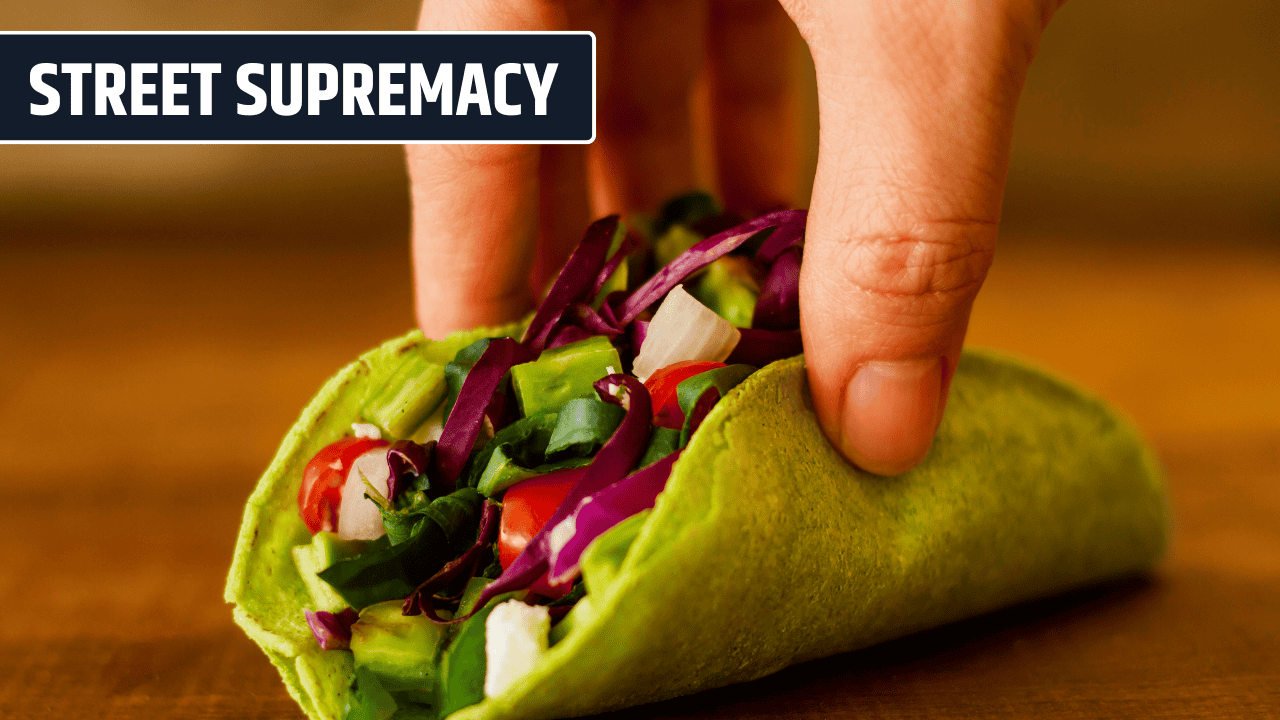
Mexican tacos and burritos are no longer just menu options—they’ve become the new staples of America’s fast-food culture. From bustling city streets to suburban drive-thrus, these once “ethnic” foods are now mainstream favorites, reshaping what Americans consider quick, convenient, and satisfying meals. Their rise signals a major shift in national eating habits, reflecting a growing demand for freshness, authenticity, and bold flavor—all wrapped in a tortilla.
The transformation isn’t accidental. As Americans grow more conscious about food quality, cultural diversity, and variety, tacos and burritos have stepped up to offer something traditional fast food no longer can: a mix of speed, flavor, and wholesomeness that feels both comforting and exciting.
A Flavor Revolution in Fast Food

For decades, the American fast-food market was dominated by burgers, fries, and sandwiches. However, diners eventually began craving something different—meals that were vibrant, customizable, and full of authentic flavor. Enter the taco and burrito: portable, flavorful, and endlessly adaptable.
Mexican cuisine delivers on all fronts. Unlike the predictable combinations of a cheeseburger and fries, tacos and burritos offer layers of taste—smoky meats, spicy salsas, tangy lime, and creamy guacamole. These flavors excite the palate while maintaining the convenience Americans love in fast food. Plus, the versatility of Mexican ingredients—beans, rice, grilled meats, and roasted vegetables—means there’s something for every dietary preference.
Chains like Chipotle, Qdoba, and Taco Bell capitalized on this shift early, blending fast service with fresher, more flavorful options. Meanwhile, local taquerias and food trucks brought genuine authenticity to the mainstream, showing that fast food could be both affordable and deeply cultural.
Healthier Perceptions and Fresh Ingredients

Another key reason tacos and burritos are replacing traditional fast food is perception. Burgers and fried foods are increasingly associated with being greasy, processed, and unhealthy, while Mexican-inspired meals are viewed as fresh, customizable, and balanced.
A standard burrito or taco meal often includes beans (a great source of protein and fiber), grilled meats, fresh vegetables, and minimal frying. Ingredients like avocado, cilantro, lime, and salsa emphasize natural flavor rather than heavy oils or artificial additives. Even sauces—like salsa verde or pico de gallo—tend to be lighter and less processed than typical burger condiments.
This gives tacos and burritos a nutritional advantage. Consumers feel they’re eating something hearty yet wholesome, indulgent yet not guilt-ridden. The ability to personalize meals—from skipping cheese to adding extra veggies—has only reinforced their appeal among health-conscious diners.
Cultural Diversity and Culinary Curiosity

As America becomes more diverse, so does its food landscape. The popularity of Mexican cuisine is not only a reflection of flavor preferences—it’s a celebration of cultural exchange. Tacos and burritos carry stories of Mexican heritage, and eating them connects people to a deeper culinary narrative.
Second-generation Mexican American chefs and entrepreneurs have played a huge role in this evolution, introducing authentic recipes and elevating them within fast-casual settings. Their influence has helped reshape public perception, moving tacos from “cheap eats” to respected, flavorful expressions of culture.
Moreover, diners are increasingly curious about regional variations—from Baja-style fish tacos to Northern Mexican carne asada burritos and Yucatecan cochinita pibil. These distinctions make Mexican food endlessly intriguing compared to standardized fast-food menus.
The Fast-Casual Revolution
One of the biggest factors behind this shift is the rise of the fast-casual dining model—a category that sits between traditional fast food and full-service restaurants. Mexican-inspired brands have dominated this space, emphasizing fresh preparation, open kitchens, and sustainable sourcing.
Chains like Chipotle and Dos Toros built their empires on transparency and simplicity: fresh ingredients, customizable meals, and fast service without compromising quality. Customers can see their food being prepared in real time, creating trust and engagement. This model directly challenged the secrecy and uniformity of legacy fast-food brands.
Even major players like McDonald’s and Wendy’s have struggled to match the freshness and perceived authenticity of Mexican-style offerings. The appeal of “build-your-own” tacos and burritos makes customers feel empowered, involved, and connected to what they eat—qualities missing from older fast-food experiences.
Economic Appeal and Accessibility
Another reason tacos and burritos have risen to dominance is their economic versatility. These foods are both cost-effective and easy to scale. Whether it’s a small food truck or a national chain, the ingredients are simple, affordable, and adaptable to various price points.
For consumers, tacos offer flexibility. You can grab one or two for a light snack or a full platter for a hearty meal. Burritos, meanwhile, provide a complete, portable meal in one wrap—ideal for busy lifestyles. This convenience mirrors traditional fast food but adds the bonus of vibrant flavor and freshness.
Moreover, Mexican restaurants often highlight local sourcing—buying fresh produce, meats, and herbs from nearby farms—which appeals to modern diners who value community and sustainability.
A Shift in Taste and Identity
Food trends often reflect broader cultural identities, and the rise of Mexican tacos and burritos in America signals more than a change in palate—it represents a redefinition of fast food itself. American diners no longer equate “fast” with “cheap” or “low quality.” Instead, they expect flavor, freshness, and authenticity, all of which Mexican food delivers beautifully.
The younger generation, in particular, associates Mexican street food with social connection and cultural discovery. Whether at pop-up taco stands or trendy burrito bars, eating Mexican food feels communal, vibrant, and expressive—a refreshing contrast to the monotony of drive-thru meals.
FAQs
Why are tacos and burritos replacing burgers and fries?
Because they offer fresher ingredients, customizable meals, and a sense of cultural authenticity that modern consumers crave.
Are tacos and burritos healthier than traditional fast food?
Generally yes. They often include lean proteins, beans, vegetables, and minimal frying, making them lighter and more nutritious than greasy fast food options.
What makes Mexican fast food more appealing?
The flavor complexity, freshness, and flexibility of ingredients make Mexican food exciting yet accessible.
Are Mexican chains like Chipotle considered authentic?
While not fully traditional, they’ve popularized elements of authentic Mexican cooking, helping bridge mainstream and cultural cuisine.
Will Mexican-inspired fast food continue to grow?
Absolutely. With health trends, cultural diversity, and consumer curiosity on the rise, tacos and burritos are poised to remain leaders in the fast-casual industry.