Mexican food has long been a staple of the American dining scene — colorful, flavorful, and endlessly adaptable. But beyond its culinary appeal, it also stands out as one of the most lucrative niches for online creators, food bloggers, and restaurant websites using Google AdSense. From recipe blogs and restaurant directories to YouTube cooking channels and delivery platforms, Mexican cuisine consistently generates high traffic and strong ad engagement. Let’s explore why this vibrant culinary category performs so well in the AdSense ecosystem.
High Search Volume and Evergreen Interest
One of the main reasons Mexican food performs exceptionally well for AdSense monetization is its massive and evergreen search demand. People are always searching for Mexican recipes, restaurant recommendations, and food guides — every single day of the year.

Terms like tacos near me, easy guacamole recipe, authentic enchiladas, and Mexican restaurants open now attract millions of monthly searches. This consistent demand ensures a steady flow of traffic for content creators, regardless of trends or seasons. Mexican food is not a passing fad — it’s a beloved cuisine woven into everyday American dining habits, giving it long-term SEO value and monetization stability.
Diverse Content Opportunities
Another factor that makes this niche AdSense-friendly is its incredible content versatility. Mexican food lends itself to numerous content formats, including:
- Step-by-step recipe articles
- Ingredient and spice guides
- Restaurant reviews and local dining maps
- Video cooking tutorials
- Food photography blogs
- Cultural pieces on regional Mexican cuisine
This variety allows publishers to target multiple audience segments — from home cooks to travelers and foodies — expanding traffic sources and increasing ad impressions. It also means you can attract both high-volume and high-intent keywords, which are particularly valuable for AdSense optimization.
Strong Advertiser Demand

Mexican cuisine intersects with several high-paying advertising categories — food delivery apps, grocery stores, kitchenware, travel, and dining services. These industries consistently invest in digital advertising, making ad inventory more competitive and boosting cost-per-click (CPC) rates.
For instance, a Mexican recipe blog might feature ads for premium cookware, tortilla presses, or cooking classes, while a restaurant website could attract ads from delivery platforms like DoorDash or Uber Eats. Because Mexican food appeals to such a broad audience, advertisers are willing to bid higher to reach relevant users, directly benefiting AdSense revenue.
Local SEO and Restaurant Discovery
For restaurant-focused websites, Mexican cuisine’s strong local presence is another AdSense advantage. Mexican restaurants are among the most common and searched-for types of eateries in the U.S., especially in states like California, Texas, Arizona, and Florida.

Local SEO keywords such as best tacos in Austin or authentic Mexican restaurant near Los Angeles not only attract organic traffic but also pair well with location-based AdSense ads, which tend to have higher engagement rates. The local discoverability factor ensures that both small and large publishers can benefit from consistent, geographically targeted ad performance.
Highly Visual and Shareable Content
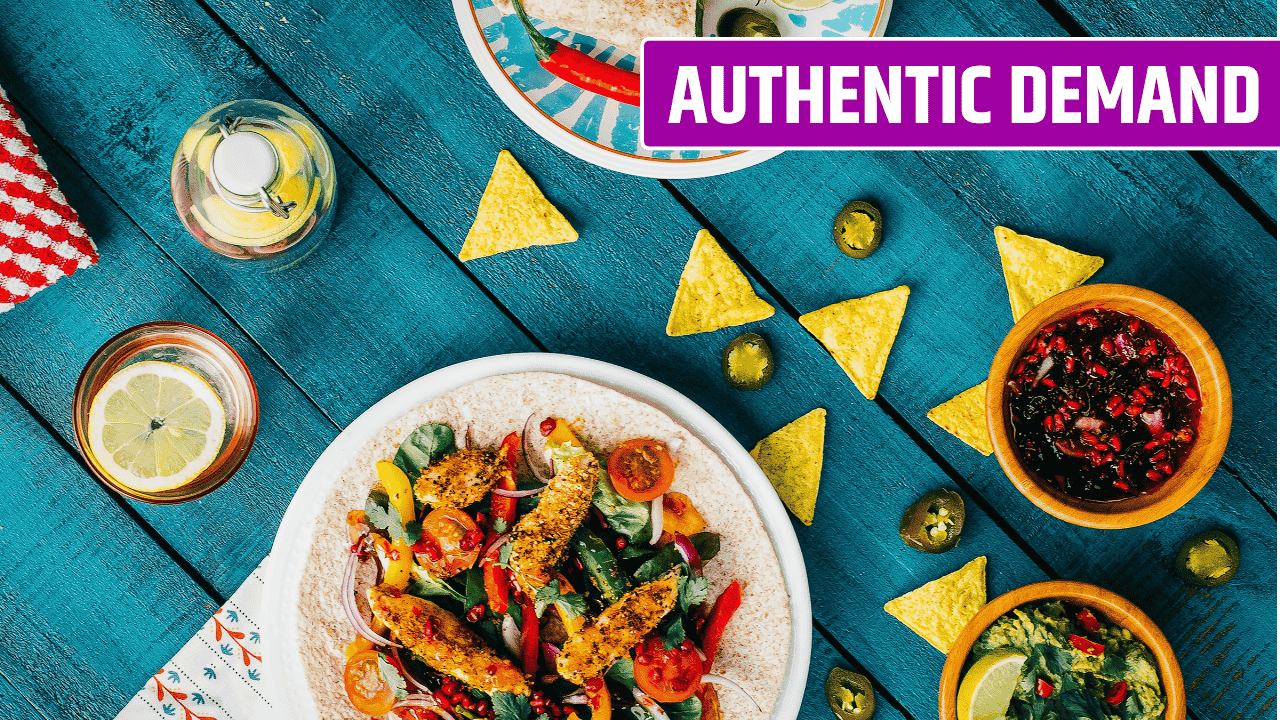
Mexican food is naturally colorful and photogenic — vibrant salsas, melted cheese, fresh guacamole, and handmade tortillas capture attention instantly. This visual appeal translates beautifully across social media platforms and content marketing, which in turn drives higher website traffic and, ultimately, more ad impressions.
When users share recipes or restaurant recommendations, it extends reach organically. High engagement and repeat visitors signal quality to Google, which can indirectly improve AdSense performance by increasing traffic quality and retention time.
Bilingual and Cultural Reach
Another unique factor that enhances the AdSense potential of the Mexican food niche is its bilingual and cross-cultural audience. Content in both English and Spanish can capture diverse demographics across the United States, Latin America, and beyond.
A bilingual food blog, for example, can double its keyword coverage and ad impressions by catering to both language audiences. With Hispanic and multicultural food markets growing rapidly, advertisers are increasingly targeting bilingual consumers — which means higher CPM (cost per thousand impressions) rates for publishers in this space.
Recipe Niches with High Engagement Rates
Food blogs tend to perform well on AdSense because visitors often spend longer on pages — reading, scrolling through photos, or watching embedded videos. Mexican recipes, in particular, encourage this kind of engagement. Complex dishes like mole poblano, tamales, or pozole require detailed explanations and cooking steps, meaning users stay on the page longer.
Longer page sessions lead to higher viewability rates for ads, increasing total impressions and click-through opportunities. Combined with strong SEO and evergreen interest, this makes Mexican food blogs especially profitable under the AdSense model.
Integration with Affiliate Marketing
While AdSense remains a solid monetization base, the Mexican food niche pairs exceptionally well with affiliate marketing, which enhances total site revenue. Bloggers and restaurants can recommend products like Mexican spices, tortilla makers, or cooking utensils — all while displaying contextual ads through AdSense.
This hybrid approach maximizes monetization per visitor and appeals to advertisers looking to reach passionate, purchase-ready audiences. Google’s algorithm favors high-quality, helpful content, so well-written affiliate + AdSense blogs tend to rank higher and perform better overall.
FAQs
Why does Mexican food perform better than other cuisines on AdSense?
Because of its evergreen popularity, visual appeal, and high advertiser demand across multiple industries like food delivery, travel, and kitchenware.
Do bilingual blogs earn more AdSense revenue?
Yes. Publishing content in both English and Spanish attracts a wider audience and allows Google to serve more competitive ads, improving overall earnings.
How can restaurant owners optimize their sites for AdSense?
Focus on local SEO, engaging visuals, and user-friendly design. Posting consistent updates, reviews, and community features helps attract repeat visitors.
Are recipes or restaurant reviews better for AdSense monetization?
Both perform well, but recipes tend to have longer session durations, increasing ad visibility and click potential.
Can small blogs compete in the Mexican food niche?
Absolutely. With good SEO, authentic content, and consistent posting, even small food blogs can generate solid AdSense income over time.