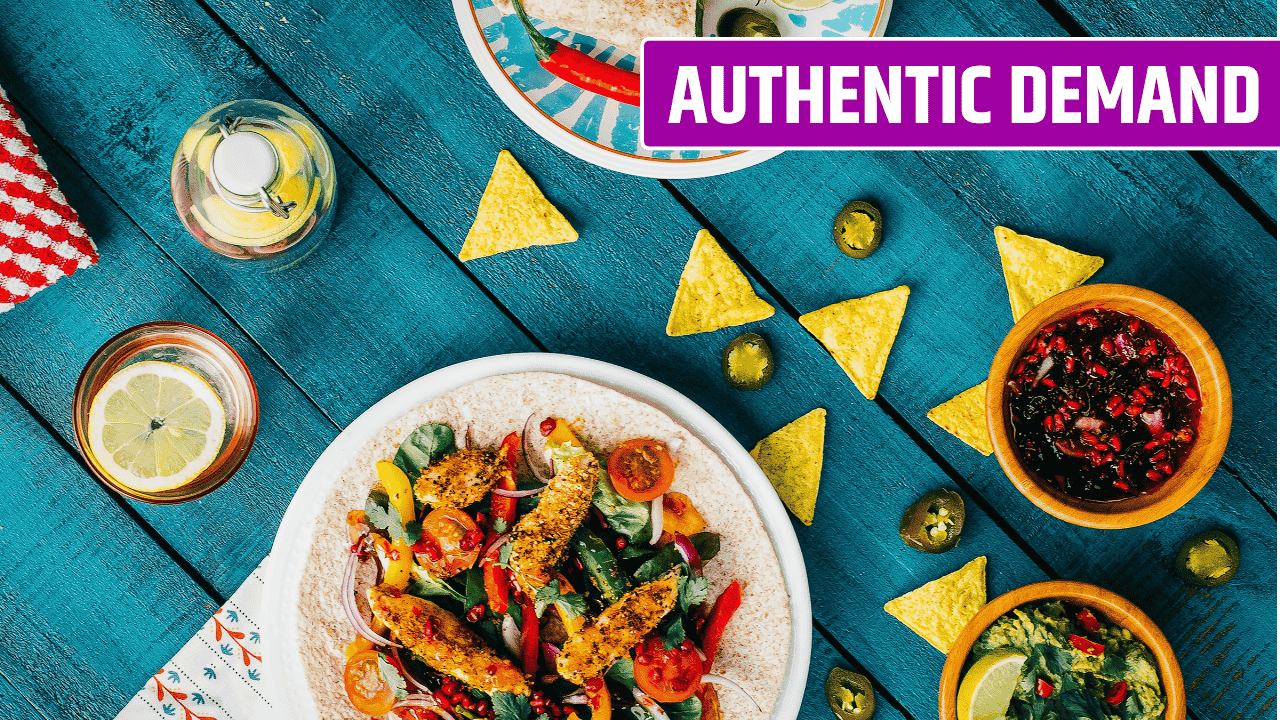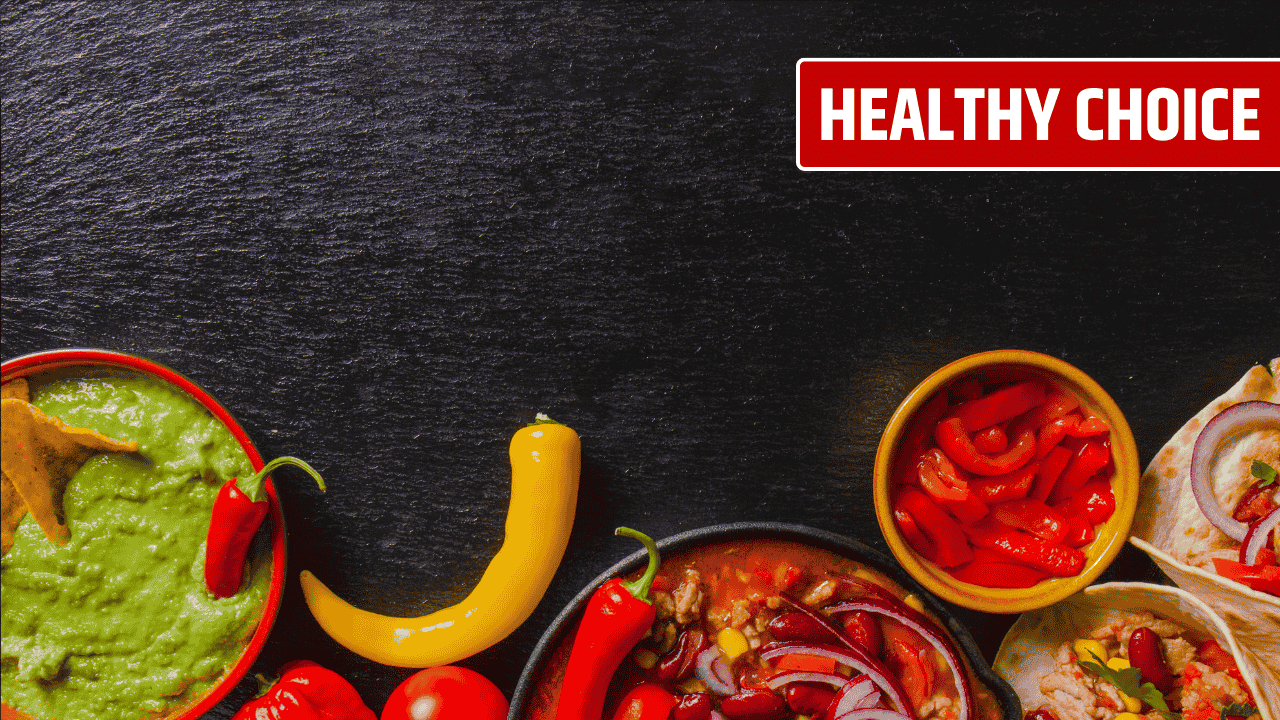
Mexican cuisine, once stereotyped as heavy and indulgent, has undergone a powerful transformation in the eyes of American consumers. Today, it stands as one of the top choices for health-conscious eaters across the United States. From farm-fresh ingredients to naturally balanced meals and vibrant, nutrient-rich flavors, Mexican food offers a harmony of health and satisfaction that few cuisines can match.
The shift isn’t just about taste—it’s about how Mexican food aligns with the values of modern wellness culture: freshness, authenticity, balance, and adaptability. Whether it’s a colorful taco bowl loaded with grilled vegetables or a hand-pressed tortilla made from heirloom corn, Mexican cuisine offers nourishment for both body and spirit.
A Naturally Wholesome Culinary Tradition

At its heart, traditional Mexican cooking is built around whole, minimally processed ingredients. Long before “clean eating” became a buzzword, Mexican cuisine emphasized fresh produce, legumes, whole grains, lean proteins, and herbs.
- Beans provide plant-based protein and fiber.
- Corn (especially nixtamalized corn) serves as a complex carbohydrate that supports digestive health.
- Avocados offer heart-healthy fats.
- Tomatoes, chiles, and citrus are packed with antioxidants and vitamins.
- Lean proteins such as chicken, fish, and grilled meats are staples across regions.
These ingredients, combined in thoughtful, balanced ways, make Mexican dishes naturally nutritious. Even the traditional cooking methods—like grilling, roasting, and steaming—enhance flavor without relying on heavy oils or additives.
The Rise of the “Fresh Mex” Movement
In recent years, a growing segment of the restaurant industry has embraced what’s often called “Fresh Mex”—a lighter, health-driven take on Mexican food that emphasizes quality ingredients and customizable meals.

Fast-casual chains such as Chipotle, Cava, and Qdoba have helped redefine Mexican-inspired eating for modern audiences. Their menus often highlight:
- Whole ingredients (no artificial preservatives or fillers)
- Fresh salsas and guacamole made daily
- Grilled meats and roasted vegetables
- Options to reduce calories (like burrito bowls instead of tortillas)
This approach has made it easy for diners to enjoy flavorful Mexican meals that fit within specific health goals, from high-protein to plant-based diets. It’s not just a trend—it’s a reflection of how adaptable and naturally balanced Mexican cuisine can be.
Plant-Based and Protein-Rich Options
Health-conscious Americans are drawn to cuisines that offer flexibility, and Mexican food delivers that in abundance.
For Plant-Based Eaters:

Mexican dishes feature countless vegetarian and vegan-friendly staples: beans, lentils, nopales (cactus), rice, avocado, and a rainbow of grilled vegetables. Traditional dishes like enchiladas de frijoles, veggie tacos, or chile rellenos easily fit plant-forward diets without feeling restrictive.
For High-Protein Diets:
Those seeking protein can enjoy grilled chicken, shrimp, steak, or fish tacos, often paired with black beans and whole grains. The flavor comes from marinades and spices, not excess fat or sodium.
This versatility has made Mexican cuisine an easy fit for nearly every health-conscious lifestyle—whether keto, vegan, gluten-free, or simply balanced eating.
The Power of Nixtamalized Corn and Ancient Ingredients
One of the healthiest and most culturally significant aspects of Mexican cuisine is nixtamalized corn—corn treated with lime (calcium hydroxide) to enhance nutrition and digestibility. This ancient process, used for centuries by Indigenous peoples of Mexico, boosts calcium content, improves protein availability, and increases vitamin absorption.
Tortillas made from nixtamalized masa are higher in nutrients and easier to digest than typical flour versions. As more chefs and food brands return to this traditional method, it’s reshaping how Americans view “healthy carbs.”
Other ancient ingredients like amaranth, chia, and cacao are also gaining recognition in wellness circles, further linking Mexican culinary traditions to modern superfoods.
Clean Eating and Authentic Cooking Methods
What makes Mexican cuisine stand out among health-conscious eaters is its authentic approach to cooking. Instead of relying on processed sauces or artificial flavorings, flavor is built through layering natural elements—grilled vegetables, roasted chiles, fresh herbs, and citrus.
Common techniques like:
- Grilling (asado) enhances flavor without added fat.
- Steaming (vapor) keeps nutrients intact.
- Sautéing with minimal oil (guisado) maintains freshness.
Even indulgent dishes like tacos and enchiladas can be health-forward when prepared with traditional care and portion balance. This authenticity gives Mexican food a “home-cooked” wholesomeness that resonates with wellness-minded Americans tired of overprocessed fast food.
Emotional Wellness: The Joy of Flavor and Connection
Health-conscious consumers today understand that wellness isn’t just physical—it’s emotional, too. Mexican cuisine brings warmth, color, and community to the dining table.
From sharing tacos with friends to savoring a homemade mole, the act of eating Mexican food connects people to joy, culture, and togetherness. Studies have even shown that meals enjoyed with emotional satisfaction can contribute to better digestion and overall well-being.
This emotional nourishment—combined with the freshness and vibrancy of the cuisine—helps explain why Mexican food feels so fulfilling without being overindulgent.
Mexican Food and the Modern Wellness Market
The wellness industry has taken note. Mexican-inspired brands are rapidly expanding in meal kits, healthy frozen entrees, and organic salsa lines. Grocery shelves now feature clean-label tortillas, low-sodium beans, and fresh guacamole made with minimal ingredients.
Restaurants, meanwhile, are highlighting locally sourced produce, grass-fed meats, and sustainable seafood, aligning Mexican cuisine with modern ethical dining. As a result, Mexican food is no longer viewed as “fast and cheap” but rather fresh, wholesome, and globally relevant.
FAQs
Is Mexican food actually healthy?
Yes. Traditional Mexican cuisine relies on fresh vegetables, beans, lean proteins, and healthy fats—making it naturally nutritious and balanced.
What are the healthiest Mexican dishes?
Grilled fish tacos, chicken fajitas, bean burritos, veggie enchiladas, and fresh ceviche are all excellent choices.
Are tortillas healthy?
Corn tortillas made from nixtamalized masa are nutrient-rich, gluten-free, and lower in calories than most flour tortillas.
Can Mexican food fit into a weight loss plan?
Absolutely. Portion control, grilled proteins, and fresh salsas make it easy to enjoy flavorful meals without excess calories.
Why do health-conscious people love Mexican food?
It combines bold, satisfying flavors with clean, natural ingredients—making healthy eating both exciting and accessible.