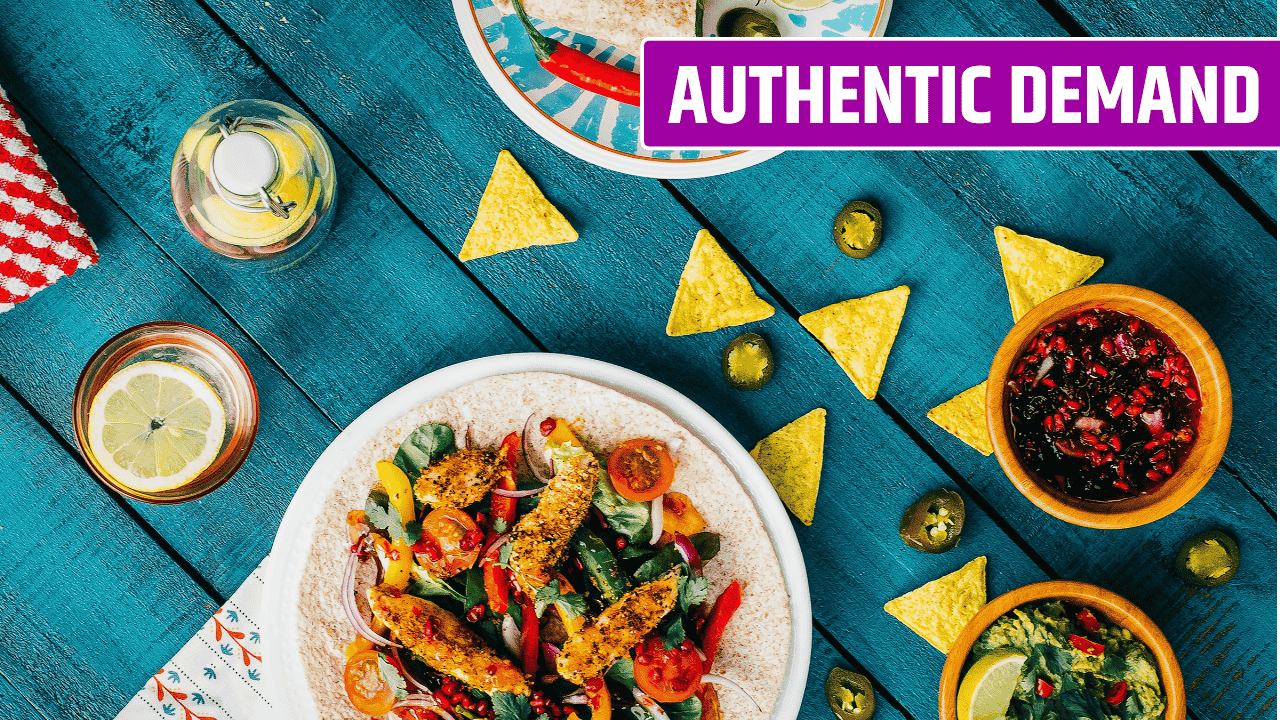
Over the past decade, authentic Mexican cuisine has moved from the fringes of the American food scene to the very heart of urban dining culture. In major cities like Los Angeles, Chicago, New York, Austin, and Miami, demand for real, regional Mexican food has exploded. Diners are increasingly turning away from the Americanized “Tex-Mex” staples of the past—cheese-heavy burritos and fast-food tacos—and embracing dishes that reflect the true depth, diversity, and heritage of Mexico’s culinary traditions.
This movement toward authenticity isn’t just about taste—it’s about connection, culture, and craft. As Americans become more educated and adventurous in their dining choices, they’re seeking experiences that tell a story: one rooted in history, regional identity, and genuine flavor.
A Shift from “Mexican-Inspired” to Authentic

For much of the 20th century, the average American’s experience of Mexican food was limited to Tex-Mex interpretations: hard-shell tacos, nachos, and chili-laden enchiladas. While those dishes remain popular, a new generation of chefs and diners is driving a cultural correction—an embrace of authentic Mexican food that honors traditional recipes, ingredients, and regional techniques.
Today, authenticity means Oaxacan moles, Yucatecan cochinita pibil, Veracruz-style seafood, and handmade tortillas from nixtamalized corn. It means celebrating indigenous ingredients like epazote, huitlacoche, and chapulines, and recognizing the regional diversity that makes Mexican cuisine one of the world’s most complex culinary systems.
In other words, diners no longer want a simplified version of Mexico—they want the real thing.
Urban Food Culture and Culinary Curiosity

American cities have always been melting pots of flavor, and the current fascination with authentic Mexican cuisine reflects broader culinary trends. Modern diners—especially younger ones—are curious, globally minded, and experience-driven. They’re drawn to food that feels real, handcrafted, and connected to cultural roots.
This has fueled a wave of regional Mexican restaurants that combine authenticity with creativity. From Chicago’s Mi Tocaya Antojería to New York’s Casa Enrique and Los Angeles’ Guelaguetza, chefs are sharing the Mexico they know—whether through refined dining or street-style dishes made with traditional methods.
The presence of Mexican immigrant communities in these cities also reinforces authenticity. Their influence ensures that flavors, techniques, and traditions remain genuine, even as they evolve within the urban food landscape.
The Role of Social Media and Cultural Awareness

Social media has been a major catalyst for the spread of authentic Mexican cuisine. Platforms like Instagram and TikTok allow chefs and food lovers to share the beauty and artistry of dishes that were once unfamiliar to mainstream audiences. Colorful moles, freshly made tortillas, and intricately plated tacos not only photograph well but also spark curiosity.
Meanwhile, travel shows and documentaries—such as Chef’s Table: Mexico—have helped educate audiences about the craftsmanship behind traditional Mexican cooking. These media representations have elevated public appreciation for Mexican cuisine as one of the world’s great culinary traditions, rather than a casual comfort food.
As a result, diners are no longer satisfied with generic “Mexican” flavors—they want authenticity, story, and substance.
The Ingredient Revolution: Back to the Source
One of the key drivers of authenticity is the return to traditional ingredients and sourcing methods. Chefs and restaurateurs are going beyond local supermarkets and partnering directly with farmers in both the U.S. and Mexico to import or grow heirloom produce.
For example:
- Heirloom corn varieties are being used to make tortillas through traditional nixtamalization, restoring their rich flavor and nutritional value.
- Artisanal cheeses from Oaxaca or Chiapas are replacing industrial blends.
- Fresh herbs and native spices, like hoja santa and Mexican oregano, are being incorporated for depth and authenticity.
This ingredient-first approach reflects a growing American interest in farm-to-table and sustainability—values that align naturally with authentic Mexican cooking traditions.
Diversity Within Authentic Mexican Cuisine
Another reason for the growing demand is the realization that Mexican cuisine isn’t monolithic—it’s an entire mosaic of regional identities. American diners are beginning to appreciate that the difference between a dish from Oaxaca and one from Baja California is as profound as the difference between Italian and French cuisine.
- Oaxaca is known for its moles, tlayudas, and indigenous flavors.
- Yucatán highlights slow-cooked meats, tropical fruits, and Mayan spices.
- Northern Mexico leans toward grilled meats and flour tortillas.
- Coastal regions like Veracruz and Baja offer fresh seafood and ceviche.
By celebrating this diversity, restaurants are transforming the perception of Mexican food from “casual” to culinary artistry, helping it stand shoulder to shoulder with other global fine-dining traditions.
Authentic Mexican Food in Major U.S. Cities
Los Angeles:
With one of the largest Mexican populations in the country, L.A. has become a global hub for authentic Mexican cuisine. From street tacos in Boyle Heights to fine-dining restaurants like Caldo Verde, the city celebrates the full spectrum of Mexican culinary culture.
New York City:
Once dominated by Tex-Mex, New York now boasts Michelin-starred Mexican restaurants and trendy taquerias that honor tradition. Cosme and Oxomoco have redefined upscale Mexican dining, proving that authenticity and elegance can coexist.
Chicago:
Often called the “second capital of Mexican food,” Chicago’s Mexican dining scene thrives on family-run restaurants and innovative chefs like Rick Bayless, who helped elevate authentic Mexican cuisine to national prominence.
Austin and Houston:
Texas remains the bridge between Mexican and American flavors. Authentic taquerias and Oaxacan kitchens thrive here, reflecting both cross-border influence and local creativity.
Miami:
Known for Latin fusion, Miami has embraced Mexican authenticity in recent years, especially in upscale dining and modern street food concepts.
Across these cities, the message is clear: authentic Mexican food isn’t just a trend—it’s becoming a defining feature of American dining.
Economic and Cultural Impact
The rise in demand for authentic Mexican cuisine has had a ripple effect on the broader restaurant industry. Independent restaurants, Mexican importers, and artisan producers are thriving. Food festivals, mezcal tastings, and Mexican culinary events now attract large, diverse audiences.
Moreover, the movement fosters cultural appreciation and understanding. Authentic restaurants often serve as cultural ambassadors—educating diners about history, regional heritage, and the artistry behind every dish.
This isn’t cultural appropriation—it’s cultural celebration, rooted in respect and storytelling.
FAQs
Why are Americans demanding more authentic Mexican food?
Because diners want genuine cultural experiences, not watered-down versions of international cuisines.
What makes Mexican cuisine “authentic”?
The use of traditional ingredients, regional recipes, and time-honored techniques rooted in Mexican history.
Are authentic Mexican restaurants replacing Tex-Mex?
Not entirely—Tex-Mex remains popular, but authentic Mexican cuisine is rapidly expanding in major cities.
Which cities have the best authentic Mexican food?
Los Angeles, Chicago, New York, Austin, and Houston lead the way, with growing scenes in Miami, Denver, and Portland.
Is authentic Mexican cuisine becoming fine dining?
Yes. Many chefs are elevating traditional dishes with refined presentation while preserving their cultural roots