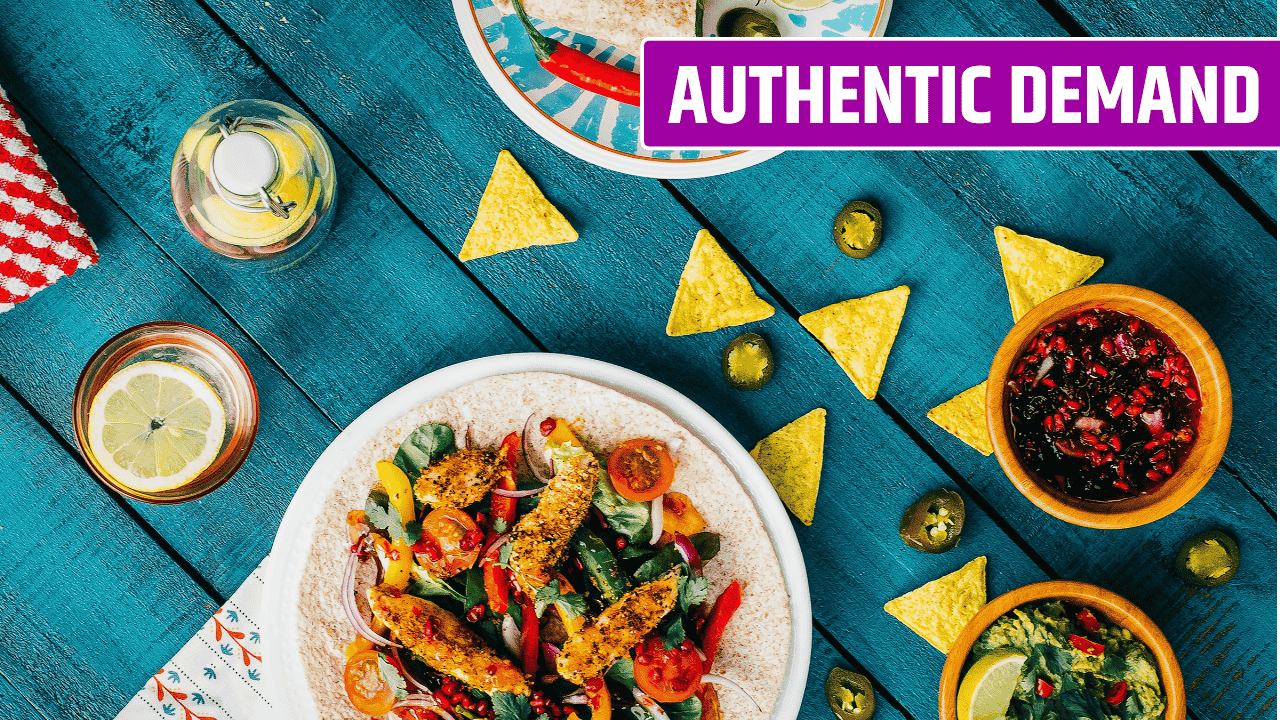
In the last two decades, few culinary movements have shaped the American dining landscape as profoundly as Mexican cuisine. What began as a cultural and regional specialty has evolved into a dominant force in the U.S. fast-casual restaurant industry, setting new standards for flavor, freshness, and customer experience.
From taco stands to billion-dollar burrito chains, Mexican food has not only captured the American palate but also redefined how Americans eat out — fast, fresh, and fully customizable. Its influence reaches far beyond tacos and guacamole; it has transformed the very DNA of the fast-casual model itself.

Let’s explore how Mexican cuisine became the blueprint for success in one of the most competitive segments of the modern restaurant industry.
The Rise of Fast Casual: A Perfect Match for Mexican Cuisine
The fast-casual dining model — positioned between fast food and full-service restaurants — took off in the late 1990s and early 2000s, driven by a growing demand for convenience without sacrificing quality.
Mexican cuisine fit this emerging niche perfectly. Its foundation of fresh ingredients, customizable dishes, and quick preparation aligned seamlessly with the fast-casual ethos. Diners could get wholesome meals served quickly, with bold, satisfying flavors and endless personalization.

Chains like Chipotle, Qdoba, and Moe’s Southwest Grill pioneered this model, using the structure of Mexican dining — burritos, bowls, tacos, and salads — as a framework. These brands showed that fast food didn’t have to mean greasy or processed. Instead, it could mean real food, made fresh, served fast.
Customization: The Mexican Food Advantage
One of the biggest reasons Mexican cuisine has influenced the fast-casual sector is its natural flexibility and modular design.
A single set of core ingredients — tortillas, rice, beans, proteins, salsas, vegetables, and toppings — can produce hundreds of combinations. This makes it easy for customers to customize their meals to fit dietary preferences, portion sizes, and flavor profiles.

This concept of “build-your-own” dining, now standard across fast-casual restaurants of every cuisine, was popularized by Mexican-inspired chains. Whether it’s choosing between a burrito, taco, or bowl, or selecting from a variety of salsas and sides, diners enjoy the sense of control and creativity that Mexican dining naturally encourages.
It’s a model that has inspired countless other restaurants — from poke and Mediterranean bowls to salad chains — all borrowing from the Mexican fast-casual playbook.
Freshness, Flavor, and the “Real Food” Movement
Before Mexican-inspired fast-casual restaurants revolutionized dining, much of American quick-service food was frozen, fried, and formulaic.
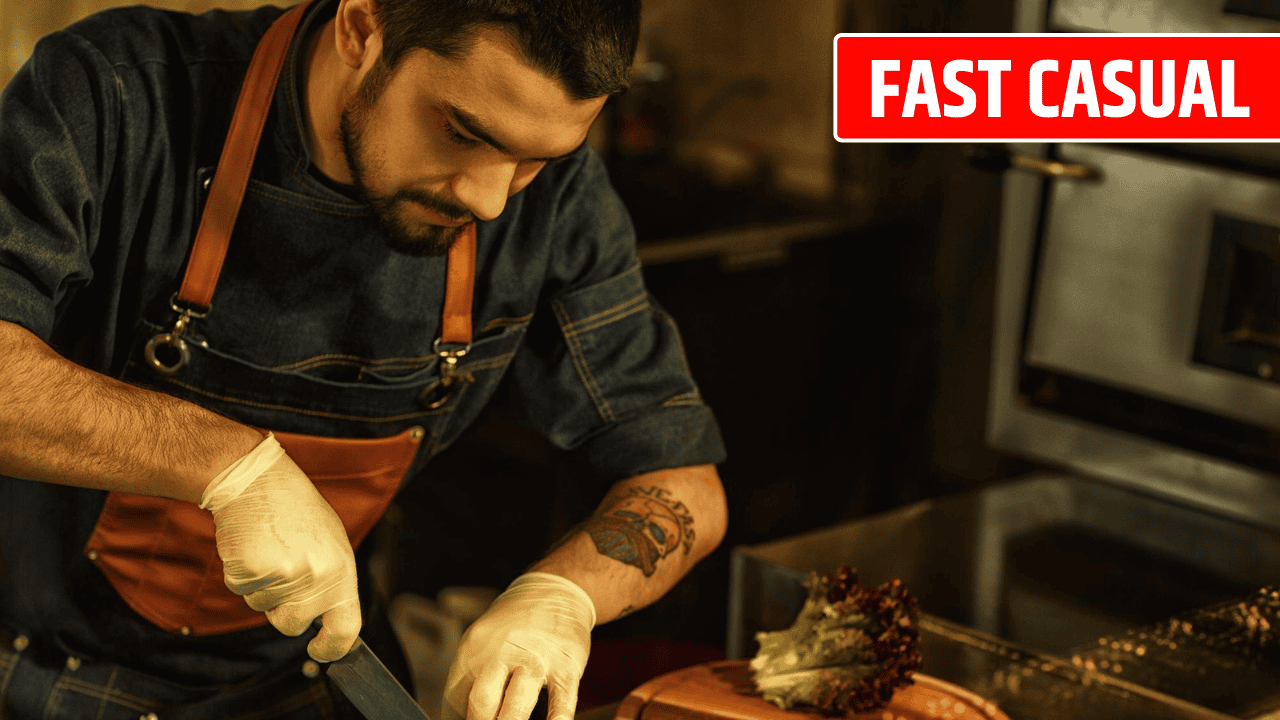
Mexican cuisine changed that narrative by emphasizing freshness, authenticity, and transparency. Restaurants like Chipotle introduced open kitchens where customers could see their food being prepared, reinforcing a sense of trust and connection. Ingredients like cilantro, lime, avocado, and grilled meats became synonymous with vibrancy and health — a refreshing contrast to processed fast food.
This approach also dovetailed with the rise of the “real food” movement, where diners began prioritizing natural ingredients, local sourcing, and ethical production. Mexican cuisine’s emphasis on handmade tortillas, farm-fresh vegetables, and scratch-made salsas aligned perfectly with these values.
In many ways, Mexican-inspired restaurants redefined what “fresh” means in fast food, setting a standard that competitors across all cuisines now strive to meet.
Affordability Meets Quality
Mexican cuisine has long been celebrated for offering high value at an affordable price, a balance that fast-casual operators rely on to stay competitive.
With cost-effective staples like beans, rice, corn, and vegetables, Mexican restaurants can maintain healthy margins without compromising portion sizes or quality. The cuisine’s inherent efficiency — simple preparation methods, overlapping ingredients, and high-volume scalability — allows operators to serve satisfying, hearty meals at accessible prices.
This “value-for-quality” model has become the cornerstone of fast-casual dining. Customers perceive Mexican-inspired fast-casual meals as worth their price, not just because they’re filling, but because they feel fresh, customizable, and guilt-free.
Health-Conscious Dining and Plant-Based Innovation
Mexican cuisine has also played a key role in making healthy eating approachable and mainstream within the fast-casual space.
Unlike many traditional fast foods, Mexican dishes can be easily tailored to meet modern dietary needs — vegetarian, vegan, gluten-free, high-protein, or low-carb. Ingredients like black beans, grilled vegetables, and avocado offer natural nutrition without sacrificing flavor.
As plant-based diets gain traction, Mexican restaurants have led the way in incorporating innovative ingredients such as jackfruit “carnitas”, tofu sofritas, and mushroom tacos. These adaptations show that fast-casual dining can be both ethical and indulgent, broadening appeal to new audiences without alienating traditional customers.
By combining wholesome ingredients with cultural authenticity, Mexican cuisine has helped redefine what “healthy fast food” looks like.
Branding, Experience, and Lifestyle Appeal
Another major impact of Mexican cuisine on the fast-casual industry lies in its vibrant branding and emotional connection.
Mexican restaurants often emphasize color, energy, and joy — traits that resonate with younger generations seeking experiences rather than transactions. Bright interiors, Latin music, open kitchens, and hand-painted murals create an atmosphere of cultural warmth and authenticity.
Brands like Moe’s Southwest Grill and Chipotle have turned dining into a lifestyle choice, aligning their image with social responsibility, sustainability, and individuality. Diners don’t just eat there — they identify with the values those restaurants represent.
This fusion of culture and commerce has inspired the broader fast-casual industry to create brand experiences that feel human, personal, and ethical, mirroring the emotional impact of Mexican hospitality.
The Ripple Effect: Mexican Influence on Other Cuisines
The success of Mexican cuisine in fast casual didn’t just benefit Mexican-inspired brands — it reshaped the entire category.
Concepts serving Mediterranean, Indian, Asian, and even American barbecue now use the same “assembly-line customization” model first popularized by burrito and taco chains. The influence is everywhere:
- CAVA (Mediterranean bowls) uses a nearly identical service model.
- Sweetgreen and Just Salad adopted the same ingredient transparency.
- Even pizza chains like Blaze Pizza mirror the “build-your-own” approach that began with Mexican fast casual.
In other words, the DNA of the fast-casual industry — from its operations to its customer engagement — owes much of its success to the Mexican restaurant model.
Economic Power and Industry Growth
Mexican cuisine’s impact on the fast-casual sector isn’t just cultural — it’s economic.
According to restaurant industry reports, Mexican fast-casual chains consistently rank among the highest-earning concepts in the United States. Chipotle Mexican Grill, for example, has grown into a multibillion-dollar brand with over 3,000 locations and continues to set benchmarks for profitability, technology integration, and menu innovation.
Smaller regional chains and independent taquerias have also thrived, benefiting from the overall rise in demand for Mexican-inspired flavors. The cuisine’s scalability and broad appeal make it a favorite among franchise investors and entrepreneurs alike.
In short, Mexican cuisine doesn’t just influence fast casual — it drives it.
The Future: Authenticity, Technology, and Global Reach
As the fast-casual industry continues to evolve, Mexican cuisine remains at the forefront of innovation.
Restaurants are now combining traditional flavors with cutting-edge technology — digital ordering, delivery apps, and AI-driven kitchens — without losing their human touch. At the same time, a new wave of authentic Mexican chefs is expanding the conversation beyond burritos and bowls, introducing diners to regional dishes like tlayudas, barbacoa, and birria.
Globally, Mexican-inspired fast-casual concepts are opening in Europe, Asia, and the Middle East, adapting flavors while preserving the heart of the cuisine. The next phase of growth lies in authentic regional expression paired with modern convenience — a fusion of old-world craft and new-world efficiency.
FAQs
Why has Mexican cuisine been so successful in fast-casual dining?
Because it naturally aligns with fast-casual values: fresh ingredients, quick preparation, and endless customization.
What are some examples of successful Mexican fast-casual chains?
Chipotle, Qdoba, Moe’s Southwest Grill, Rubio’s Coastal Grill, and Baja Fresh are among the top brands.
How has Mexican food influenced other fast-casual cuisines?
It pioneered the build-your-own model, fresh-prep stations, and ingredient transparency now used across many other cuisines.
Are authentic Mexican restaurants part of the fast-casual trend?
Yes. Many authentic taquerias and regional Mexican eateries have adopted fast-casual service styles to reach wider audiences.
What’s next for Mexican-inspired fast casual?
More regional authenticity, plant-based innovation, sustainability, and global expansion driven by digital convenience.