Mexican cuisine has long been a staple of American dining culture, loved for its bold flavors, colorful presentation, and comforting appeal. Yet in recent years, its influence has surged in a surprising demographic — high-income urban areas. From New York to San Francisco, Chicago to Miami, upscale diners are embracing Mexican food not just as casual comfort fare, but as a refined, cultural, and even luxurious dining experience. This growing popularity reflects a deeper cultural shift in how Americans view authenticity, diversity, and culinary artistry.
From Street Tacos to Fine Dining
Once associated primarily with casual eateries, Mexican cuisine has made a remarkable leap into the fine dining scene. High-income urban areas are now home to Michelin-starred Mexican restaurants, sophisticated mezcal lounges, and tasting menus that highlight regional Mexican ingredients with elegant precision.

Chefs with deep cultural roots — often trained both in Mexico and in world-class culinary institutes — are leading this transformation. They are introducing dishes that go beyond tacos and burritos to showcase the complex diversity of Mexico’s culinary heritage. Dishes such as Oaxacan mole negro, Yucatecan cochinita pibil, Veracruz-style seafood, and Puebla’s chiles en nogada are being reimagined in elevated formats.
For many urban diners, this represents not just a meal, but a cultural experience. These fine-dining establishments are bringing the artistry, history, and storytelling of Mexican cuisine to the forefront, earning critical acclaim and loyal high-end clientele.
The Allure of Authenticity and Cultural Depth
High-income consumers are increasingly seeking authenticity — they want more than just good food; they want meaning behind it. Mexican cuisine offers exactly that. It carries centuries of indigenous tradition, colonial influence, and regional diversity that tell a story in every bite.

In cities like Los Angeles, New York, and Austin, Mexican restaurants that highlight authentic sourcing and traditional preparation methods are drawing enthusiastic crowds. Diners are intrigued by heirloom corn varieties, hand-pressed tortillas, and artisanal ingredients such as huitlacoche, epazote, and mezcal crafted by small producers.
This pursuit of authenticity aligns with broader urban dining trends, where consumers value transparency, sustainability, and cultural respect. It’s no longer about “Mexican-inspired” dishes; it’s about Mexican-rooted culinary expression.
Elevated Ambiance and Experiential Dining
The modern high-end Mexican restaurant offers an experience that goes far beyond the plate. Sleek interior designs, ambient lighting, curated music, and carefully crafted cocktail menus are now essential parts of the urban dining experience.

High-income urban customers seek atmosphere and storytelling — a connection between what they eat and how it’s presented. Restaurants have responded by creating spaces that celebrate Mexican artistry and modern aesthetics, often blending traditional motifs with contemporary design.
Craft cocktail programs also play a key role. Premium tequilas, small-batch mezcals, and innovative margarita variations are redefining perceptions of Mexican beverages. Mixologists use fresh herbs, tropical fruits, and smoky infusions to create drinks that pair seamlessly with complex regional dishes, turning dinner into a multi-sensory event.
Health, Sustainability, and Conscious Consumption
Another factor driving the rise of Mexican cuisine among affluent urban diners is its compatibility with health-conscious and sustainable lifestyles. Many Mexican dishes are naturally balanced — rich in plant-based ingredients, lean proteins, and fresh herbs.
Restaurants in this space emphasize farm-to-table sourcing, organic produce, and sustainable seafood. Some partner with local farms to grow specialty peppers and corn varieties, while others import direct-trade cacao and coffee from small Mexican cooperatives.
This approach resonates deeply with urban professionals who prioritize quality, ethics, and wellness. Vegan and gluten-free versions of traditional dishes are becoming commonplace, demonstrating the adaptability of Mexican cuisine without compromising authenticity.
The Power of Storytelling and Cultural Pride
In the high-income urban market, storytelling sells — and Mexican chefs and restaurateurs are masters of it. Through menus, décor, and social media, they share narratives about family traditions, indigenous cooking methods, and the regions that inspire their food.
This cultural storytelling transforms a dining experience into an emotional connection. Customers aren’t just eating a dish; they’re tasting a heritage. In cities where diners seek meaningful experiences, this personal touch elevates Mexican cuisine beyond novelty into something deeply respected and emotionally resonant.
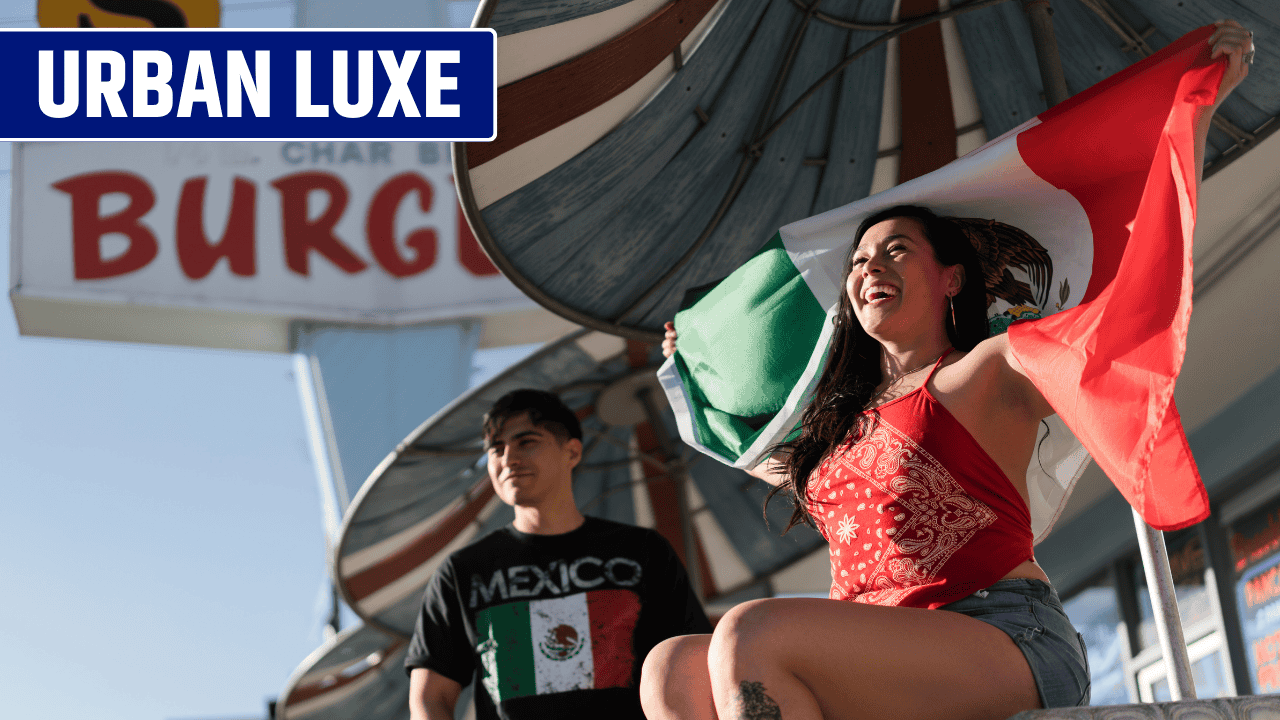
Moreover, second-generation Mexican-American chefs are leading a wave of cultural pride and innovation, blending modern techniques with traditional recipes. Their work reflects a confident reclaiming of heritage — one that resonates strongly in diverse, cosmopolitan cities.
Social Media and Digital Visibility
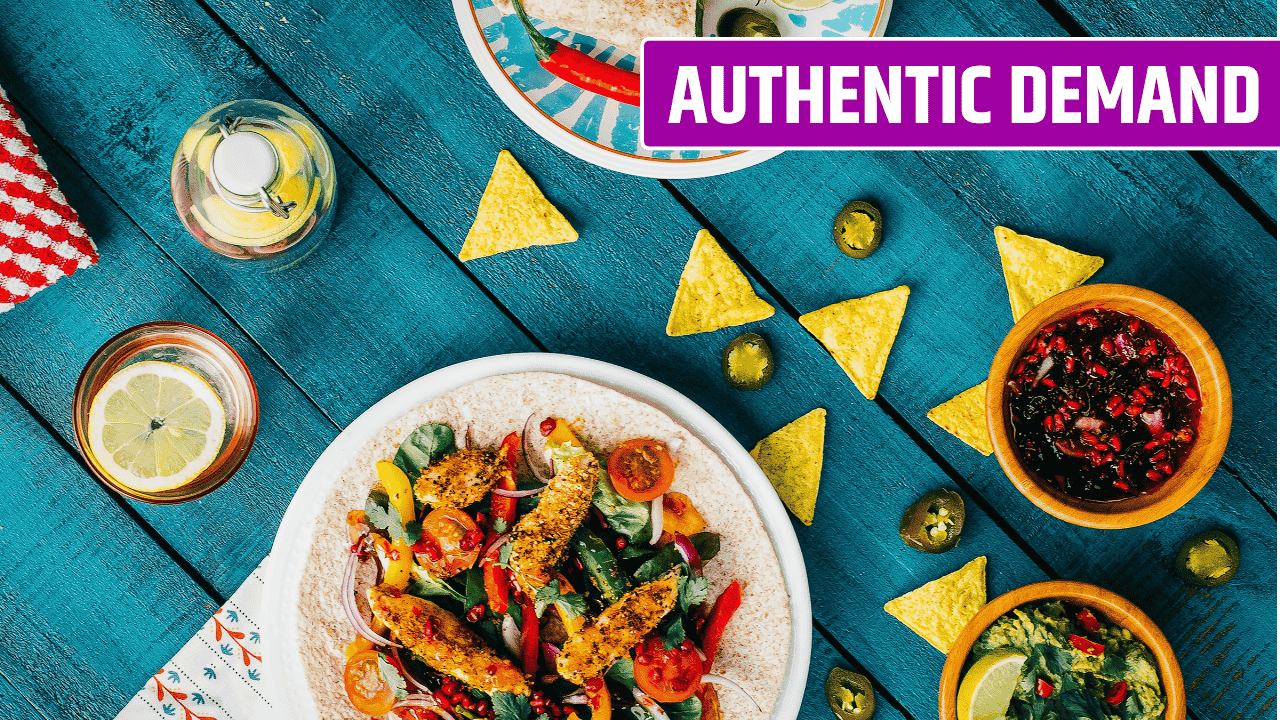
Digital marketing has played a pivotal role in making Mexican cuisine more appealing to high-income urban audiences. Platforms like Instagram and TikTok thrive on visual storytelling — and few cuisines photograph better than Mexican food.
Bright colors, artistic plating, and vibrant cocktails translate beautifully to digital formats. Upscale restaurants leverage this by curating visually cohesive social media feeds that highlight their dishes, cultural roots, and dining ambiance.
Food influencers and local critics amplify this visibility, creating online buzz that often leads to packed reservation books. Some restaurants even offer “tasting experiences” tailored for content creators — a sign of how Mexican cuisine is merging tradition with modern marketing savvy.
Economic and Demographic Shifts
Urban areas are becoming increasingly diverse, with growing Latino populations and multicultural communities influencing local food scenes. As a result, authentic Mexican flavors have found both cultural relevance and commercial opportunity in affluent markets.
High-income consumers, often well-traveled and globally aware, are more open to exploring international cuisines. Mexican food’s combination of deep tradition, creativity, and visual appeal fits perfectly with these evolving dining preferences.
Additionally, the willingness of consumers to spend more for quality, authenticity, and ethical sourcing gives Mexican restaurants in urban centers a profitable niche to thrive in.
FAQs
Why are high-income diners increasingly drawn to Mexican cuisine?
Because it combines authentic cultural storytelling with high-quality ingredients, refined presentations, and immersive dining experiences that appeal to modern urban sensibilities.
How has Mexican food changed in fine dining?
It has evolved from casual fare to sophisticated cuisine, emphasizing regional diversity, artistic plating, and premium ingredients while staying true to its roots.
Are health and sustainability influencing this trend?
Yes. Many upscale Mexican restaurants focus on organic, locally sourced, and plant-based ingredients, aligning with health-conscious dining habits.
How do digital platforms affect the popularity of Mexican food?
Social media amplifies visibility through vibrant visuals, influencer collaborations, and storytelling, helping restaurants attract urban professionals and travelers.
What role do Mexican-American chefs play in this growth?
They are redefining modern Mexican cuisine with cultural pride and innovation, blending traditional flavors with contemporary techniques to captivate global audiences.