Mexican street food — once a local, informal dining tradition — has become a global culinary phenomenon, celebrated in cities from Los Angeles and London to Tokyo and Dubai. What began as humble tacos and tamales served from roadside carts has evolved into a worldwide dining trend that bridges authenticity, creativity, and accessibility.
Today, Mexican street food represents much more than quick bites — it embodies culture, craftsmanship, and community, redefining how people around the world experience casual dining. Its evolution tells a story of tradition meeting modernity, where ancient flavors and techniques are embraced by chefs, entrepreneurs, and food lovers across continents.
From Tradition to Trend: The Roots of Mexican Street Food

To understand the rise of Mexican street food on the global stage, we must first look back at its origins.
Street food has been a vital part of Mexican life for centuries, dating back to pre-Hispanic markets where indigenous people sold tamales, tortillas, and roasted corn. Over time, these foods evolved into the beloved antojitos — “little cravings” — we know today.
Each region of Mexico contributed its own specialties:
- Mexico City: Tacos al pastor, tortas, and tlacoyos.
- Oaxaca: Tlayudas and memelas.
- Puebla: Cemitas and chalupas.
- Yucatán: Salbutes and panuchos.

Street vendors, known as taqueros and cocineras tradicionales, became cultural icons — guardians of recipes passed down through generations. For Mexicans, street food wasn’t just a convenience; it was an expression of everyday life, identity, and community connection.
That same authenticity and warmth would one day become the foundation of its global success.
The Globalization of Flavor
The global spread of Mexican street food began in the late 20th century, as immigration carried both people and flavors across borders. Mexican communities in the United States, particularly in California, Texas, and Illinois, introduced their regional dishes to new audiences.

Taco trucks, once serving primarily immigrant communities, began attracting wider crowds of food enthusiasts drawn to their bold flavors and low prices. By the 2000s, the rise of food truck culture turned street food into a lifestyle trend — informal, experiential, and social-media ready.
Chefs and restaurateurs worldwide started to reinterpret these dishes, introducing elevated versions of tacos, elotes, and quesadillas in modern settings. What had been “street food” was now featured on tasting menus, fusion pop-ups, and global food festivals.
The flavors of Mexico had crossed oceans — and they were here to stay.
Simplicity Meets Sophistication
The magic of Mexican street food lies in its balance of simplicity and complexity. Each dish uses everyday ingredients — corn, beans, chilies, lime, onions — yet layers them into vibrant, satisfying bites bursting with flavor.
This approach resonates with contemporary dining culture, which values bold flavor, fresh ingredients, and authentic craftsmanship over formality. As a result, high-end chefs began exploring how to preserve the essence of street food while elevating it for fine dining.
Restaurants like Cosme in New York and Pujol in Mexico City have showcased street food–inspired dishes like duck carnitas or refined tacos, turning traditional comfort food into culinary art. Even Michelin-starred restaurants now pay homage to the street — proof that Mexican street food has transcended class and geography.
The Rise of the Taco as a Global Icon
No dish represents this evolution better than the taco.
Once a humble worker’s meal, the taco has become a global symbol of flavor, flexibility, and creativity. Food trucks, gastropubs, and upscale taquerias around the world have reinvented it — using ingredients like duck confit, tempura shrimp, or Korean bulgogi, while still honoring traditional techniques like nixtamalized corn tortillas.
The taco’s success lies in its universal adaptability. It’s handheld, shareable, and infinitely customizable — a format that works as well in street markets as in five-star hotels. It also reflects the inclusive, communal spirit of Mexican dining: food that brings people together without pretense.
This universality has made the taco not just a dish, but a cultural movement.
Street Food Meets the Fast-Casual Revolution
Mexican street food has also been a driving force behind the rise of the fast-casual dining model, which bridges the gap between fast food and full-service restaurants.
Chains like Chipotle, Dos Toros, and Baja Fresh built their entire business models on the street food ethos — fresh ingredients, customizable meals, and a sense of authenticity. This formula has redefined what “quick dining” means, inspiring countless other cuisines to follow suit.
Street food’s efficiency, flavor, and affordability made it a natural fit for modern urban lifestyles, where people seek quality and experience without long waits or high prices.
This business-friendly aspect has made Mexican-inspired concepts some of the most profitable and scalable restaurant models worldwide.
Influence on Culinary Innovation and Fusion
As Mexican street food went global, it sparked an explosion of culinary innovation and fusion.
Chefs from Tokyo to Paris began experimenting with tacos, salsas, and masa-based dishes — blending Mexican techniques with local ingredients. The results were creative crossovers like:
- Korean BBQ tacos in Los Angeles.
- Sushi tacos in Japan.
- Duck carnitas bao buns in London.
These fusion dishes not only introduced Mexican flavors to new audiences but also celebrated cultural collaboration and creativity. Street food’s openness and adaptability made it a platform for global culinary dialogue, where tradition and experimentation coexist.
The Role of Social Media and Pop Culture
The globalization of Mexican street food has also been propelled by social media and pop culture.
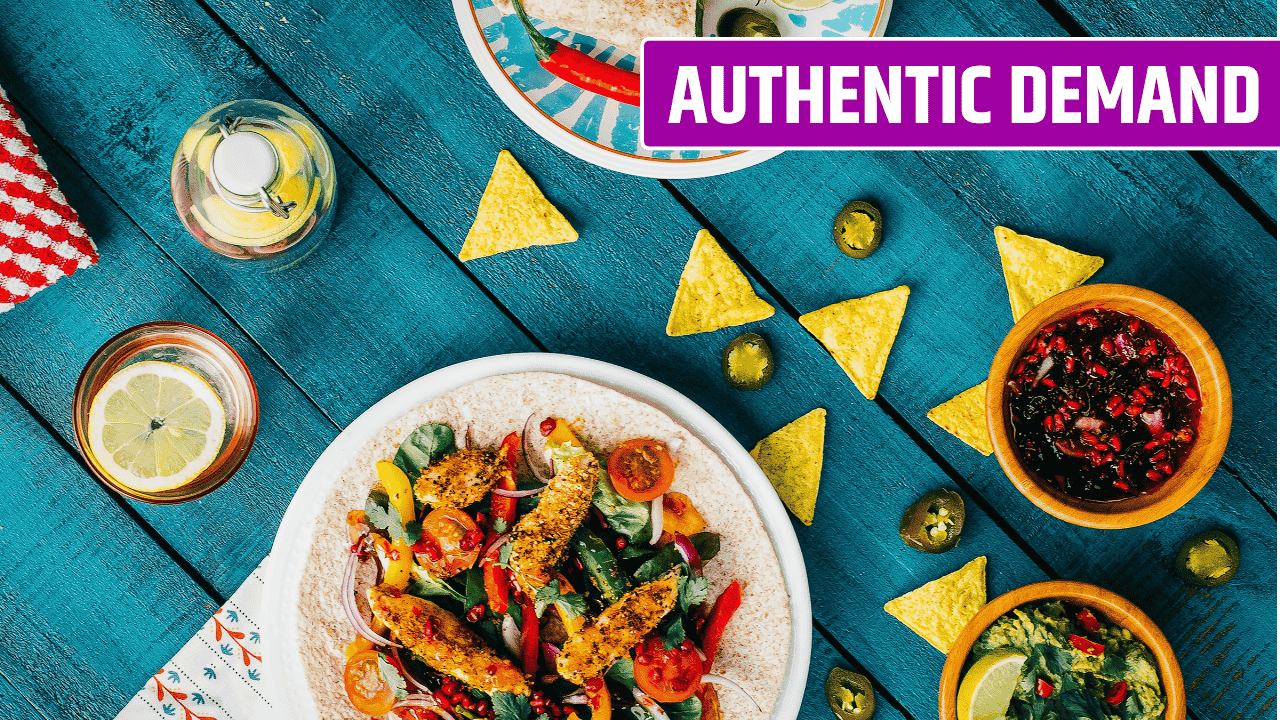
Images of colorful tacos, dripping elotes, and vibrant salsa bars dominate Instagram and TikTok. The visual appeal of these dishes — their color, texture, and casual charm — makes them perfect for sharing online.
Food shows like Street Food: Latin America on Netflix have amplified the artistry of street vendors, humanizing their stories and highlighting the skill behind every handmade tortilla or sizzling griddle.
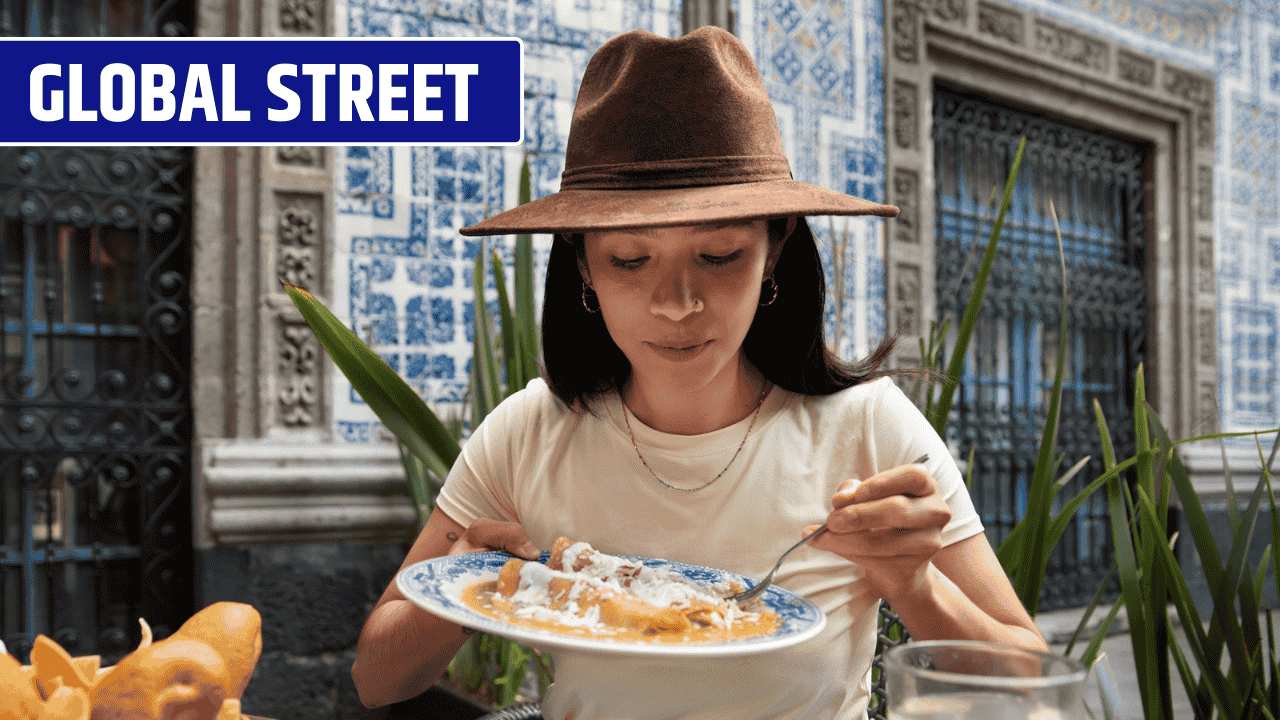
This exposure has elevated Mexican street food from casual eats to cultural storytelling, inspiring travelers and food lovers to seek out authentic experiences in Mexico and beyond.
Economic and Cultural Impact
The rise of Mexican street food as a global dining trend has had profound economic and cultural effects.
In Mexico, it has led to the preservation of traditional cooking techniques and created opportunities for small-scale vendors to reach international audiences. Many taqueros and cocineras tradicionales have gained recognition, transforming local food scenes and tourism economies.
Globally, it has inspired restaurant entrepreneurs and chefs to build thriving businesses based on accessibility, authenticity, and community connection. The “street food spirit” — casual, creative, and social — is now a cornerstone of global culinary culture.
The Future: Street Food as a Way of Life
As global dining continues to evolve, Mexican street food’s influence shows no sign of slowing down.
The next chapter is about sustainability, heritage, and innovation. Chefs are embracing local sourcing, plant-based adaptations, and traditional preparation methods like nixtamalization to bring even greater depth to their menus.
Food festivals, pop-ups, and international collaborations continue to celebrate street food’s vibrancy. And with its mix of authenticity, affordability, and joy, Mexican cuisine remains perfectly positioned to lead the next wave of global casual dining.
In many ways, the world hasn’t just adopted Mexican street food — it has adopted the values behind it: community, creativity, and connection through flavor.
FAQs
Why has Mexican street food become so popular worldwide?
Because it combines bold flavors, affordability, and cultural authenticity with modern adaptability.
Which dishes define Mexican street food globally?
Tacos, elotes, tamales, quesadillas, tortas, and tostadas are among the most iconic.
How has street food influenced restaurant trends?
It inspired the fast-casual dining movement and elevated casual, experience-driven eating globally.
Is Mexican street food the same everywhere?
No — chefs around the world reinterpret traditional dishes while preserving their Mexican roots.
What’s next for Mexican street food globally?
A focus on sustainability, regional diversity, and cultural storytelling through food.