Mexican cuisine has become one of the most beloved and influential food traditions in the United States, moving far beyond taco trucks and casual dining into high-end kitchens, cultural celebrations, and everyday American life. But as tastes evolve, demographics shift, and culinary creativity expands, industry experts see Mexican food adapting in exciting and transformative ways. From deeper appreciation of regional authenticity to innovative fusion trends and sustainability efforts, the future of Mexican cuisine in the U.S. reflects both its deep roots and its dynamic evolution.
Growing Appreciation for Regional Authenticity
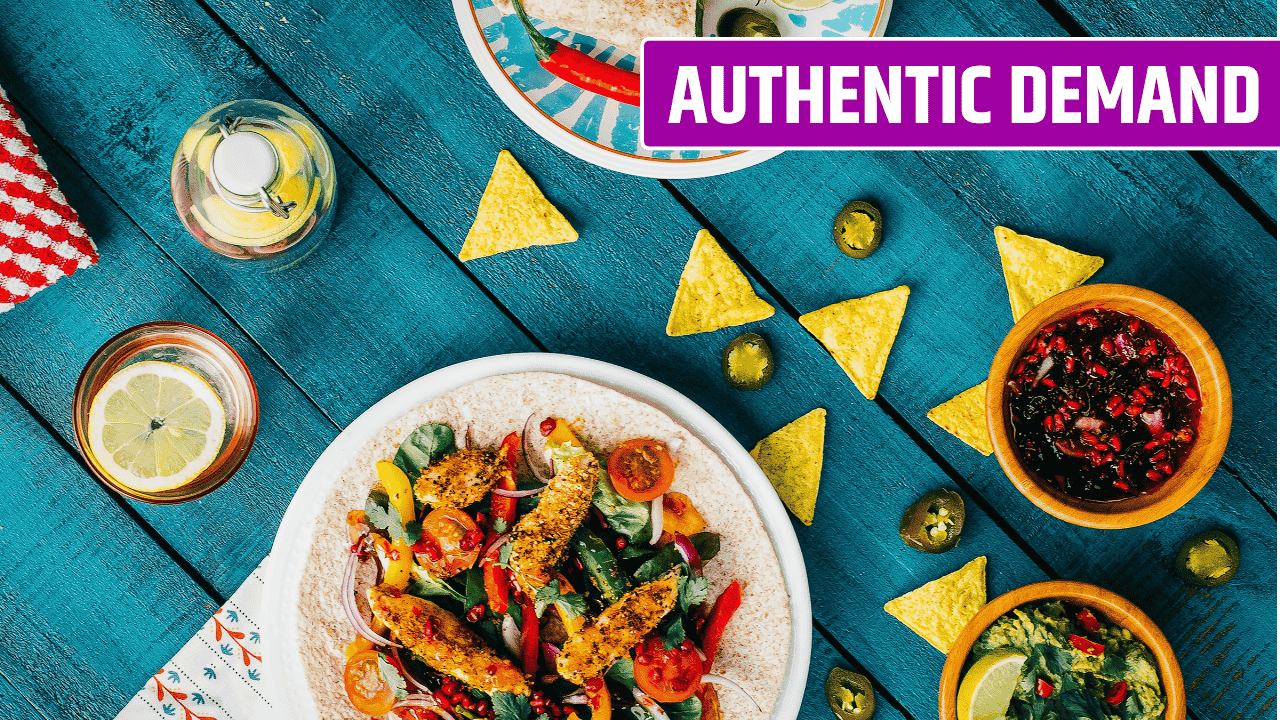
One of the strongest trends experts point to is a shift away from overly generalized versions of “Mexican food” toward a more nuanced appreciation of the country’s diverse regional cuisines. Historically, U.S. Mexican dining often emphasized Tex-Mex and Americanized styles, featuring familiar staples like nachos, burritos, and chimichangas. While these dishes remain popular, chefs and food writers alike emphasize that diners increasingly want authenticity — not just in ingredients but in origin stories.

Industry leaders predict that dishes rooted in Oaxacan, Yucatecan, Pueblan, and Veracruzano traditions will become more visible and celebrated. Mole varieties, indigenous techniques like nixtamalization (for making masa), and lesser-known regional specialties are gaining platforms in restaurants, food festivals, and media. As a result, diners are becoming more educated and adventurous, seeking flavors that reflect Mexico’s immense culinary variety rather than a simplified stereotype.
Elevation of Mexican Cuisine in Fine Dining
Mexican cuisine’s rise in fine dining circles is another defining trend. Prestige restaurants across major U.S. cities — including New York, Los Angeles, Chicago, and Austin — are highlighting Mexican culinary excellence in spaces that challenge outdated notions of what Mexican food can be.
Experts note that this movement isn’t just about upscale interpretations of tacos or margaritas; it’s about respectful reinvention. Culinaria Media and food critics alike emphasize collaborations with chefs who have deep cultural ties to the dishes they present. These chefs are embracing farm-to-table sourcing, seasonal menus, and refined techniques to create experiences that honor tradition while pushing gastronomic boundaries.

As a result, Michelin and James Beard-recognized establishments are increasingly featuring Mexican-inspired tasting menus, elevating ingredients like huitlacoche, huitlacoche, escamoles, and heirloom corn varieties alongside innovative presentations that emphasize balance, texture, and storytelling.
Fusion and Cross-Cultural Innovation
Food trends rarely exist in isolation, and Mexican cuisine in the U.S. continues to blend creatively with other global flavors. Fusion — once a buzzword — is now a space of serious exploration. Chefs across the country are combining Mexican culinary foundations with Korean, Japanese, Mediterranean, and Caribbean influences, resulting in hybrid dishes that honor both sources.
Examples include kimchi enchiladas, birria ramen, and mole-inspired sauces paired with unexpected proteins. Industry insiders say that this trend isn’t about diluting Mexican identity; rather, it’s about celebrating the adaptability and richness of its core techniques and ingredients. The result: food that feels both familiar and surprising, satisfying adventurous palates while honoring tradition.
Plant-Forward and Sustainable Practices

As consumers become more conscious of health, sustainability, and ethical sourcing, Mexican cuisine is also adapting in ways that reflect these values. Many Mexican staples — beans, squash, corn, chiles — are naturally plant-based, and chefs are leaning into this foundation to create menus that are both nutritious and environmentally responsible.
Industry experts see a rise in vegetarian and vegan Mexican cuisine that doesn’t compromise flavor or authenticity. Think jackfruit carnitas, chickpea-based al pastor, and dairy-free versions of classics like flan and tres leches.
Beyond plant-forward menus, sustainability initiatives are reshaping how Mexican restaurants operate. Indigenous farming practices, local sourcing of chiles and herbs, reducing food waste, and ethically raised meats are all factors that progressive kitchens are incorporating. These shifts align with broader global culinary trends while keeping Mexican flavors central.
Technology, Delivery, and the Digital Dining Experience
The pandemic accelerated the adoption of digital tools in the restaurant industry, and Mexican cuisine has been at the forefront of creative adaptation. From sophisticated delivery platforms to virtual kitchens and mobile apps that celebrate Mexican food culture, technology is reshaping how people experience these dishes.
Experts predict more restaurants will use data analytics, online community engagement, and app-based loyalty programs to tailor menus and reach their audiences. Virtual cooking classes, digital celebrations of regional Mexican holidays, and collaborations with food influencers are helping to broaden awareness and understanding of Mexican culinary traditions across generations.
Preserving Tradition Through Education
Despite all the innovation, many industry voices emphasize that the future of Mexican cuisine depends on preserving traditional knowledge and honoring its cultural roots. Culinary schools, nonprofit organizations, and community programs are working to educate both professionals and food lovers about the history and techniques behind Mexican food.
Workshops on masa making, chile cultivation, and indigenous cooking methods not only preserve heritage but also promote respect for cultural origins. Experts see this educational focus as vital; when diners understand the story and context of a dish, appreciation deepens and cultural exchange becomes more meaningful rather than superficial.
The Influence of Demographics
Demographic shifts in the United States are also shaping the future of Mexican cuisine. With a growing Hispanic population and an increasing number of Mexican-American chefs and restaurateurs, culinary leadership is becoming more representative. These voices bring authenticity and innovation rooted in lived experience — not just culinary theory.
Market researchers and food industry analysts predict that this demographic influence will drive demand for Mexican cuisine that balances tradition with innovation, resulting in broader representation across food media, product development, and the national culinary conversation.
FAQs
What makes Mexican cuisine in the U.S. different from its traditional form in Mexico?
Mexican cuisine in the U.S. has historically leaned on popularized staples like Tex-Mex and Americanized versions of traditional dishes. However, today’s trends emphasize authentic regional recipes, indigenous ingredients, and techniques that reflect Mexico’s rich culinary diversity.
Will Mexican fine dining continue to grow in popularity?
Yes. Experts believe that Mexican fine dining will continue to grow as chefs incorporate authentic regional ingredients and elevate traditional preparations into high-end, thoughtful culinary experiences.
How is plant-based cooking influencing Mexican food?
Plant-based cooking aligns well with many traditional Mexican ingredients like beans, squash, and corn. Chefs are creating vegetarian and vegan versions of classic dishes using innovative alternatives such as jackfruit and plant milks.
Are fusion dishes here to stay?
Fusion continues to be popular as global influences intersect. While not replacing traditional forms, fusion dishes celebrate creativity and offer new flavor profiles that appeal to adventurous diners.
How important is culinary education for the future of Mexican cuisine?
Culinary education is vital. Preserving traditional methods, teaching cultural context, and sharing knowledge helps ensure authenticity and respect for origins even as cuisine evolves.