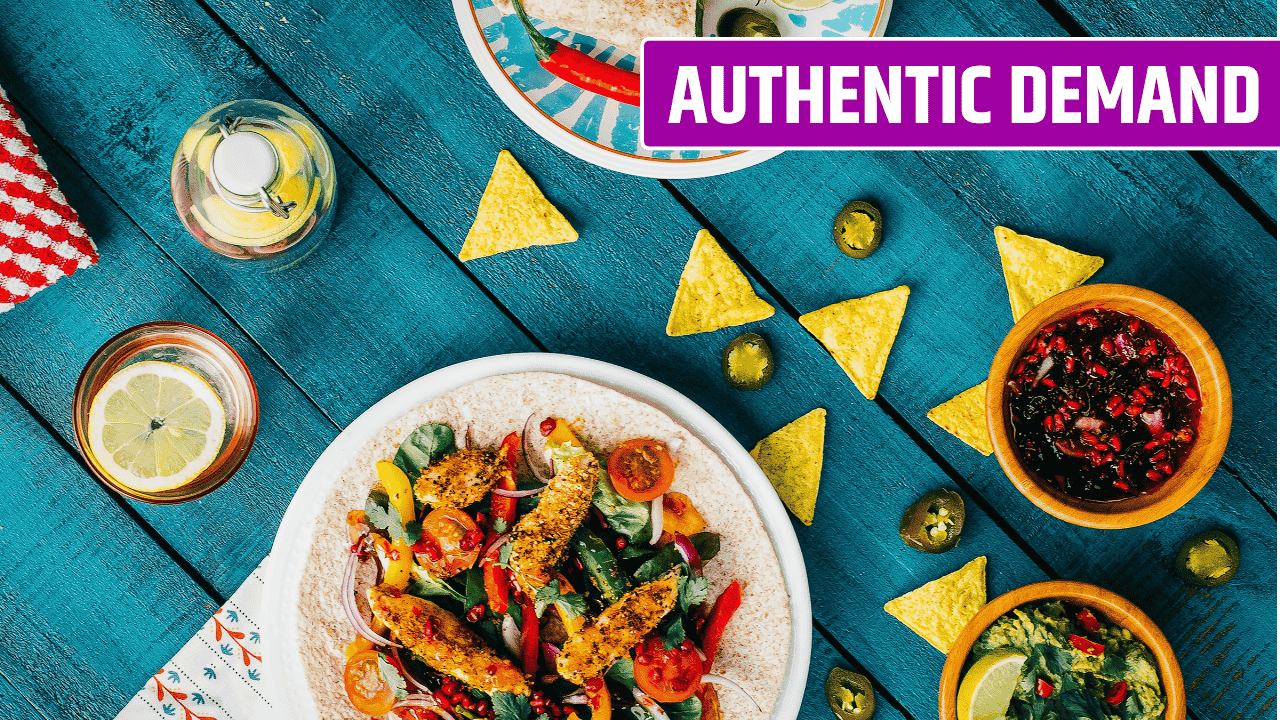
Mexican cuisine has firmly established itself as one of the most beloved and influential food cultures in the United States. From fast-casual taquerias to upscale dining establishments, authentic Mexican flavors are no longer niche—they’re reshaping the American dining landscape. What was once seen as simple “Tex-Mex” fare has evolved into a deeper appreciation for regional specialties, artisanal techniques, and bold, vibrant tastes. In cities large and small, chefs and restaurateurs are bringing traditional Mexican ingredients—and the stories behind them—to the forefront of food culture, winning both critical acclaim and widespread consumer love.
The Roots of Authentic Mexican Cuisine
Mexican food is far more diverse than most people realize. While popular dishes like tacos and burritos have become mainstream staples, the cuisine actually encompasses a rich patchwork of regional traditions—each with its unique ingredients, cooking styles, and cultural significance. From the moles of Oaxaca to the seafood of Baja California and the barbacoa of Hidalgo, authentic Mexican dishes reflect centuries of Indigenous, Spanish, and Afro-Mexican influences.

American diners are increasingly seeking out these nuanced, regional foods rather than generalized “Mexican-style” dishes. This shift in taste has encouraged chefs to dig deeper into traditional recipes, heirloom ingredients (like huitlacoche and hoja santa), and time-honored techniques such as nixtamalization for corn.
Changing Tastes and Culinary Curiosity
Over the past decade, American consumers have grown more adventurous and informed about global cuisines. Social media, food documentaries, travel shows, and an influx of authentic restaurants have helped broaden mainstream awareness of what Mexican food truly is. Diners are no longer satisfied with repetitive, predictable menus; they want stories, depth, and cultural authenticity.
This foodie curiosity has directly contributed to the rise of Mexican restaurants offering real regional experiences. Rather than just a “taco joint,” many places now deliver chef-driven Oaxacan tasting menus or Yucatecan slow-cooked specialties. Diners are paying premium prices for genuine flavor profiles, and critics are rewarding these efforts with accolades, further elevating Mexican cuisine’s visibility.
Accessibility Meets Innovation

Part of the success story lies in balance—authenticity combined with accessibility. While some restaurants focus on high-end dining experiences, others have taken traditional Mexican food and reinterpreted it in ways that fit the American dining scene: fast casual but high quality, local ingredients with seasonal twists, creative fusion that still honors tradition.
Chains like Taco Bell and fast-casual brands may have introduced many Americans to tacos and burritos, but today’s market favors establishments that prioritize fresh, artisanal ingredients and transparency about sourcing. Simultaneously, chefs are not afraid to innovate—pairing traditional recipes with contemporary presentation or local produce—without stripping dishes of their cultural roots.
Embracing Tradition: Ingredients and Techniques
A major reason for the success of Mexican restaurants in the U.S. is the embrace of heritage ingredients and authentic techniques:
- Corn in all forms – From hand-made tortillas to tamales and gorditas, corn remains central to Mexican food. Nixtamalized corn delivers richer flavor and nutrition, connecting modern diners to ancient culinary traditions.
- Chiles and salsas – The complex spice profiles of Mexican chiles (such as ancho, guajillo, pasilla, and chipotle) have captivated American palates. Salsas range from bright and fresh to smoky and fermented, adding layers of flavor unmatched by typical American condiments.
- Mole mastery – Mole sauces, especially from Oaxaca, are intricate blends of chiles, spices, nuts, seeds, and sometimes chocolate. Their rising popularity symbolizes a broader appreciation for depth and craftsmanship in Mexican cooking.
- Slow-cooked meats – Techniques like barbacoa, cochinita pibil, and carnitas offer rich, tender meats that differ greatly from standard grilled proteins, encouraging diners to explore beyond burgers and steaks.

Chefs who prioritize these traditions not only elevate the dining experience but also educate diners about the history and cultural significance behind each dish.
Representation and Cultural Pride
The success of Mexican restaurants is also tied to cultural representation. Many restaurateurs are Mexican Americans or immigrants who intentionally share their heritage through food. Their authenticity resonates with diners who seek genuine cultural expression. In many cities, Mexican food has become a source of community pride, drawing diverse crowds eager to support local entrepreneurs and experience real traditions.
Authenticity isn’t just about recipes—it’s about preserving and celebrating culture. This resonates deeply in a time when consumers value storytelling, heritage, and connection.
The Business Case: Demand Meets Growth
From a market perspective, Mexican restaurants are thriving because they meet several key trends:
- Value and variety – Whether it’s affordable street-style tacos or premium Oaxacan feasts, Mexican cuisine offers flexibility in price and experience.
- Healthier perceptions – Fresh salsas, grilled proteins, vegetables, and corn-based dishes often feel lighter and healthier compared to heavy fast food, appealing to wellness-oriented diners.
- Global influence – As global flavors become more mainstream, Mexican food holds a sweet spot of familiarity and novelty. Tacos are universally loved, yet increasingly complex in flavor.
- Appeal across demographics – Mexican cuisine attracts families, foodies, millennials, and culture seekers alike.
Restaurant industry reports also show that Mexican food consistently ranks among the fastest-growing segments in the U.S.—a testament to sustained consumer demand.
Challenges and Future Directions
While the Mexican dining boom shows no signs of slowing, challenges remain. There’s an ongoing conversation about cultural appropriation versus appreciation, particularly when non-Mexican operators replicate traditional dishes without acknowledging their roots. Authenticity matters not only for quality but for ethical representation.
Looking ahead, we can expect even more diversity in Mexican food offerings—possibly higher demand for regional tasting menus, greater use of indigenous ingredients like amaranth and cactus, and continued innovation in cooking methods.
FAQs
Why are Mexican restaurants so popular in the U.S.?
Mexican food combines bold flavors, cultural richness, accessibility, and variety. Its regional diversity and adaptability to different dining formats make it universally appealing.
What makes Mexican cuisine authentic?
Authenticity comes from traditional ingredients (like nixtamalized corn and regional chiles), time-honored techniques, and the cultural stories behind each dish.
How have American tastes changed to embrace Mexican food?
Consumers today are more adventurous and informed, seeking depth, freshness, and cultural authenticity—traits that Mexican cuisine delivers.
Are there regional Mexican foods most Americans haven’t tried yet?
Yes—many regional dishes like Oaxacan tlayudas, Yucatecan cochinita pibil, and Sonoran hot dogs are still emerging in mainstream America.
Is Mexican fusion cuisine respectful of tradition?
Fusion can be respectful when it honors the core elements and cultural context of Mexican dishes while offering creative reinterpretations.