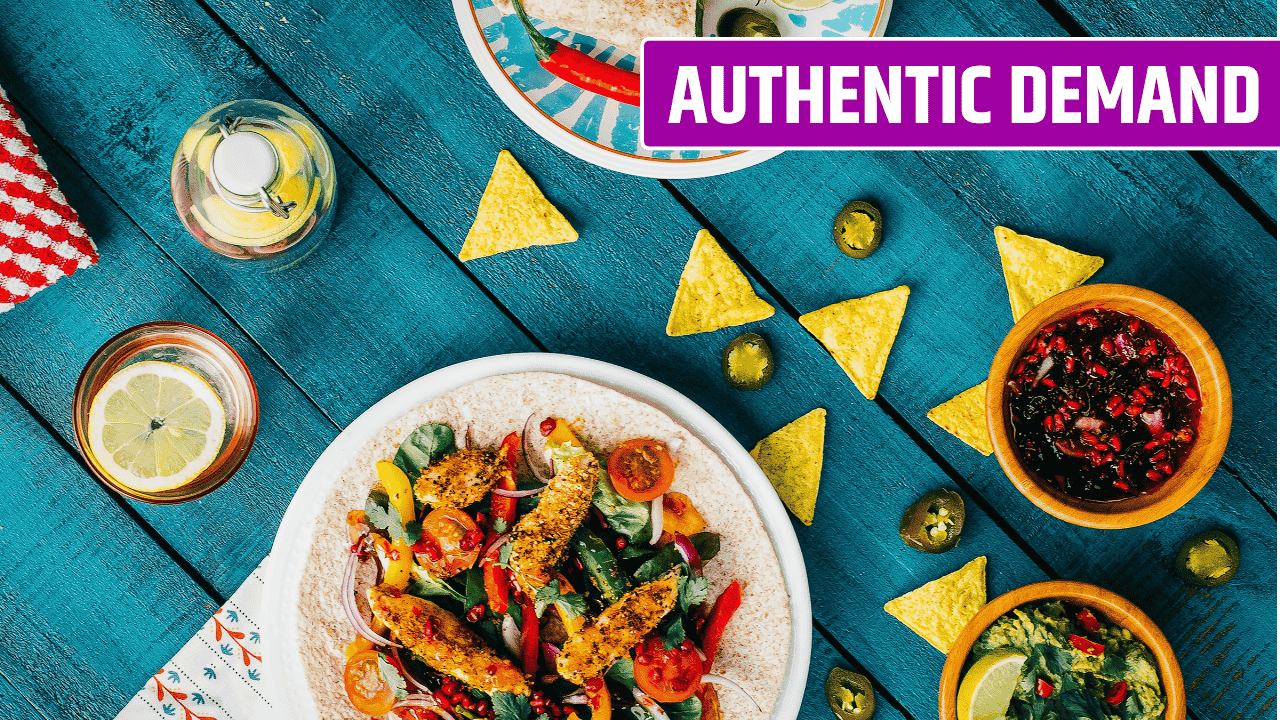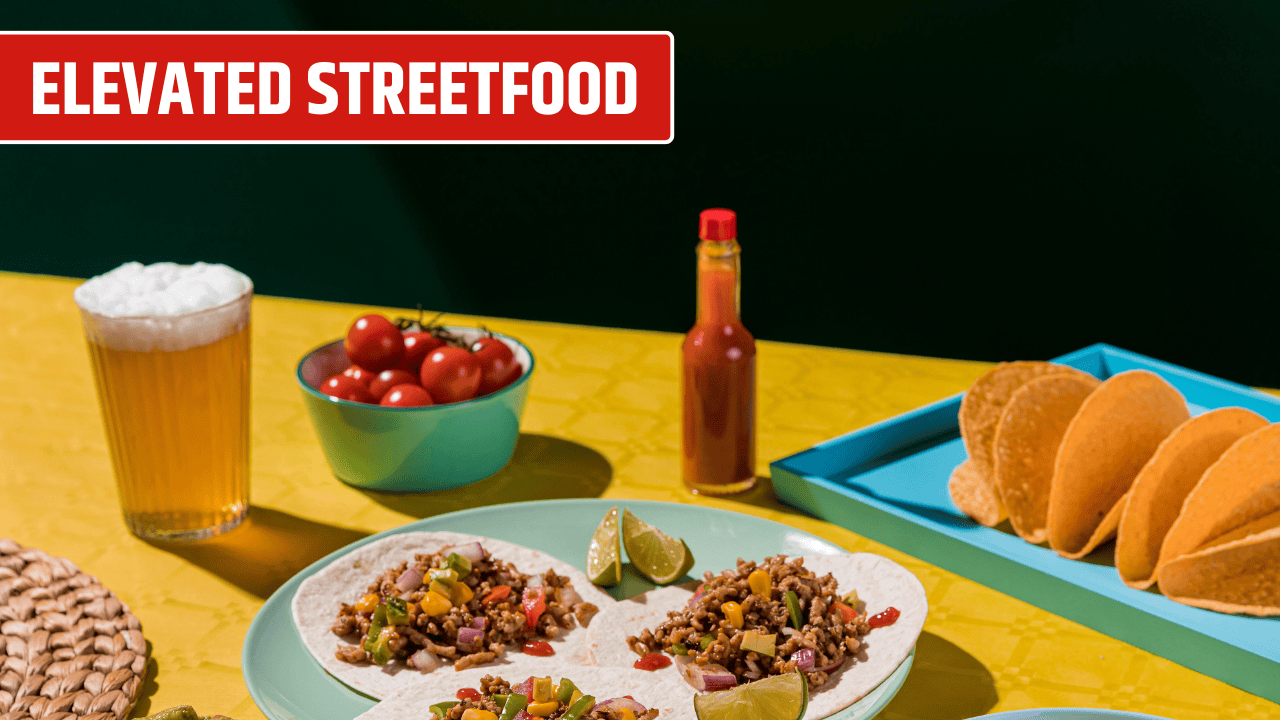
Mexican cuisine has long been celebrated for its vibrant flavors, rich traditions, and deep cultural roots. But in recent years, something remarkable has happened: dishes once found on bustling Mexican streets—like tacos, elotes, and tamales—have made their way into elegant dining rooms and upscale restaurants across the United States. This transformation marks a culinary revolution, where street food meets sophistication, and Mexican restaurants are at the forefront of redefining what “premium dining” means.
The evolution of Mexican street food from casual eats to gourmet experiences reflects a broader appreciation for authenticity, craftsmanship, and the stories behind each dish. Chefs are now elevating humble recipes into culinary art forms, proving that simplicity and depth of flavor can coexist beautifully on a fine-dining plate.
From Streets to Suites: The Evolution of Mexican Dining

Street food has always been at the heart of Mexican culture. Vendors across Mexico serve an incredible variety of snacks and meals that showcase the country’s regional diversity—from spicy tacos al pastor to comforting tamales oaxaqueños and grilled elotes con chile y limón. Traditionally, these dishes were meant to be quick, affordable, and flavorful—a true expression of the people.
Now, high-end Mexican restaurants are reimagining these same dishes for refined settings. The essence remains, but the execution, presentation, and sourcing have evolved. Chefs use heirloom corn for tortillas, organic meats for fillings, and artful plating to transform what was once casual food into a sophisticated experience.
The goal isn’t to change the soul of the dish but to honor its roots while elevating its form. This approach invites diners to appreciate Mexican street food as more than comfort food—it’s a reflection of history, heritage, and exceptional culinary technique.
The Chef’s Revolution: Authenticity Meets Innovation

A new generation of Mexican and Mexican American chefs is leading this transformation. They’re bringing traditional techniques into the world of fine dining, combining innovation with authenticity. These chefs aren’t just replicating street food; they’re studying its origins, regional nuances, and the ingredients that make each bite unique.
Chefs like Enrique Olvera (of Pujol in Mexico City and Cosme in New York) have shown the world that Mexican cuisine belongs on the global gourmet stage. Dishes like the reinvented taco or the aged mole demonstrate how flavors born on the streets can be elevated through meticulous craftsmanship and modern culinary artistry.
Even the way ingredients are handled has changed. Corn, for example, undergoes the ancient process of nixtamalization to create tortillas with rich flavor and texture. Chiles are roasted and blended in-house, salsas are made from scratch, and meats are marinated in traditional spices. Every element is treated with respect, turning street staples into refined expressions of culture and creativity.
Presentation and Ambiance: The Fine Dining Transformation

What truly sets premium Mexican dining apart is the presentation and environment. While street food is enjoyed amid lively crowds and open-air vendors, upscale Mexican restaurants recreate that energy in a more curated way.
Tables are set with handwoven textiles, artisanal ceramic plates, and candlelit ambiance that echoes Mexican artistry. Instead of eating a taco on the go, diners experience it as a centerpiece—perhaps plated with microgreens, a drizzle of smoky salsa, and paired with a small-batch mezcal.
The aesthetics amplify the cultural pride behind each dish. It’s not about making street food “fancy,” but about reframing it as art—a culinary narrative deserving of attention, respect, and celebration.
The Power of Ingredients: From Local Markets to Luxury Menus
The transformation of Mexican street food into a premium experience starts with ingredient integrity. Chefs are sourcing heirloom varieties of corn, native chiles, and regional herbs directly from Mexican farmers. Many work with sustainable producers who preserve ancient farming techniques.
Heirloom corn is ground daily for tortillas; wild mushrooms and native cacao appear in gourmet reinterpretations of traditional dishes. Even salsas, once seen as casual condiments, are treated like fine sauces—layered, balanced, and deeply complex.
This ingredient-first approach appeals to modern diners who value sustainability, transparency, and craftsmanship. It also connects the restaurant experience to Mexico’s agricultural heritage, reminding guests that true luxury often begins with simplicity and respect for origin.
Cultural Storytelling Through Food
Every dish tells a story—and in high-end Mexican restaurants, that story is as essential as the flavor. Diners are invited to experience not just what’s on the plate but the culture, traditions, and memories behind it.
Servers and chefs often explain the origins of ingredients, the region that inspired the recipe, and the symbolism behind certain flavors. For example, a tasting menu might journey through Oaxaca, Veracruz, and Jalisco, with each course representing a regional story.
This narrative-driven dining turns every meal into a form of cultural connection. It allows guests to taste Mexico’s history while supporting its continued evolution.
Why American Diners Love Elevated Mexican Cuisine
The American dining scene has eagerly embraced this elevated street food trend for several reasons. First, there’s a growing fascination with authenticity—diners want experiences that feel real, rooted, and meaningful. Mexican cuisine provides that depth, with its centuries-old traditions and diverse regional influences.
Second, Mexican food offers bold, memorable flavors that stand out even in fine dining. Spices, acids, and textures play together in dynamic ways, offering sensory excitement that few cuisines can match.
Finally, there’s an emotional component: tacos, tamales, and tostadas are inherently comforting, yet when presented with care and creativity, they evoke both nostalgia and surprise. This blend of comfort and sophistication has made elevated Mexican dining irresistible in cities like New York, Los Angeles, Chicago, and Austin.
The Future: Street Food as Culinary Heritage
The rise of upscale Mexican street food is more than a trend—it’s a movement toward culinary preservation and cultural recognition. By bringing everyday dishes into fine-dining spaces, chefs are ensuring that these traditions are respected and remembered, not diluted or forgotten.
What was once eaten standing on a busy corner is now served under candlelight, yet it carries the same essence of warmth, community, and pride. In the process, Mexican restaurants have proven that authenticity and artistry can coexist beautifully—and that true luxury lies in honoring the past while creating something new.
FAQs
Why are Mexican restaurants elevating street food?
To celebrate and preserve traditional dishes while reintroducing them through refined, modern techniques that highlight their cultural and culinary value.
What are examples of elevated Mexican street foods?
Gourmet versions of tacos al pastor, tamales, elotes, and tostadas—often using heirloom ingredients and artistic presentation.
Are these premium Mexican dishes authentic?
Yes, authenticity lies in the ingredients, preparation methods, and respect for the dish’s origins, even when presented in new forms.
Why do diners love elevated street food experiences?
They combine the comfort of familiar flavors with the excitement of fine dining, storytelling, and artistic presentation.
Is this trend here to stay?
Absolutely. As appreciation for Mexican culture and craftsmanship grows, elevated street food will remain a defining force in modern dining.