In the era of apps, speed, and convenience, the restaurant world has moved online — and Mexican restaurants are emerging as some of the biggest winners in the competitive online food delivery market. From neighborhood taquerias to nationwide fast-casual chains, Mexican eateries have mastered the art of delivering flavor, freshness, and value straight to customers’ doors.
What makes Mexican food so well-suited for delivery? The answer lies in its versatility, portability, and mass appeal. Combined with smart digital marketing and menu innovation, Mexican restaurants have turned online delivery from a logistical challenge into a booming revenue stream.

Let’s explore how Mexican restaurants are thriving — and often leading — in the rapidly growing online food delivery industry.
A Perfect Cuisine for Delivery Success
Not every type of food travels well, but Mexican cuisine is naturally delivery-friendly.
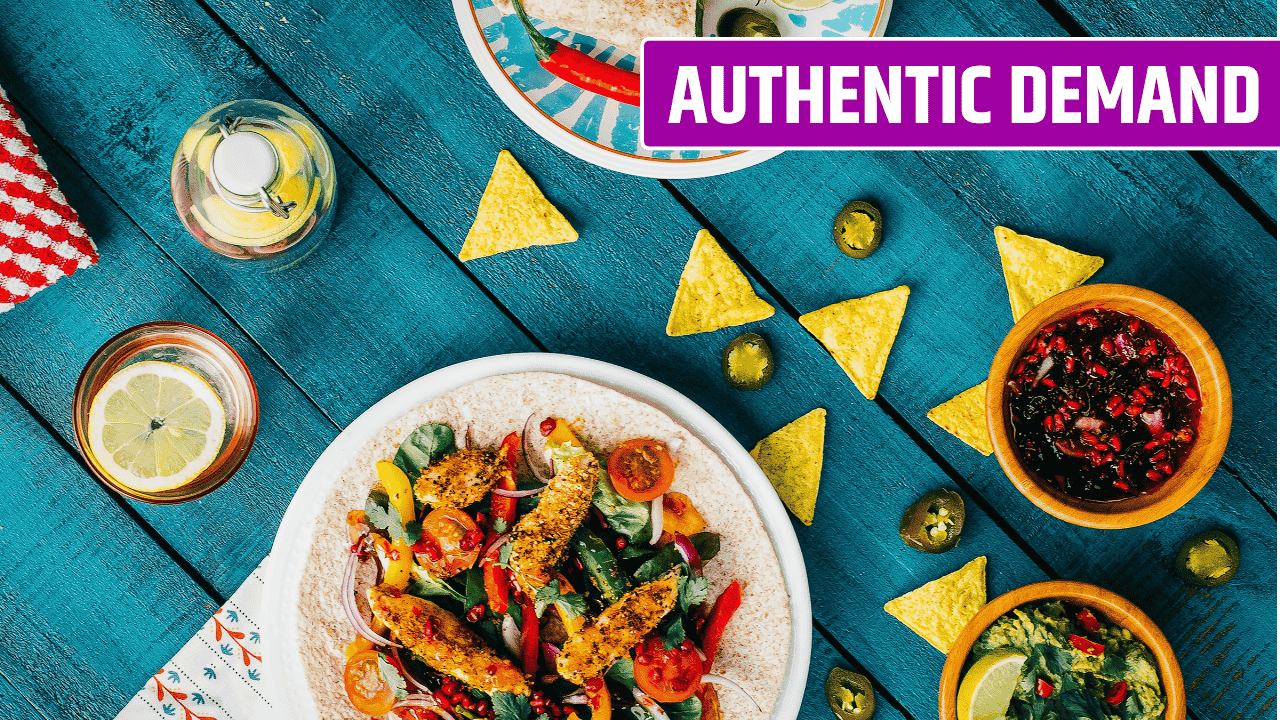
Tacos, burritos, bowls, quesadillas, and nachos maintain their quality even after transport. These dishes are designed for portability — easy to package, reheat, and enjoy without losing their flavor or texture. Rice, beans, grilled meats, and salsas retain warmth, while ingredients like guacamole and pico de gallo can be packed separately for freshness.

Moreover, Mexican food delivers strong visual and sensory appeal even through takeout packaging. Bright colors, vibrant garnishes, and aromatic spices make every order feel festive and satisfying.
For delivery-based businesses, that sensory satisfaction — the feeling that you’re getting a complete, comforting meal — is exactly what keeps customers coming back.
Customization: The Secret Ingredient for Repeat Orders
Mexican restaurants have long thrived on customization, and this strength translates perfectly to the digital ordering world.

Online delivery platforms like DoorDash, Uber Eats, and Grubhub allow users to build meals item by item — a concept Mexican restaurants pioneered long before delivery apps existed. Customers can personalize their tacos, burritos, and bowls with endless combinations of proteins, vegetables, and sauces.
That sense of control gives diners confidence that their meal will be exactly how they want it, every time. It also makes it easier for Mexican restaurants to cater to diverse dietary needs — vegan, vegetarian, gluten-free, or keto-friendly — broadening their customer base.
This digital-friendly flexibility makes Mexican cuisine a perfect match for the customization-driven delivery generation.
Affordable, Filling, and Family-Friendly
Another major advantage is value. Mexican food offers generous portions, affordable prices, and high perceived worth — three key factors in online ordering decisions.
For families, combination platters, taco packs, and burrito bundles provide convenient, shareable meals that feed everyone at a reasonable cost. In economic times when consumers are watching their budgets, Mexican restaurants strike the perfect balance between quality and affordability.
These factors have made Mexican cuisine one of the most-ordered categories on delivery apps, often outperforming pizza and burgers in urban markets.
It’s food that feels indulgent but remains accessible — ideal for family dinners, work lunches, or weekend cravings.
Smart Menu Design for the Digital Era
Successful Mexican restaurants understand that not all menu items translate perfectly to delivery — so they’ve adapted.
Smart operators are creating delivery-optimized menus, focusing on items that maintain texture, temperature, and presentation during transport.
Examples include:
- Burrito bowls and tacos kits, which travel better than plated dishes.
- DIY taco or fajita kits for families, encouraging interaction and freshness at home.
- Sealed sauces and sides that prevent sogginess or spillage.
Some brands even offer delivery-exclusive items, designed for convenience — such as handheld burritos, quesadilla wraps, or limited-edition salsas.
By rethinking menus for the digital experience, Mexican restaurants are not just surviving delivery culture — they’re innovating within it.
Branding and Online Visibility
Mexican restaurants also benefit from strong branding and visual appeal that works perfectly on digital platforms.
Bright colors, appetizing food photography, and catchy names make Mexican dishes stand out in crowded app listings. Eye-catching imagery of sizzling fajitas or overflowing burritos instantly grabs attention on screens.
Many Mexican restaurants also leverage social media and digital marketing to boost online orders. They post videos of food preparation, promote daily specials, and engage customers with hashtags like #TacoTuesday or #BurritoNight.
This integration of branding and technology creates a seamless journey — from Instagram post to delivery app order — reinforcing brand loyalty in a visually driven market.
Loyalty Programs and Repeat Business
Mexican restaurants are also leading the way in digital loyalty programs, encouraging repeat orders through app-based rewards.
Chains like Chipotle, Qdoba, and TacoTime have developed strong digital ecosystems that reward customers with points for every purchase. These rewards often include free chips, guacamole, or tacos — small gestures that build lasting relationships.
Local taquerias are following suit, using integrated POS systems and third-party delivery apps that collect customer data to personalize promotions. By offering discounts, combo deals, and birthday rewards, Mexican restaurants turn one-time buyers into loyal digital regulars.
Adaptation Through Technology and Innovation
The Mexican restaurant industry’s success in delivery also stems from its willingness to embrace technology.
From contactless payments to ghost kitchens and data analytics, Mexican eateries are staying ahead of the digital curve.
- Ghost kitchens (delivery-only operations) allow brands to expand into new markets without the high overhead of traditional dining spaces.
- POS integrations enable restaurants to manage online and in-house orders simultaneously.
- AI-driven analytics help identify top-selling items, peak order times, and customer preferences — allowing better menu design and marketing.
By adopting these tools early, Mexican restaurants have positioned themselves as tech-savvy, efficient, and customer-focused leaders in the delivery space.
The Role of Fast-Casual Chains
Large fast-casual Mexican chains have played a crucial role in shaping the online delivery market.
Brands like Chipotle, Taco Bell, and Qdoba have invested heavily in digital infrastructure, developing user-friendly mobile apps, optimized delivery packaging, and robust pickup systems.
Chipotle, for example, launched its “Digital Kitchen” model and dedicated digital make-lines to handle online orders efficiently. These innovations helped the brand increase its digital sales by over 100% in just two years, proving the power of tech integration in Mexican dining.
Smaller independent restaurants have benefited from this industry leadership, adopting similar models to stay competitive in their local markets.
Community Connection in the Digital Space
Despite their digital success, Mexican restaurants haven’t lost their community-driven identity.
Many use delivery platforms as an extension of their hospitality — including handwritten thank-you notes, free extras, or cultural touches like traditional sauces. Others partner with local events, charities, or schools to stay visible in their neighborhoods, even when physical interactions are limited.
This balance of technology and human connection is what truly sets Mexican restaurants apart in the online food delivery space. They’ve proven that even in a digital world, warmth and culture can still be delivered — one taco at a time.
FAQs
Why is Mexican food so popular for delivery?
Because it travels well, stays fresh, and offers customizable, satisfying meals that work for individuals and families alike.
Which Mexican dishes are best for delivery?
Burritos, tacos, quesadillas, bowls, and family taco kits tend to hold up best during transport.
How have Mexican restaurants adapted to online ordering?
By creating delivery-optimized menus, offering loyalty rewards, and embracing technology like ghost kitchens and mobile apps.
Are Mexican restaurants profitable in delivery markets?
Yes. Their affordable ingredients, high demand, and efficient packaging make them some of the most profitable cuisines in online food delivery.
What’s next for Mexican food in the digital dining world?
Expect continued innovation — from plant-based options and regional flavors to faster digital experiences and eco-friendly packaging.