In a world filled with food fads and fleeting culinary trends, Mexican restaurants have carved out a loyal following that goes beyond mere flavor — it’s emotional, cultural, and deeply sensory. The secret ingredient behind their growing brand loyalty? Authenticity. By staying true to traditional recipes, ingredients, and cultural storytelling, Mexican restaurants are creating meaningful dining experiences that customers want to return to again and again. Authentic taste, it turns out, isn’t just about food — it’s the foundation of trust, identity, and connection.
The Emotional Power of Authenticity
Authenticity in Mexican cuisine evokes more than nostalgia — it creates an emotional bond. When diners taste handmade tortillas, slow-cooked carnitas, or the earthy complexity of a mole made from scratch, they sense sincerity. These dishes tell a story of dedication, tradition, and respect for heritage.

In today’s market, where many food brands rely on gimmicks or fusion trends, authenticity offers a refreshing sense of honesty. Customers increasingly seek experiences that feel real and rooted in culture, not mass-produced or overly commercialized. For Mexican restaurants, this emotional resonance becomes the backbone of brand loyalty.
Many diners — whether of Mexican descent or simply lovers of the cuisine — return to a restaurant because it feels familiar and true. Each visit becomes more than a meal; it’s a reconnection with a taste that feels personal and genuine.
Staying True to Traditional Ingredients and Techniques
One of the most effective ways Mexican restaurants build loyalty is by preserving traditional cooking methods and sourcing authentic ingredients. Handmade masa, roasted chiles, fresh herbs, and slow-simmered sauces create flavors that can’t be replicated with shortcuts or processed substitutes.

Techniques like nixtamalization (treating corn to make masa), stone-grinding, and roasting over open flame are not just culinary practices — they are cultural rituals that enhance flavor and authenticity. Restaurants that invest time and care in these methods stand out in a market filled with shortcuts.
Customers notice the difference. The aroma of freshly pressed tortillas or the smoky depth of a hand-blended mole signals craftsmanship. These details communicate quality and pride — two traits that inspire customers to come back and spread the word.
Regional Authenticity as a Brand Identity
Mexico’s culinary diversity gives restaurants a rich opportunity to develop a unique brand identity. Instead of serving a generic “Mexican menu,” many successful establishments focus on regional authenticity — showcasing flavors from Oaxaca, Jalisco, Yucatán, or Puebla.

For example, a restaurant specializing in Oaxacan cuisine may highlight its seven moles and traditional chocolate drinks, while one rooted in Yucatán traditions might feature cochinita pibil cooked with achiote and citrus. By representing specific regions faithfully, these restaurants create a clear identity that attracts customers who value expertise and cultural depth.
This focus not only builds recognition but also positions the restaurant as an ambassador of culture, offering guests an educational and sensory journey. Customers develop loyalty not just to the food, but to the story and authenticity behind it.
The Role of Consistency in Building Trust
Brand loyalty depends on consistency — and in food, that means delivering the same authentic taste every time. Mexican restaurants that maintain quality across visits earn their customers’ trust.
Consistency requires attention to detail in recipes, sourcing, and training. Many restaurants build this reliability by:
- Training chefs to master traditional methods
- Using long-term suppliers for authentic ingredients
- Documenting recipes to ensure flavor stability
- Maintaining kitchen rituals that honor tradition
When diners know they can rely on the restaurant for the same comforting, authentic experience, they become repeat customers. Trust is built plate by plate, and once established, it becomes the foundation of long-term loyalty.
Storytelling: Connecting Customers to Culture
Authentic taste goes hand in hand with storytelling. Mexican restaurants that share the origins of their dishes — whether on menus, websites, or through staff — deepen customer engagement.
Explaining where a mole recipe comes from, how a family tradition inspired a salsa, or why certain ingredients are used in specific regions gives diners a richer appreciation of the meal. This narrative transforms dining into a cultural experience rather than a transaction.
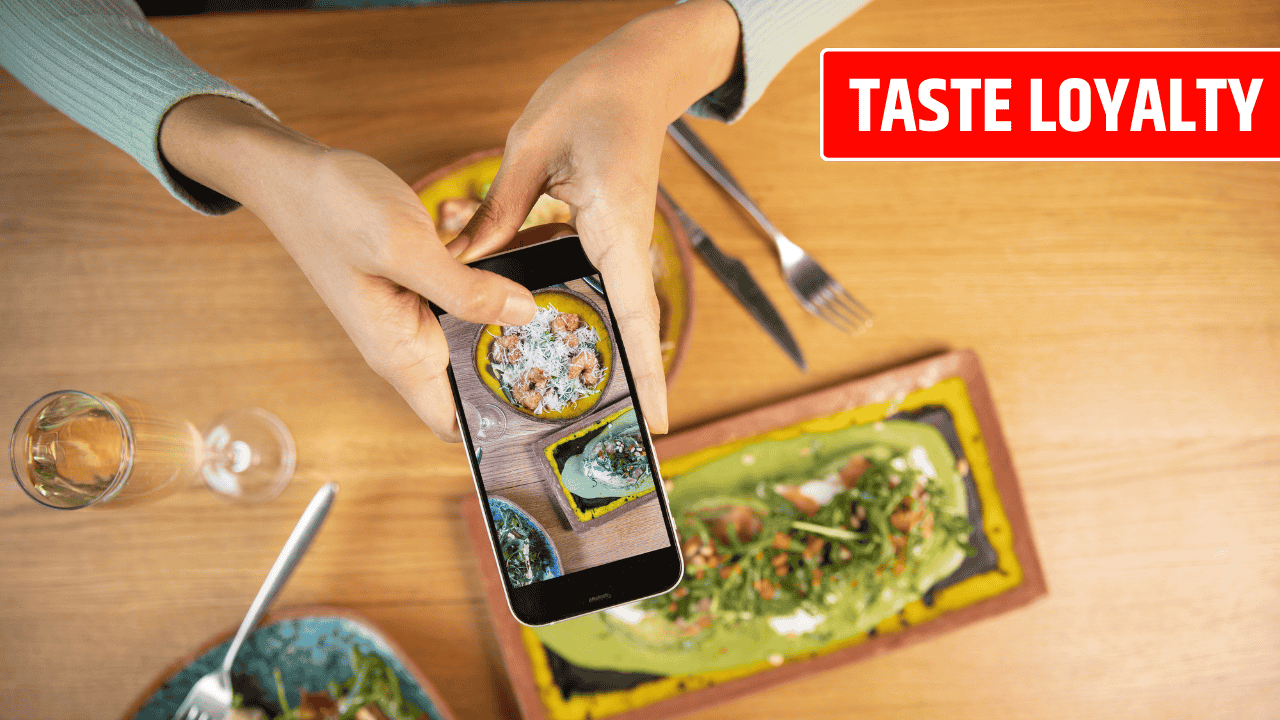
Social media amplifies this storytelling power. Many restaurants use platforms like Instagram and TikTok to share stories of their chefs, traditions, and sourcing journeys. Behind-the-scenes videos of masa being ground or tamales being wrapped not only showcase authenticity but also invite customers into the heart of the kitchen.
When customers feel part of that story, they become brand advocates — proudly sharing their experiences with friends and followers.
Balancing Authenticity and Innovation
While tradition is key, Mexican restaurants also build loyalty by evolving without losing their roots. Innovation that respects heritage keeps menus exciting and relevant.
Chefs may introduce modern plating, vegetarian variations, or contemporary beverage pairings while keeping the core flavors intact. A restaurant might serve vegan enchiladas made with traditional mole or create craft cocktails using artisanal mezcal and native herbs.
This thoughtful blend of old and new shows respect for culture while appealing to modern tastes — a balance that deepens loyalty across generations and demographics. Customers appreciate when innovation enhances, not replaces, authenticity.
Building Community Through Shared Experience
Mexican dining is inherently communal — it’s about sharing, gathering, and celebrating. Restaurants that embrace this spirit naturally cultivate brand loyalty through human connection.
Hosting events such as Día de los Muertos celebrations, tequila tastings, or traditional cooking classes transforms the restaurant into a cultural hub. These experiences go beyond food; they foster community and belonging.
Customers who feel emotionally connected to a restaurant’s mission and community are more likely to become long-term supporters. They don’t just dine — they identify with the brand’s values and energy.
FAQs
How does authenticity influence brand loyalty in restaurants?
Authenticity builds emotional trust. When food tastes genuine and respects tradition, customers feel connected and return for the same experience.
What makes Mexican cuisine unique in building loyalty?
Its deep cultural roots, regional diversity, and emphasis on storytelling create a dining experience that resonates with people on a personal level.
How can restaurants maintain authenticity while innovating?
By modernizing presentation or adapting for dietary needs without compromising traditional ingredients or core techniques.
Why is consistency important for customer retention?
Consistent flavor and quality build trust — customers come back knowing they’ll experience the same delicious authenticity every time.
How do community events enhance loyalty?
Events and cultural celebrations create emotional engagement and a sense of belonging, turning customers into long-term supporters.