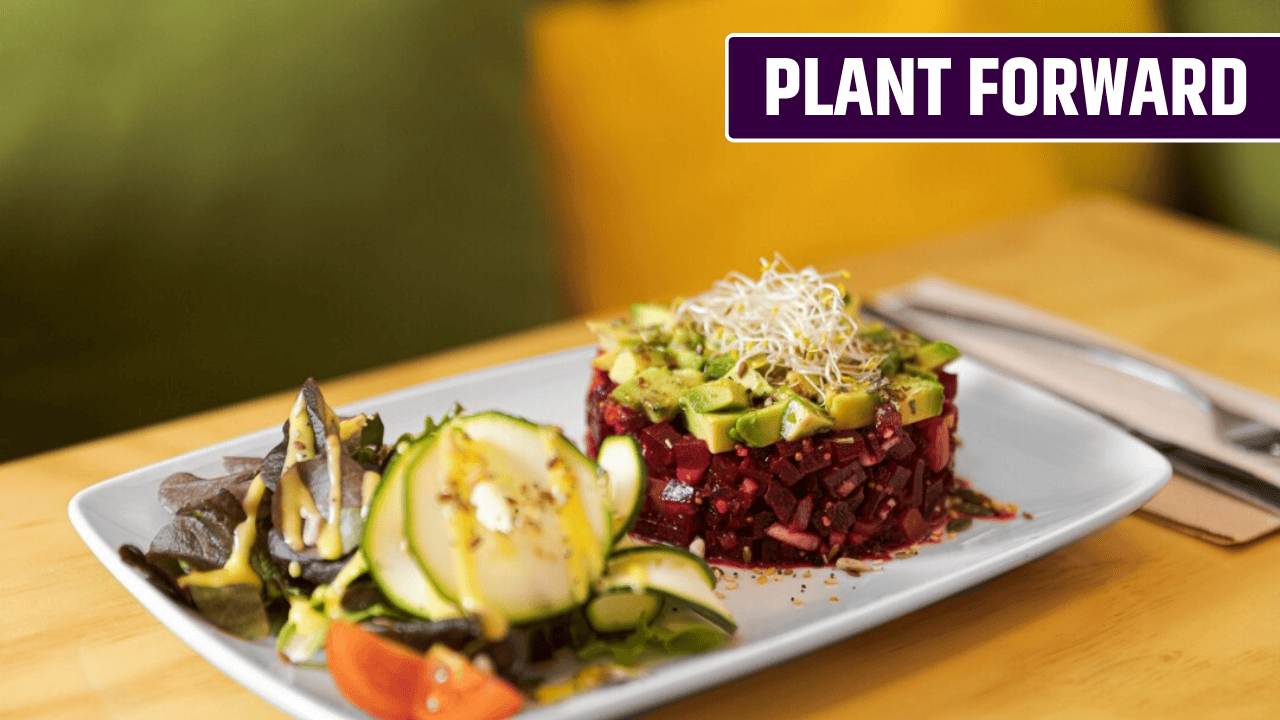
Over the past decade, a significant shift has transformed the dining landscape — the rise of vegan and plant-based eating. What was once considered a niche lifestyle choice has become a mainstream movement driven by environmental awareness, health consciousness, and culinary innovation. And among all global cuisines, Mexican restaurants have adapted most gracefully to this transformation.
With their deep-rooted use of vegetables, grains, legumes, and herbs, Mexican kitchens were already halfway to plant-based perfection. Today, Mexican restaurants across the United States and beyond are reimagining their menus — from street tacos to fine dining — proving that vegan food can be flavorful, authentic, and culturally rich without losing its soul.
A Cuisine Naturally Rooted in Plants

Traditional Mexican cooking, long before the introduction of European ingredients, was inherently plant-forward. Ancient Mesoamerican diets centered on the “Three Sisters” — corn, beans, and squash — along with chiles, tomatoes, avocado, cactus (nopales), and a variety of native herbs and seeds.
This natural abundance of plant-based ingredients gives Mexican cuisine a head start in adapting to vegan trends. Even iconic staples like tortillas, tamales, and salsas are traditionally free of animal products.
By returning to these indigenous roots, modern Mexican chefs are rediscovering the plant-based essence of their culinary heritage. It’s not about replacing meat — it’s about celebrating plants as the heart of the meal, just as Mexican ancestors did centuries ago.
Reinventing Classics Without Losing Tradition

One of the reasons Mexican restaurants have found success in the vegan movement is their ability to reinterpret classic dishes without compromising authenticity or flavor.
Examples include:
- Vegan Tacos al Pastor: Made with marinated mushrooms, jackfruit, or seitan, grilled with traditional spices and pineapple.
- Plant-Based Enchiladas: Stuffed with black beans, roasted vegetables, and vegan cheese alternatives.
- Vegan Pozole or Menudo: Using hominy and plant proteins like mushrooms instead of pork or beef.
- Tamalitos Verdes: Corn masa filled with spinach, zucchini, or vegan mole sauce.
- Vegan Quesadillas: Melted cashew or almond cheese between handmade corn tortillas.
By keeping the same traditional cooking methods — roasting chiles, grinding spices in a molcajete, slow-simmering sauces — chefs maintain the emotional and sensory connection to Mexican heritage. Diners still taste authenticity, even when the ingredients are plant-based.
The Role of Ingredients: From Jackfruit to Cactus
The beauty of Mexican cuisine lies in its ability to turn simple ingredients into culinary art. This adaptability makes it a natural fit for the vegan movement.

Mexican chefs are embracing a range of plant-based ingredients that mirror the textures and flavors of traditional meats:
- Jackfruit – used as a shredded substitute for carnitas or barbacoa.
- Mushrooms – particularly oyster and portobello, offering meaty depth for tacos.
- Nopales (cactus paddles) – a classic Mexican ingredient that’s both nutritious and uniquely textured.
- Amaranth and quinoa – ancient grains that add protein and heartiness to salads and sides.
- Plant-based cheeses and crema – often made from cashews or almonds, maintaining the creamy richness of traditional dairy.
These ingredients not only align with vegan ethics but also highlight Mexico’s biodiversity and agricultural traditions, reconnecting the cuisine with its ecological roots.
Vegan Mexican Fine Dining: A Growing Trend
Once limited to fast-casual taquerias and food trucks, vegan Mexican cuisine has now entered the realm of fine dining.
High-end restaurants in cities like Los Angeles, New York, and Mexico City are showcasing elegant plant-based reinterpretations of classic dishes. Restaurants such as Gracias Madre in California and Los Loosers in Mexico City have gained international attention for their artistry and respect for tradition.
These establishments emphasize farm-to-table sourcing, zero-waste cooking, and organic ingredients, proving that vegan Mexican cuisine can be as sophisticated and luxurious as any other global dining experience.
By merging sustainability with culinary excellence, they’re reshaping how the world perceives both Mexican and vegan food.
The Environmental Connection: Sustainability Meets Tradition
The global vegan movement is strongly tied to environmental awareness — and Mexican cuisine aligns perfectly with that ethos.
Traditional Mexican cooking has always prioritized seasonal, local ingredients and minimal waste. Dishes like soups, stews, and salsas were designed to stretch resources while enhancing flavor.
By returning to these time-honored principles, modern Mexican restaurants are participating in the sustainability movement naturally. They source from local farms, use compostable packaging, and feature plant-based proteins that reduce the environmental footprint of dining.
In this way, Mexican cuisine isn’t just adapting to vegan trends — it’s leading the way with ethical and ecological responsibility rooted in centuries of cultural wisdom.
The Health Factor: Clean, Fresh, and Wholesome
Vegan Mexican food also aligns with today’s health-conscious lifestyle. Diners increasingly seek meals that are nutritious but still full of flavor — and Mexican cuisine delivers exactly that.
With its focus on whole ingredients like beans, vegetables, herbs, and grains, plant-based Mexican food offers:
- High fiber and protein content.
- Rich sources of vitamins and antioxidants.
- Low levels of saturated fat.
- Fresh, vibrant flavors that satisfy cravings without heaviness.
Dishes like grilled vegetable tacos, black bean bowls, and avocado tostadas are popular not only for their taste but also for their clean, energizing qualities.
Health, flavor, and cultural authenticity — it’s the perfect combination for modern diners who want it all.
Social Media and the Rise of Vegan Mexican Influencers
Social media has played a huge role in popularizing vegan Mexican cuisine.
Platforms like Instagram and TikTok are filled with videos of colorful vegan tacos, tamales, and mole bowls, making plant-based eating visually irresistible. Vegan Mexican chefs and influencers — such as Chef Jocelyn Ramirez (Todo Verde) — are using these platforms to educate followers on both the cultural and environmental value of plant-based Mexican food.
This digital visibility has normalized veganism within Latin culture and beyond, inspiring both traditional and non-traditional audiences to try plant-based Mexican dishes.
Social media has essentially turned vegan Mexican cuisine into a cultural bridge — connecting heritage with modern values of sustainability and health.
Challenges and Opportunities for Restaurants
While the movement is thriving, Mexican restaurants adapting to vegan trends face both challenges and opportunities.
Challenges include:
- Convincing traditional diners that plant-based versions can match the depth of meat-based dishes.
- Finding cost-effective plant-based alternatives without compromising quality.
- Educating consumers about indigenous vegan-friendly ingredients unfamiliar to many Americans.
Opportunities, however, are enormous:
- Growing demand among Millennials and Gen Z for vegan and sustainable dining.
- The ability to attract both vegan and non-vegan customers with flexible menus.
- Partnership opportunities with local farms and eco-friendly suppliers.
Restaurants that successfully merge tradition with innovation are discovering a loyal and expanding customer base eager for authentic yet conscious dining experiences.
FAQs
Why is Mexican cuisine suited to vegan and plant-based diets?
Because its traditional foundation already relies heavily on vegetables, beans, corn, and herbs — natural plant-based ingredients.
What are some popular vegan Mexican dishes?
Jackfruit tacos, vegan enchiladas, plant-based tamales, cactus salads, and cashew crema quesadillas.
Are vegan Mexican restaurants common now?
Yes. Cities like Los Angeles, Austin, New York, and Mexico City have seen a rapid rise in vegan Mexican eateries.
Can vegan Mexican food still be authentic?
Absolutely. Authenticity lies in respecting tradition, flavor, and craft — not necessarily in using animal products.
What’s next for vegan Mexican dining?
More sustainability-driven restaurants, indigenous ingredient revival, and continued innovation blending health with heritage.