In recent years, Mexican cuisine has not only conquered American dining—it’s also transformed how people experience nightlife. From vibrant mezcal bars to late-night taquerias and tequila lounges, Mexican flavors, spirits, and traditions are now shaping the rhythm of evenings across the United States.
What once began as casual taco spots serving beer and margaritas has evolved into a sophisticated movement redefining what nightlife looks, sounds, and tastes like. Mexican cuisine and culture have become central to a new era of social dining, craft mixology, and cultural celebration—one that’s authentic, sensory, and joyfully communal.
From Margaritas to Mezcal: The Agave Revolution

At the heart of Mexican influence on American bar culture is the rise of agave-based spirits—especially tequila and mezcal.
Once seen as simple party drinks, these spirits have experienced a remarkable transformation. Today, they’re celebrated for their craftsmanship, heritage, and complexity, much like fine whiskey or cognac.
The Tequila Renaissance
Premium tequila brands now dominate cocktail menus across the U.S., with expressions like añejo and reposado treated with the same reverence as aged bourbons. Bartenders are emphasizing terroir, small-batch production, and traditional distillation methods.
Mezcal: The Spirit of Authenticity

Mezcal, with its smoky, earthy notes, has become the drink of choice for adventurous consumers and cocktail enthusiasts. Its artisanal nature—hand-harvested agave, stone-ground milling, wood-fired distillation—embodies authenticity and craftsmanship.
Bars now host mezcal tastings and pairing events, where guests learn about the regions, agave varieties, and cultural significance behind each bottle. This has turned drinking into a form of cultural exploration, not just indulgence.
Together, tequila and mezcal have sparked an “agave revolution,” inspiring bars to create innovative menus, educate customers, and embrace Mexican tradition as a symbol of sophistication.
Mexican Mixology: Bold Flavors and Fresh Ingredients

Mexican cuisine has deeply influenced modern American mixology, particularly through its vibrant, fresh, and sensory-driven approach.
Classic cocktails like the Margarita, Paloma, and Michelada have gone far beyond their original forms, evolving into gourmet experiences with handcrafted syrups, infused salts, and house-made juices.
Contemporary mixologists are also drawing from Mexican culinary techniques:
- Chiles for spice and depth.
- Citrus and tropical fruits for balance and brightness.
- Smoky infusions inspired by mezcal traditions.
- Herbs like cilantro, epazote, and basil for earthy, aromatic notes.
These elements have brought a new dimension of flavor and creativity to American cocktail culture. Mexican-inspired drinks are now synonymous with energy, freshness, and authenticity — qualities younger audiences especially crave.
The Rise of the Modern Cantina
Across major U.S. cities, the modern Mexican cantina has become a nightlife staple. These spaces blend the best of dining, drinking, and ambiance, offering a full sensory experience rooted in culture and community.
Unlike traditional bars, cantinas emphasize conviviality and connection. They are lively yet warm, festive yet inviting—places where people gather not just to drink but to share stories, laughter, and great food.
Modern cantinas often feature:
- Open kitchens serving late-night tacos and antojitos.
- Live Latin music or DJ sets blending cumbia, reggaeton, and electronic beats.
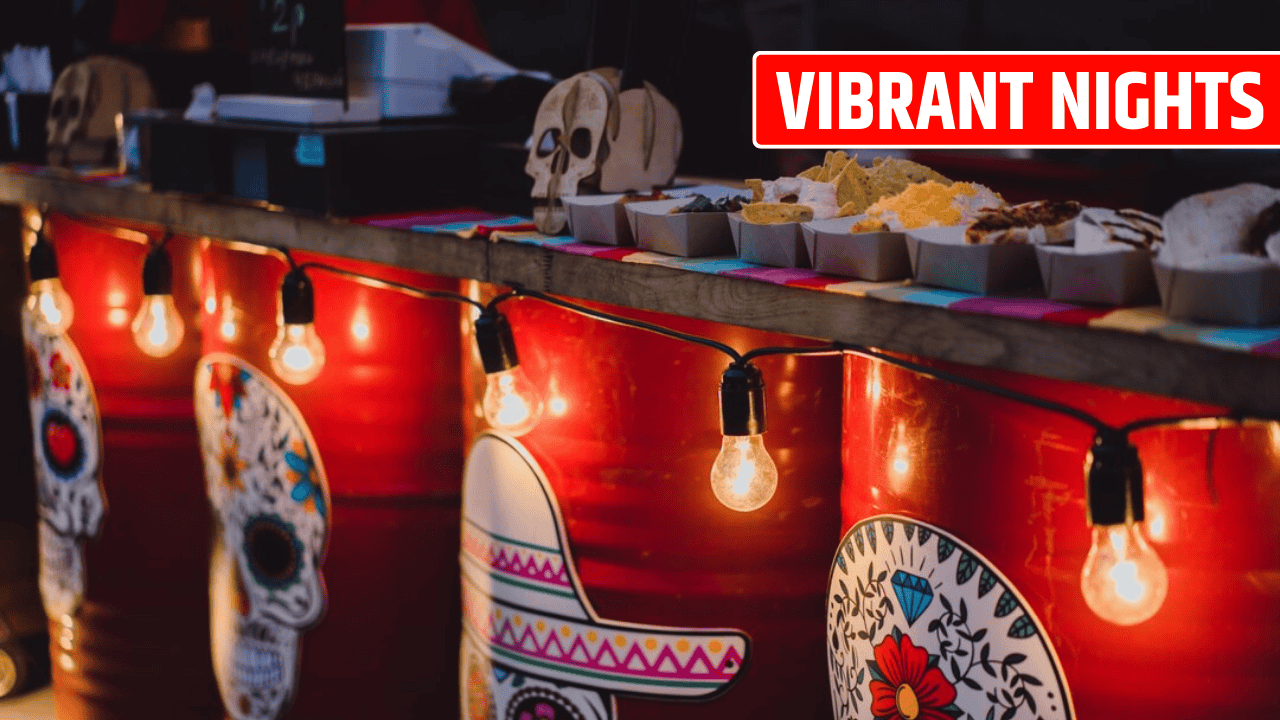
- Vibrant décor with colorful murals, handcrafted tilework, and Mexican folk art.
This blend of food, music, and atmosphere makes Mexican-inspired venues stand out in a crowded nightlife scene. They appeal to patrons who want more than just cocktails — they want cultural immersion.
Late-Night Dining: The Taco Takes Over
Few things define modern nightlife like the late-night taco.
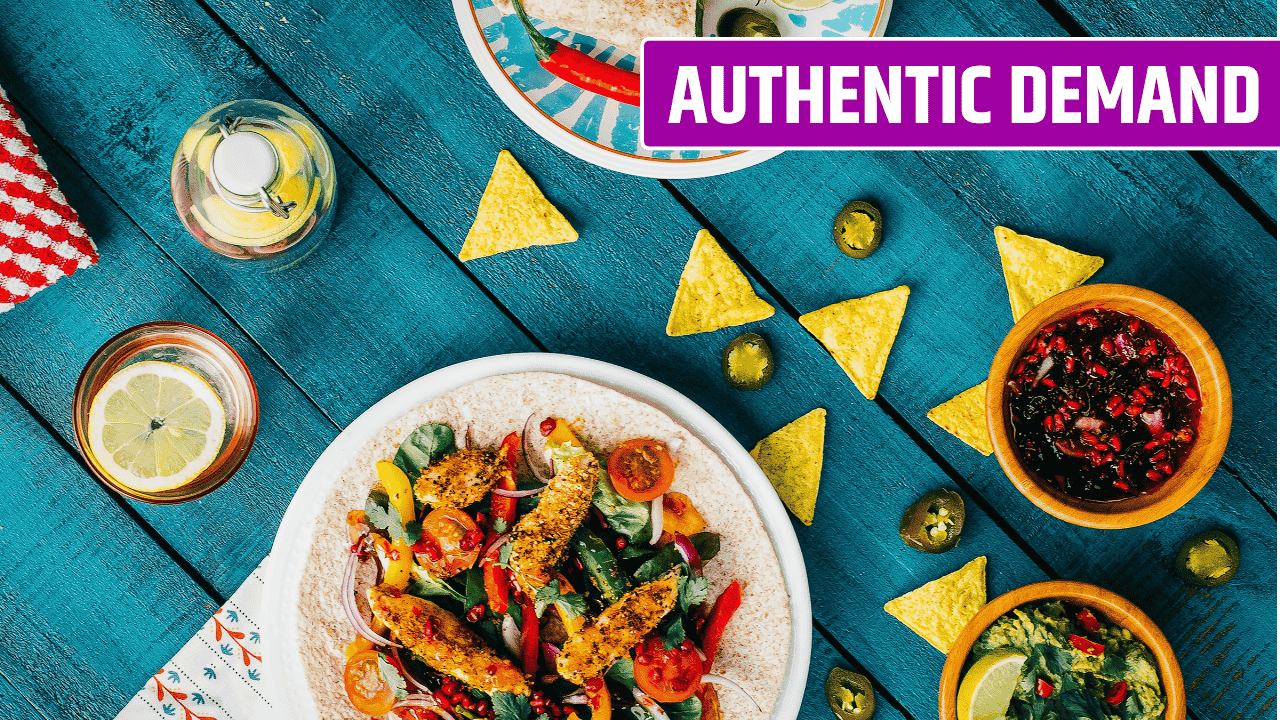
As cities shift toward more dynamic after-hours cultures, Mexican street food has become the go-to option for hungry night owls. Tacos, elotes, and quesadillas offer the perfect combination of portability, flavor, and satisfaction.
Pop-up taco stands outside bars, 24-hour taquerias, and food trucks have become urban icons — offering quality food long after most restaurants close. The “post-party taco run” has evolved from a casual habit into a ritual of nightlife culture across cities like Los Angeles, Austin, New York, and Miami.
This growing intersection between street food and nightlife has also fueled collaborations between chefs and bar owners, blending culinary craftsmanship with social energy in ways that redefine late-night dining.
Design, Atmosphere, and Cultural Aesthetics
The influence of Mexican culture extends far beyond menus — it’s shaping the look and feel of nightlife spaces.
Bars and restaurants inspired by Mexico incorporate aesthetics that radiate warmth and authenticity:
- Handcrafted ceramics and rustic wood tables.
- Vibrant color palettes drawn from Mexican markets and festivals.
- Artisanal lighting that evokes the glow of candlelit cantinas.
- Murals and artwork celebrating Mexican identity and folklore.
This design philosophy turns bars into immersive cultural experiences. Guests aren’t just stepping into a venue — they’re stepping into an atmosphere that celebrates artistry, community, and joy.
Community and Cultural Storytelling
Perhaps the most powerful influence of Mexican cuisine on U.S. nightlife is its emphasis on community and storytelling.
In Mexican culture, food and drink are inseparable from celebration — every gathering is a chance to connect, honor tradition, and enjoy the moment. This spirit has transformed American nightlife, shifting it away from transactional drinking toward shared experiences rooted in culture.
Mexican restaurants and bars often educate guests about heritage through menus, décor, and events. From Día de los Muertos celebrations to tequila festivals, they build cultural bridges that unite people through flavor and festivity.
This authenticity — celebrating rather than commercializing culture — has made Mexican-inspired nightlife spaces some of the most beloved in the country.
The Business Side: Why It Works
From a business perspective, the synergy between Mexican food and nightlife is a recipe for profitability.
- High-margin drinks: Tequila and mezcal cocktails deliver excellent profit margins.
- Cross-over appeal: Food and drink sales complement each other, attracting diners who stay for drinks — and vice versa.
- Diverse clientele: Mexican bars attract both casual patrons and upscale audiences seeking curated experiences.
- Repeat business: Authentic atmosphere and strong branding foster community loyalty.
It’s no wonder major cities now have entire districts filled with Mexican-inspired lounges, rooftop bars, and tequila tasting rooms — a clear sign that this fusion of cuisine and nightlife isn’t a passing trend, but a lasting movement.
FAQs
Why are mezcal and tequila so popular in American bars now?
Because consumers value authenticity and craftsmanship. Agave spirits are artisanal, complex, and deeply rooted in cultural tradition.
How has Mexican cuisine changed nightlife in the U.S.?
It’s made nightlife more social, flavorful, and culturally immersive — blending great food with music, design, and storytelling.
What makes Mexican-inspired bars so successful?
They offer an experience — not just drinks — through atmosphere, community, and the emotional appeal of Mexican culture.
Is this trend mostly urban?
While it began in major cities, Mexican-inspired nightlife is spreading nationwide, from small towns to luxury resorts.
Will Mexican culture continue to shape U.S. bar trends?
Absolutely. As Americans seek authentic, vibrant experiences, Mexican cuisine’s influence will keep leading the way in how we eat, drink, and celebrate.