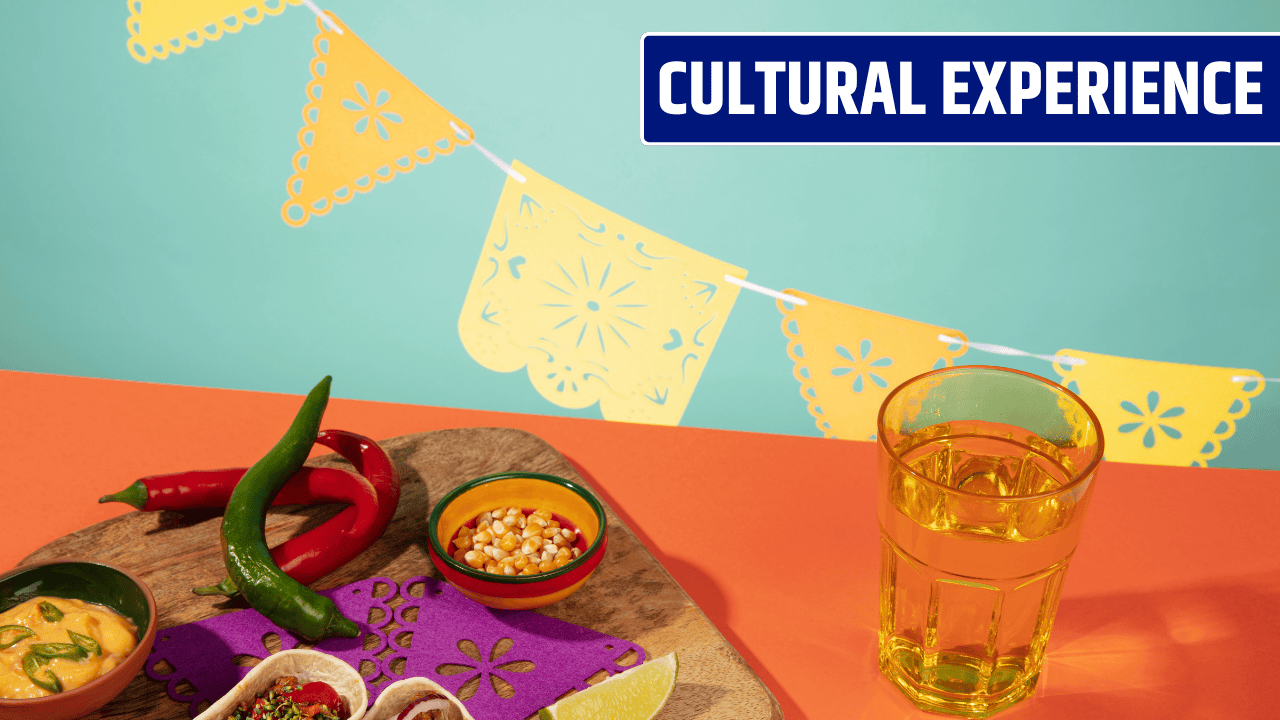
Mexican cuisine is far more than a collection of delicious recipes — it’s a living, breathing expression of history, identity, and community. Every dish tells a story, passed down through generations and enriched by the country’s deep cultural roots. From the smoky aroma of roasted chiles to the rhythmic sound of tortillas being pressed by hand, Mexican food engages all the senses while connecting people to something larger than themselves. Around the world, it’s recognized not just as a meal, but as an immersive cultural experience that celebrates heritage, creativity, and togetherness.
A Blend of Ancient Traditions and Modern Influence
At the heart of Mexican cuisine lies a fusion of indigenous and colonial influences, creating one of the world’s most complex and diverse culinary landscapes. Long before European contact, civilizations like the Aztec and Maya cultivated staples such as corn, beans, squash, and cacao — ingredients that still form the foundation of Mexican cooking today.

When Spanish colonizers arrived in the 16th century, they introduced new foods such as rice, wheat, meats, and dairy. The result was not assimilation, but a brilliant culinary symbiosis — where indigenous techniques and flavors adapted foreign ingredients into something uniquely Mexican.
Modern Mexican cuisine continues this tradition of innovation. Chefs blend ancient practices like nixtamalization (the process of treating corn for masa) with contemporary techniques, creating dishes that honor the past while embracing the present. This balance of heritage and evolution transforms each meal into a cultural experience that transcends borders and time.
Food as a Form of Storytelling
In Mexican culture, food is storytelling. Each region, each dish, and even each family recipe carries a narrative about place, people, and purpose.

For instance, mole poblano represents Puebla’s colonial history, blending indigenous chiles and cacao with European spices. Tamales, one of Mexico’s oldest foods, symbolize celebration and unity, prepared communally for festivals and family gatherings. Pozole, traditionally served during special occasions, has ancient ceremonial roots that date back thousands of years.
When people sit down to eat Mexican food — whether it’s street tacos in Mexico City or an elegant mole in Oaxaca — they’re participating in these stories. It’s a sensory connection to ancestors, traditions, and cultural continuity. That’s why Mexican cuisine is not merely eaten; it’s experienced, felt, and remembered.
Communal Dining and the Spirit of Togetherness
One of the most defining features of Mexican cuisine is its communal nature. Food is central to social connection — it brings families, friends, and even strangers together. Meals are shared experiences, not solitary events.

From large gatherings like Día de los Muertos feasts to Sunday family lunches, Mexican dining traditions emphasize generosity, laughter, and shared joy. Dishes are often served family-style, meant to be passed around and enjoyed collectively.
This social element transforms eating into an act of community and cultural belonging. Even abroad, Mexican restaurants often recreate this warmth and inclusivity, allowing diners from all walks of life to feel part of something familial and welcoming.
The Role of Ritual and Celebration
In Mexico, food is deeply woven into the fabric of ritual and celebration. Each holiday or festivity carries its own traditional dishes, symbolizing the values and emotions of the occasion.
For example, Pan de Muerto (Bread of the Dead) is baked during Día de los Muertos to honor ancestors, its design symbolizing the cycle of life and death. Rosca de Reyes, enjoyed during Epiphany, celebrates the arrival of the Three Wise Men with hidden surprises baked into the dough. During Christmas, tamales and atole warm the table, representing family unity and gratitude.
These culinary traditions are sacred acts of remembrance and joy. Preparing and sharing these foods is a form of cultural devotion, keeping Mexico’s spiritual and communal heritage alive across generations.
Regional Diversity as a Cultural Map
Mexico’s geography and history have given rise to extraordinary regional diversity, with each area offering its own unique ingredients, flavors, and cooking styles. Exploring Mexican cuisine is like traveling through a cultural map of the country itself.
- Oaxaca is celebrated for its seven types of mole and indigenous cooking traditions.
- Yucatán draws from Mayan heritage, featuring dishes like cochinita pibil flavored with achiote and citrus.
- Veracruz showcases coastal influences, blending indigenous and Spanish ingredients in seafood stews.
- Northern Mexico highlights grilled meats and flour tortillas, influenced by ranching culture.
Each region’s cuisine reflects local identity, climate, and history — a living record of how people have interacted with their environment and each other for centuries.
Mexican Cuisine as Intangible Heritage
In 2010, UNESCO recognized Mexican cuisine as an Intangible Cultural Heritage of Humanity, affirming what Mexicans have always known — that their culinary traditions are a vital expression of cultural identity.
This designation highlights how Mexican cuisine embodies community practices, agricultural knowledge, traditional cooking techniques, and collective memory. It is a form of heritage passed down not just through recipes, but through gestures, rituals, and shared experiences.
When diners enjoy authentic Mexican food, they’re participating in a cultural legacy that transcends borders — an art form that unites people through flavor, craftsmanship, and emotion.
The Modern Revival of Cultural Pride
A new generation of Mexican and Mexican-American chefs is leading a revival of cultural pride through food. They are reclaiming ancestral techniques, celebrating indigenous ingredients, and challenging stereotypes that once reduced Mexican cuisine to fast food.
Through storytelling, artistry, and authenticity, these chefs are reframing Mexican cuisine as a form of identity and cultural diplomacy. Their restaurants have become cultural ambassadors — spaces where tradition meets modern creativity and where every bite speaks of heritage and heart.
This resurgence has elevated global respect for Mexican gastronomy, making it one of the most admired and influential cuisines in the world.
FAQs
Why is Mexican cuisine considered cultural heritage?
Because it reflects centuries of tradition, indigenous knowledge, and communal practices, all recognized by UNESCO as part of humanity’s intangible heritage.
How does Mexican food connect people to history?
Each dish carries historical significance, blending indigenous and colonial influences and preserving ancestral cooking methods that have survived for generations.
What makes Mexican dining a communal experience?
Meals are meant to be shared, emphasizing togetherness, storytelling, and celebration — key values in Mexican culture.
How do regional cuisines contribute to Mexican cultural identity?
Each region’s ingredients, climate, and customs shape its unique flavors, together forming a culinary map that represents Mexico’s diverse heritage.
Why is authenticity important in Mexican cuisine today?
Authenticity preserves cultural identity while honoring the people and traditions that created the dishes, ensuring that heritage continues to thrive in modern dining.