Mexican restaurants across the United States are experiencing a digital renaissance. What was once a business built on word-of-mouth and local foot traffic is now thriving through innovative online strategies. From social media storytelling to influencer collaborations and advanced delivery apps, Mexican restaurants are embracing digital marketing to expand their reach and boost sales. As the food industry continues to evolve, understanding how these eateries are using the digital landscape reveals key lessons in both cultural authenticity and modern entrepreneurship.
Building Authentic Brands Through Social Media
One of the most powerful tools Mexican restaurants use to increase sales is social media marketing. Platforms like Instagram, TikTok, and Facebook allow them to showcase their personality, culture, and menu in visually appealing ways.

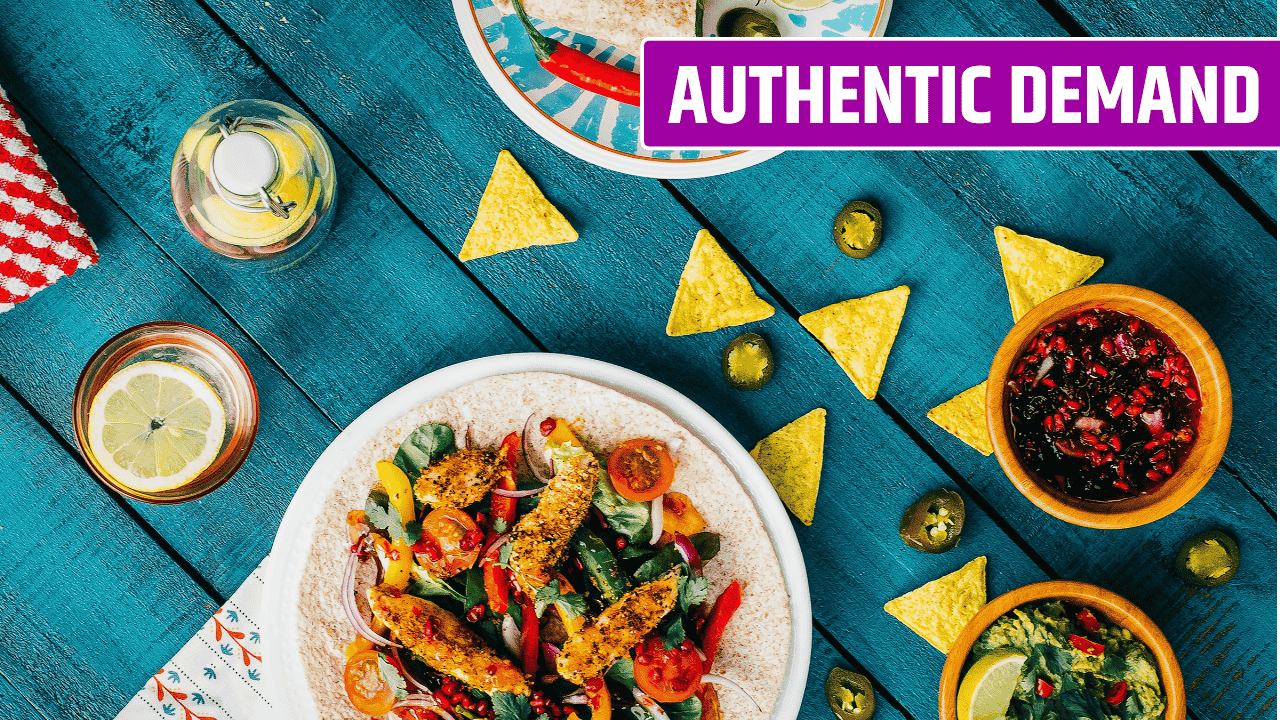
Mexican cuisine is naturally colorful and photogenic — think bright salsas, golden tortillas, and vibrant margaritas. Restaurants are using this visual appeal to their advantage by sharing behind-the-scenes videos, cooking demos, and customer experiences.
Authenticity is key: instead of generic promotions, many restaurants post real stories about their chefs, family traditions, and regional inspirations. This creates an emotional connection with customers, building loyalty and encouraging repeat visits.
Influencer partnerships also play a huge role. Collaborating with local food bloggers and TikTok creators helps restaurants reach new audiences organically. A single viral taco video can attract hundreds of new customers overnight.
Optimizing Websites for Local SEO

Local visibility is everything in the restaurant business. Mexican restaurants are increasingly investing in Search Engine Optimization (SEO) to ensure they appear when hungry customers search for “tacos near me” or “best Mexican restaurant in [city name].”
Effective strategies include:
- Using Google Business Profiles with accurate hours, menus, and photos
- Collecting positive reviews to boost ranking credibility
- Including location-specific keywords on websites and blogs
- Embedding maps and click-to-call buttons for easy access
Some restaurants even publish blog posts about Mexican culinary traditions, festivals, or recipes. This type of content not only educates readers but also improves organic search traffic. The higher a restaurant ranks locally, the more likely it is to convert digital searches into real-world foot traffic.
Leveraging Food Delivery Apps and Online Ordering

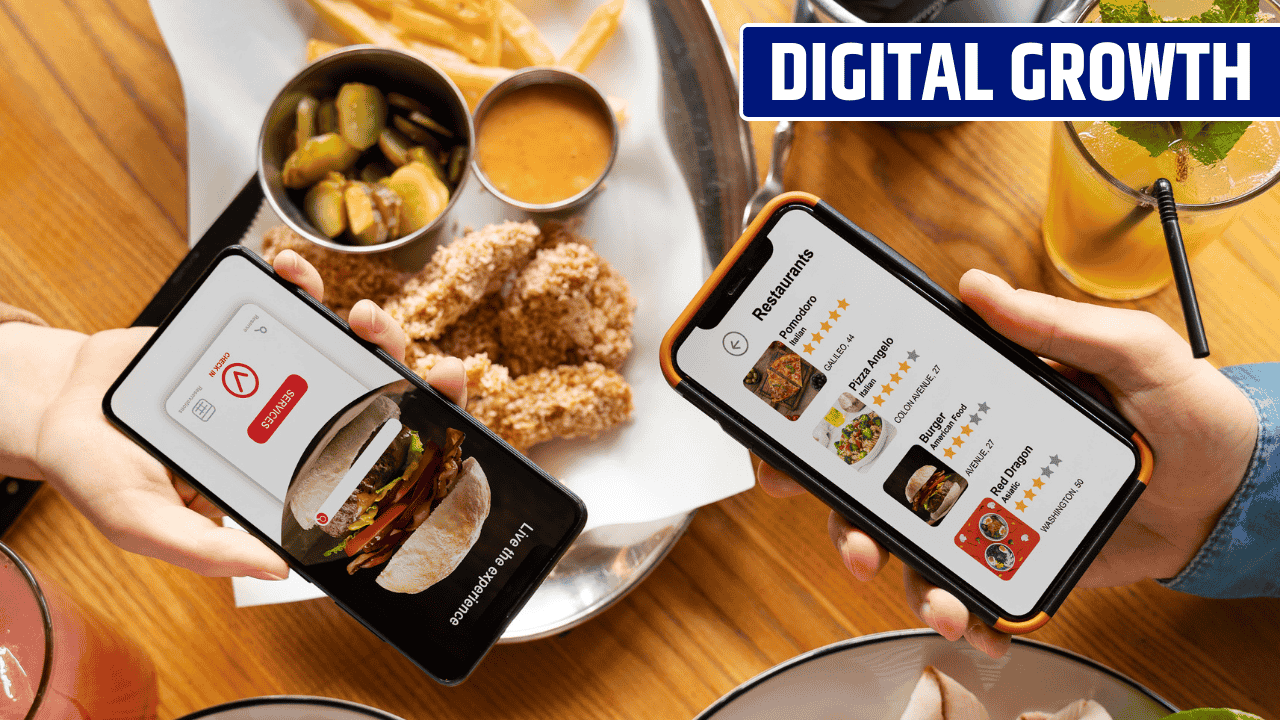
Digital ordering has become one of the most important sales channels for Mexican restaurants. Apps like Uber Eats, DoorDash, and Grubhub have changed the way customers discover and experience food.
To stand out in crowded app marketplaces, many restaurants use high-quality food photography, detailed descriptions, and optimized pricing strategies. Some offer exclusive menu items or promotions available only through delivery platforms, driving app engagement and repeat business.
Restaurants also benefit from data analytics provided by these apps — insights into customer preferences, order frequency, and geographic demand help them refine their marketing strategies and adjust menus to maximize profitability.
In addition, restaurants that integrate online ordering directly into their own websites using tools like Toast or Square gain more control over branding and customer data, reducing reliance on third-party platforms.
Email Marketing and Loyalty Programs
Email marketing remains one of the most cost-effective digital tools for restaurants. Mexican restaurants use it to share updates, announce special events, and promote limited-time offers such as Taco Tuesday deals or Cinco de Mayo celebrations.
Automated loyalty programs connected to email campaigns encourage repeat visits. For instance, customers might receive a free appetizer after five orders or a birthday coupon. These small gestures enhance customer retention and build long-term brand loyalty.
Some restaurants combine email marketing with mobile apps or SMS notifications, creating multi-channel communication that keeps their brand top of mind without feeling intrusive.
Storytelling Through Video Content
Video has become one of the most engaging forms of content in digital marketing. Mexican restaurants use platforms like TikTok, Instagram Reels, and YouTube to showcase recipes, culture, and personality in motion.
Short, engaging videos featuring food preparation, chef introductions, or customer reactions can attract thousands of views. Some restaurants also create mini-documentaries highlighting their heritage, sourcing practices, or regional cooking methods.
This storytelling approach builds trust and emotional resonance — viewers don’t just see food; they see tradition, care, and authenticity. It transforms casual viewers into loyal customers.
Partnering with Influencers and Community Voices
Influencer marketing has become a cornerstone of restaurant growth. Mexican restaurants are tapping into both micro-influencers (those with small but loyal local followings) and macro-influencers for brand exposure.
Micro-influencers are especially effective for small businesses because their recommendations feel more personal and authentic. Restaurants often invite them to exclusive tastings or cultural events, allowing influencers to share real experiences that resonate with local audiences.
Beyond influencers, restaurants are also collaborating with community organizations, artists, and cultural groups to host events or cross-promotions. These partnerships not only drive sales but also strengthen their reputation as authentic, community-driven businesses.
Using Paid Advertising Strategically
While organic marketing builds long-term loyalty, paid advertising helps boost visibility quickly. Mexican restaurants use Google Ads, Meta Ads (Facebook and Instagram), and even TikTok ads to target potential customers in specific geographic areas.
For example, a restaurant might run an ad promoting a lunch special within a 5-mile radius during peak office hours. Others use retargeting ads — reminding users who visited their site or menu page to place an order.
Paid campaigns that highlight authenticity, family-owned heritage, or limited-time offers often perform especially well, as they blend storytelling with urgency.
Data Analytics and Customer Insights
Digital marketing success depends on understanding customer behavior. Modern Mexican restaurants are leveraging data analytics tools — such as Google Analytics, Meta Insights, and restaurant POS systems — to measure performance and adjust strategies.
By analyzing which posts drive traffic, which menu items perform best, and when customers are most active, restaurants can make informed decisions that directly increase sales.
For example, analytics might reveal that social media posts about margaritas perform best on Fridays, prompting the restaurant to schedule more drink-related promotions on that day.
FAQs
How can small Mexican restaurants start using digital marketing effectively?
Begin with strong local SEO, a consistent social media presence, and professional Google Business listings. Small steps like regular updates and customer engagement can make a big difference.
Which digital marketing channel works best for restaurants?
Social media platforms like Instagram and TikTok are most effective for visual storytelling, while Google Ads and SEO drive targeted traffic.
How can restaurants use data to improve marketing?
Analyzing website and social media insights helps restaurants understand which promotions work best, what customers prefer, and when to advertise for maximum engagement.
Is email marketing still useful for restaurants?
Yes. Email campaigns are great for maintaining relationships with existing customers, promoting events, and offering loyalty rewards.
How important is authenticity in online marketing?
Authenticity is crucial. Customers are more likely to support restaurants that share genuine stories about their culture, food, and people.