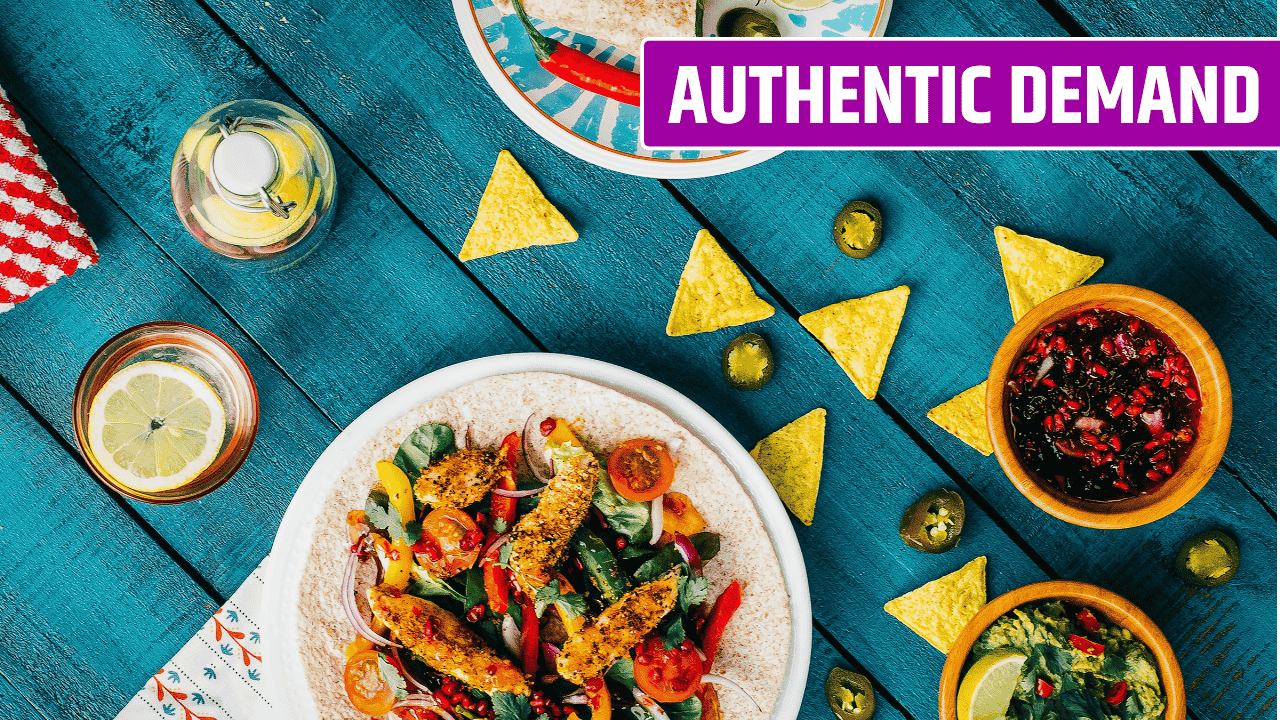
In the ever-evolving world of dining, where fusion trends once dominated restaurant menus, authentic Mexican cuisine is making a powerful comeback — and, more importantly, it’s earning the trust of diners in ways fusion concepts no longer can. Across the United States and around the world, food lovers are turning back toward genuine, heritage-driven Mexican cooking, favoring its depth, history, and honesty over experimental mashups that often blur cultural lines.
This shift represents more than just a culinary trend — it’s a cultural awakening. Diners today crave authenticity, transparency, and connection, values deeply rooted in traditional Mexican cooking. From the handmade tortillas of Oaxaca to the moles of Puebla, authentic Mexican cuisine speaks to something timeless: food with a soul, crafted by tradition rather than trend.
A Cultural Return to Authenticity

The pendulum of food culture has swung back toward authenticity. After years of dining fads — fusion tacos, sushi burritos, and deconstructed “global” bowls — consumers have begun to seek meals that feel real, rooted, and culturally respectful.
Authentic Mexican cuisine embodies those values. It’s based on centuries-old culinary techniques, indigenous ingredients, and family traditions passed down through generations. These elements lend it a credibility and emotional depth that fusion food often lacks.
Fusion food, while creative, can sometimes feel like performance — a clever but fleeting novelty. Authentic Mexican cuisine, by contrast, feels genuine and grounded. Diners can sense when food is made with intention and respect for its origins — and that sincerity builds trust.
The Power of Cultural Storytelling

Authentic Mexican cuisine connects people not only through taste but through storytelling. Every dish tells a narrative — of region, family, history, and survival.
For example:
- Mole poblano isn’t just a sauce; it’s a culinary tapestry of indigenous and colonial influences.
- Tamales represent community and celebration, often made together during holidays and family gatherings.
- Nixtamalized corn tortillas carry thousands of years of agricultural and spiritual significance.
When diners experience these stories, they’re not just eating food — they’re participating in culture. That emotional connection builds lasting loyalty. In a time when people value meaning over marketing, this authenticity gives Mexican cuisine an emotional and ethical advantage over trend-based fusion restaurants.
Trust Built on Transparency and Craft

Modern diners are more informed and selective than ever. They care about where their food comes from, how it’s made, and who’s making it.
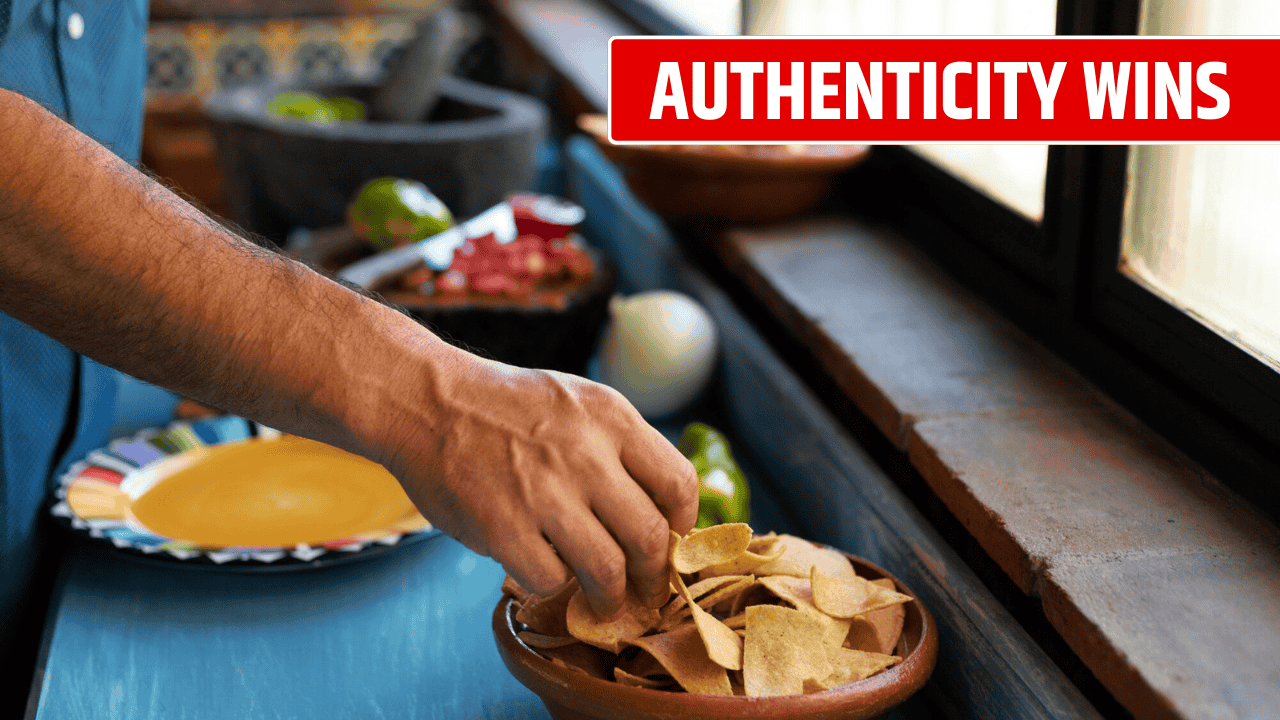
Authentic Mexican restaurants often embrace transparency naturally — cooking in open kitchens, using handmade methods, and sourcing fresh, local ingredients. The craft is visible: tortillas are pressed by hand, salsas are ground in molcajetes, and meats are slow-cooked over traditional techniques like asado and barbacoa.
Fusion concepts, on the other hand, often hide behind buzzwords or global gimmicks. When cuisines are blended without cultural understanding, the result can feel hollow — a concept rather than a craft. Authentic Mexican cooking earns trust because it doesn’t need to reinvent itself to be relevant. Its quality speaks through its technique and honesty.
A Growing Appreciation for Culinary Heritage
The rise of authenticity also reflects a broader movement toward cultural respect and representation in food.
For decades, many “Mexican-inspired” or fusion restaurants offered watered-down versions of traditional dishes — over-cheesed enchiladas, crunchy-shell tacos, and Tex-Mex hybrids that misrepresented the cuisine’s complexity. Today, thanks to chefs, historians, and communities who’ve worked to reclaim Mexican culinary heritage, diners are learning the difference between imitation and authenticity.
Restaurants like Guelaguetza in Los Angeles, Cosme in New York, and Mi Tocaya in Chicago are leading this renaissance by showcasing true regional flavors and educating diners about the diversity of Mexican gastronomy.
This cultural awakening is not just about flavor — it’s about honor and ownership. Diners trust authentic Mexican food because it honors its origins instead of exploiting them.
Authenticity and Health: A Natural Fit
Another reason authentic Mexican cuisine is winning over modern diners is its alignment with health-conscious eating.
Traditional Mexican food emphasizes natural, whole ingredients — corn, beans, vegetables, herbs, and lean proteins — all prepared with minimal processing. Fusion food, by contrast, often prioritizes visual appeal or novelty over nutritional integrity.
In an era where wellness and clean eating dominate consumer choices, authentic Mexican dishes like grilled fish tacos, cactus salad (nopales), and fresh salsas resonate with health-conscious diners. It’s comfort food that feels wholesome and balanced — and that further reinforces consumer trust.
The Decline of “Cultural Confusion”
Fusion food has always walked a fine line between innovation and cultural confusion. While some chefs masterfully blend cuisines with respect, others create combinations that feel disjointed or disrespectful to the traditions they borrow from.
Consumers are now more aware of cultural appropriation in food, and they’re holding restaurants accountable for how they represent heritage cuisines. Authentic Mexican establishments — often family-run, community-rooted, and staffed by Mexican chefs — stand out as credible and culturally responsible alternatives.
Diners trust these restaurants not only for their flavor but for their integrity. In a diverse and socially aware dining landscape, integrity is one of the strongest currencies a restaurant can hold.
Social Media and the New Definition of Authentic
Interestingly, social media has amplified the appeal of authenticity. Platforms like Instagram and TikTok have made food storytelling more visual and personal. Diners now want to see the human side of cuisine — the hands grinding chiles, the abuelas rolling tamales, the street vendors serving tacos with care.
Authentic Mexican food thrives in this space because it’s visually captivating and emotionally genuine. The bright colors, rustic textures, and cultural rituals all translate beautifully on camera. But more importantly, the authenticity behind these visuals rings true.
Fusion concepts, though often photogenic, can come across as performative — style over substance. Authentic Mexican cuisine captures hearts because it’s real, relatable, and rooted in lived experience.
Economic and Business Trust
From a business standpoint, authenticity also breeds brand trust and loyalty. Customers who feel emotionally connected to a restaurant’s mission are more likely to become repeat visitors and advocates.
Mexican restaurants that champion tradition and transparency — sourcing from local farmers, supporting cultural education, and honoring recipes — earn reputations as trustworthy brands. Their consistency and honesty make them reliable choices in an industry where trends fade quickly.
Fusion restaurants, while exciting, often struggle with longevity because their appeal depends on novelty. Authentic establishments thrive because they’re timeless, not trendy.
FAQs
Why do people prefer authentic Mexican food over fusion cuisine?
Because it feels real, culturally respectful, and emotionally satisfying — not contrived or trend-driven.
What defines authentic Mexican cuisine?
The use of traditional ingredients, regional recipes, and time-honored techniques rooted in Mexican culture and history.
Is fusion food losing popularity?
Not entirely, but diners are shifting toward authenticity and cultural transparency rather than novelty for novelty’s sake.
How do authentic Mexican restaurants build trust?
Through honesty, visible craftsmanship, cultural storytelling, and a consistent commitment to quality.
What makes authentic Mexican food timeless?
Its deep connection to heritage and its ability to blend comfort, health, and culture in every bite.