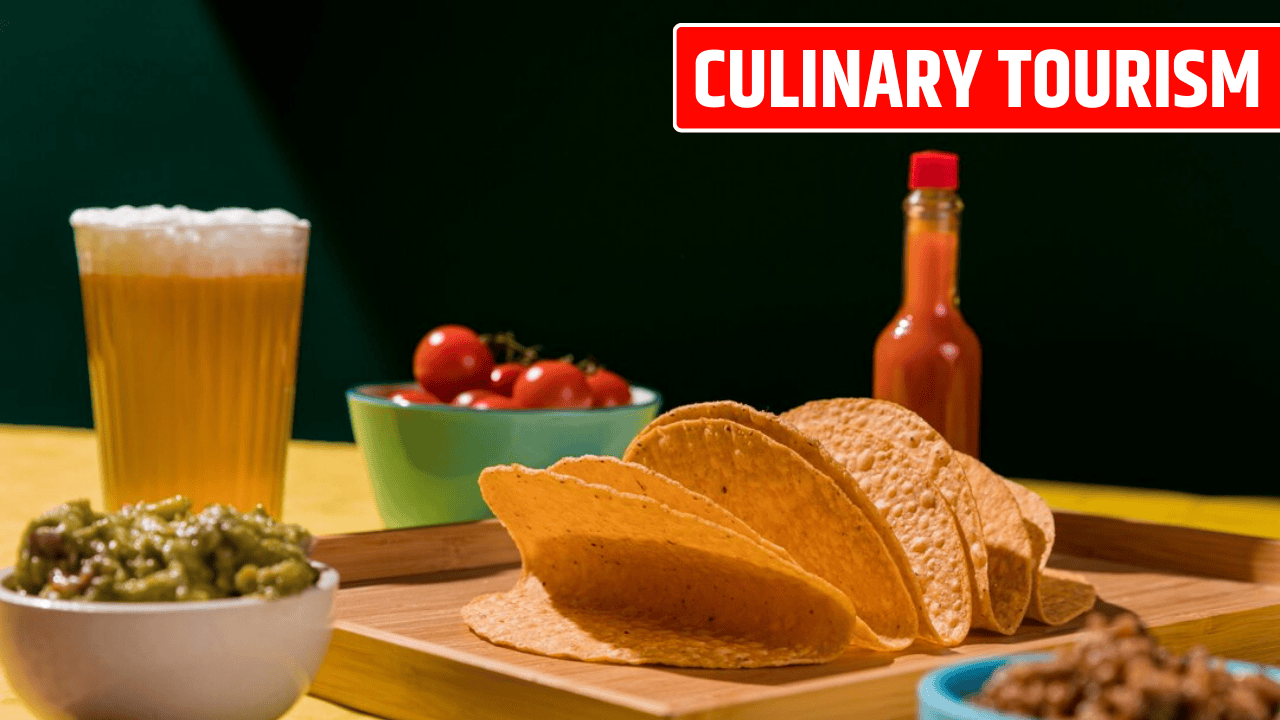
In recent years, Mexican cuisine has become one of the most powerful forces driving food tourism, both within Mexico and in Mexican-inspired destinations across the United States. What was once known mainly for tacos and burritos has blossomed into a globally respected culinary experience — one that attracts travelers eager to taste authenticity, heritage, and innovation.
From Oaxaca’s mole markets to Los Angeles’ taquerias and New York’s upscale Mexican eateries, food tourism built around Mexican cuisine has evolved into a multi-billion-dollar industry. Visitors are no longer just seeking beaches or landmarks; they’re traveling for flavors, stories, and cultural connection — and Mexican food delivers all three.

Let’s explore how Mexican cuisine is transforming the travel experience and boosting tourism in popular destinations worldwide.
A Global Appetite for Authentic Mexican Flavors
Mexican food has always been about more than sustenance — it’s about culture, community, and creativity. With UNESCO recognizing traditional Mexican cuisine as an Intangible Cultural Heritage of Humanity, travelers now see it as something worth exploring, studying, and celebrating.
This growing global recognition has sparked culinary curiosity. Tourists are increasingly booking trips to destinations known for specific regional cuisines — such as Oaxaca for moles, Yucatán for cochinita pibil, and Baja California for seafood and wine pairings. These journeys are not just about eating; they’re immersive cultural experiences that teach travelers the history and identity of Mexico through its food.

Authenticity is the magnet. Modern food tourists want real, local, hand-crafted dishes — not watered-down versions. Mexican cuisine’s blend of indigenous traditions and Spanish influence offers that authenticity in abundance, making it one of the most travel-worthy culinary heritages in the world.
The Rise of Culinary Travel in Mexico
In Mexico itself, food tourism has exploded. Cities and regions once known only for sightseeing or resorts are now becoming international dining destinations.
Oaxaca – The Spiritual Heart of Mexican Cuisine
Often called the “food capital of Mexico,” Oaxaca draws food lovers with its deep-rooted Indigenous traditions, colorful markets, and world-famous moles. Cooking classes, mezcal tastings, and guided market tours have become major tourism attractions.
Mexico City – Fine Dining Meets Street Food

Mexico City’s culinary scene combines sophistication and authenticity. With Michelin-recognized restaurants like Pujol and Quintonil leading the way, and countless street vendors offering tacos al pastor and tamales, it’s a foodie’s paradise. Travelers come for the contrast — from $2 tacos to $200 tasting menus — all deeply rooted in Mexican flavor.
Yucatán and Riviera Maya – Ancient Flavors and Modern Resorts
In the Yucatán Peninsula, ancient Mayan recipes meet luxury resort dining. Visitors enjoy dishes like sopa de lima, cochinita pibil, and panuchos, often paired with local ingredients like habanero, sour orange, and tropical fruits. Culinary tours in Mérida and coastal areas are now as popular as beach excursions.
Baja California – Where Food Meets Wine
The Valle de Guadalupe region has become Mexico’s wine and fine-dining capital. Its blend of Baja seafood, farm-to-table ingredients, and boutique wineries attracts travelers seeking sustainability and sophistication. “Baja Med” cuisine — a fusion of Mexican, Mediterranean, and Asian flavors — has become a signature culinary style that lures international visitors.
Together, these regions have transformed Mexico into a top-tier destination for culinary tourism, rivaling France, Italy, and Japan.
Mexican Cuisine’s Impact on U.S. Food Tourism
Beyond Mexico’s borders, Mexican food tourism is thriving in the United States, especially in cities with strong Mexican heritage and culinary creativity.
Los Angeles:
A global taco hub, Los Angeles offers everything from street vendors in Boyle Heights to innovative Mexican tasting menus in Downtown LA. Tourists seek out experiences like Smorgasburg LA’s Taco Stand Alley and Tacolandia, where local taqueros showcase their craft.
Chicago:
Home to Michelin-starred Mexican restaurants like Topolobampo and Mi Tocaya Antojería, Chicago has built a reputation for elevating Mexican cuisine into fine dining while keeping its soul intact. The city also hosts Festival del Taco and Taste of Mexico, major draws for culinary tourists.
Austin and San Antonio:
Texas cities are redefining Mexican-American food culture through Tex-Mex and authentic regional dishes. Food tours and festivals highlight the fusion of heritage and innovation that defines these culinary hubs.
New York City:
NYC’s upscale Mexican dining scene — led by restaurants like Cosme, Claro, and Oxomoco — has turned the cuisine into a symbol of modern luxury dining. Travelers visit specifically to explore how traditional Mexican flavors translate into Michelin-level artistry.
In each of these cities, Mexican food has become an essential part of the local travel experience, helping restaurants thrive while attracting both domestic and international visitors.
Food Festivals as Travel Magnets
Mexican food festivals are also key drivers of culinary tourism. Events such as Vive el Taco Fest, Taste of Mexico, and Taco & Tequila Festival draw thousands of attendees from around the world.
These festivals give tourists a one-stop immersion into Mexican culture — complete with traditional music, art, and regional dishes. Local restaurants, chefs, and beverage brands benefit immensely from these events, which often lead to long-term tourism growth.
Festival tourism, in turn, boosts entire local economies by supporting hotels, transport, artisans, and small food vendors. For travelers, these festivals provide an unforgettable experience that blends flavor, festivity, and cultural education.
Culinary Tours, Cooking Classes, and Market Experiences
Another reason Mexican cuisine is driving food tourism is the hands-on experience it offers. Travelers don’t just want to eat — they want to cook, learn, and connect.
Many destinations now feature immersive culinary experiences:
- Cooking classes that teach the art of making tortillas, tamales, and mole from scratch.
- Market tours where guides explain native ingredients like huitlacoche, epazote, and dried chiles.
- Agave spirit workshops offering tequila and mezcal tastings paired with authentic dishes.
These experiences deepen travelers’ appreciation for Mexican culture and create powerful memories that go far beyond sightseeing.
Food becomes storytelling — and travelers return home as ambassadors for Mexican cuisine
Sustainability and Farm-to-Table Influence
Modern food tourists care about sustainability, and Mexican cuisine’s farm-to-table philosophy aligns perfectly with that mindset.
In regions like Oaxaca and Baja California, chefs emphasize local sourcing, indigenous farming, and ancestral cooking methods, showcasing Mexico’s rich agricultural heritage. Restaurants proudly highlight heirloom corn, native cacao, and organic produce.
This sustainable approach has inspired a new generation of “eco-food travelers” who value ethical dining and cultural preservation. As a result, culinary tourism rooted in Mexican tradition also supports environmental and social responsibility, strengthening local communities while preserving heritage.
The Role of Social Media and Culinary Storytelling
Social media has amplified Mexican cuisine’s influence on travel. Vibrant dishes, from colorful tostadas to smoky mezcal cocktails, are highly shareable and visually stunning — ideal for Instagram and TikTok.
Travel influencers and food vloggers frequently showcase Mexican markets, street food stalls, and fine-dining restaurants, inspiring followers to visit those places themselves. Hashtags like #MexicanFoodTour and #TasteofMexico now represent a global movement that merges travel with culture.
This digital storytelling has turned cities like Oaxaca, Mexico City, and Tulum into bucket-list destinations for food lovers worldwide.
Economic Impact and Global Recognition
According to tourism studies, culinary travelers spend up to 25% more than other types of tourists. Mexican cuisine’s growing global fame has significantly contributed to tourism revenue, job creation, and local entrepreneurship.
In both Mexico and the U.S., restaurant owners, chefs, and food producers have benefited from this boom. Culinary travel has also elevated Mexico’s status as a global gastronomic powerhouse, helping to preserve traditional foodways while fueling innovation and economic growth.
This synergy of culture and commerce ensures that food remains a central pillar of Mexico’s — and Mexican-American communities’ — tourism industries for years to come.
Conclusion
Mexican cuisine has become one of the most powerful drivers of food tourism in today’s travel landscape. With its fusion of history, artistry, and authenticity, it invites visitors to experience culture through taste.
From mezcal tastings in Oaxaca to taco tours in Los Angeles, Mexican food tells a story that transcends borders — a story of tradition, innovation, and community. It not only enriches travelers’ experiences but also sustains local economies, empowering chefs, artisans, and restaurateurs alike.
In the world of travel, food is memory — and Mexican cuisine, with its color, spice, and soul, continues to shape unforgettable journeys around the globe.
FAQs
Why is Mexican cuisine important for food tourism?
Because it combines authenticity, cultural depth, and diversity, offering travelers immersive culinary experiences that go beyond eating.
Which destinations are best known for Mexican food tourism?
Oaxaca, Mexico City, Yucatán, and Baja California in Mexico — and Los Angeles, Chicago, and New York in the U.S.
How does Mexican food benefit local businesses?
It boosts restaurant sales, creates tourism jobs, and supports small producers and artisans.
What makes Mexican cuisine appealing to international travelers?
Its balance of flavor, authenticity, and storytelling offers an emotional and cultural connection that few cuisines can match.
Will Mexican food tourism continue to grow?
Absolutely. As global interest in authentic and experiential travel rises, Mexican cuisine will remain a leading force in culinary tourism.