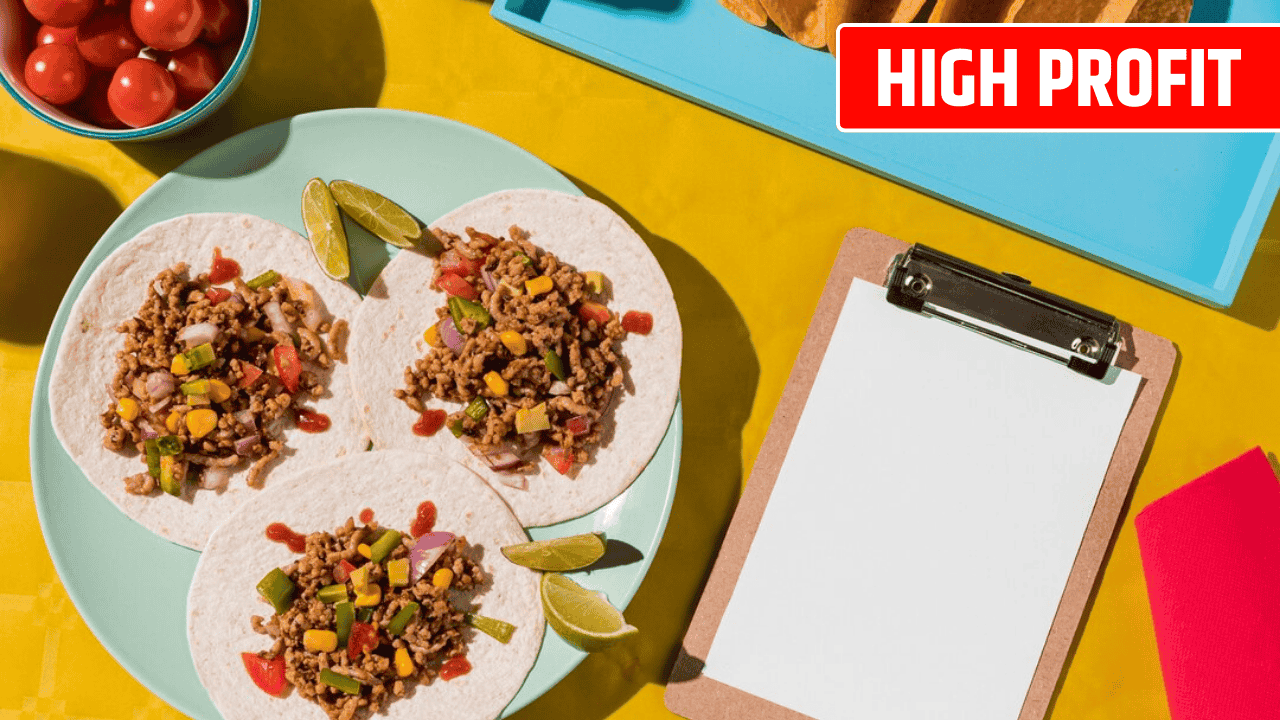
In the competitive world of dining, few restaurant categories have achieved the consistent success, adaptability, and profitability of Mexican restaurants. From humble taquerias and bustling food trucks to upscale cantinas and nationwide franchises, Mexican cuisine has proven to be one of the most lucrative segments in the U.S. food industry.
While the bold flavors and cultural appeal of Mexican food have undoubtedly fueled its popularity, the true secret behind its profitability lies in a blend of smart business dynamics: affordable ingredients, high demand, versatility, and strong margins. Mexican restaurants don’t just sell food — they sell an experience that’s festive, authentic, and scalable.

Let’s explore why Mexican restaurants are widely regarded as one of the most profitable food businesses today.
1. Affordable Ingredients, High Margins
One of the biggest factors driving profitability in Mexican restaurants is the low cost of raw ingredients.
Core components like beans, rice, corn, vegetables, and chiles are inexpensive, versatile, and easy to store. Even premium ingredients — avocados, cheese, and meats — can be portioned strategically without compromising flavor.

This makes the food cost percentage (the portion of revenue spent on ingredients) significantly lower than that of many other cuisines. Most successful Mexican restaurants maintain a food cost margin of 25–30%, compared to 35–40% in other dining formats.
Meanwhile, menu items like tacos, burritos, enchiladas, and nachos deliver strong perceived value to customers — meaning diners are willing to pay premium prices for dishes that cost relatively little to prepare.
This combination of low input costs and high perceived value is the cornerstone of profitability.
2. Broad Market Demand and Cultural Familiarity

Mexican food enjoys universal appeal across all demographics. It’s flavorful, affordable, and adaptable — making it a favorite for families, college students, professionals, and late-night diners alike.
Unlike niche cuisines, Mexican food has become mainstream in American culture. Whether it’s Taco Tuesday at a local bar or a burrito bowl at a national chain, customers see Mexican dishes as everyday comfort food rather than “ethnic” or occasional dining.
This broad appeal ensures consistent foot traffic throughout the week, reducing the seasonality that often affects other restaurant categories. It also helps restaurants succeed in diverse markets — from small towns to big cities.
Simply put, Mexican food sells everywhere, and that reliable demand translates into steady profits.
3. Menu Versatility and Scalability
Mexican cuisine is one of the most scalable and flexible food concepts in the industry.
Its dishes are built from a few interchangeable ingredients — proteins, beans, rice, salsas, tortillas — that can be assembled into countless combinations. This allows restaurants to offer a wide variety of items while maintaining operational simplicity.
From an efficiency standpoint, this is gold:
- Fewer ingredients mean lower inventory costs and less waste.
- Streamlined prep enables faster service and higher table turnover.
- The model is easy to replicate across multiple locations.
This modular system also makes Mexican restaurants ideal for different formats — fast casual, dine-in, takeout, catering, or food trucks. Investors and entrepreneurs love that flexibility because it minimizes risk while maximizing growth potential.
4. Strong Beverage Sales
In Mexican dining, the food is only half the story — the drinks are the other profit powerhouse.
Tequila, mezcal, and margaritas are among the most profitable items on any menu. Alcoholic beverages often have markups of 300% or more, significantly boosting revenue. Cocktails like palomas, micheladas, and flavored margaritas are not only trendy but also inexpensive to produce compared to their sale price.
Even non-alcoholic options — horchata, aguas frescas, and Mexican sodas — have solid profit margins and enhance the dining experience.
This combination of vibrant cuisine and festive beverage culture creates a complete dining experience that encourages longer visits and higher average check sizes.
5. High Volume and Repeat Business
Mexican restaurants thrive on high-volume sales.
Dishes are quick to prepare and serve, allowing restaurants to turn tables faster or serve more customers through takeout and delivery. The relatively low price points also encourage repeat visits — diners can enjoy Mexican food multiple times a week without breaking their budget.
Events like Taco Tuesday or happy hour specials further drive consistent midweek business, filling times that might otherwise be slow for other restaurants.
In essence, Mexican food’s affordability, speed, and comfort factor translate to customer loyalty and recurring revenue, key ingredients for long-term profitability.
6. Adaptability to Market Trends
Another major strength of Mexican restaurants is their ability to adapt to evolving food trends.
Health-conscious diners can enjoy grilled fish tacos or burrito bowls loaded with fresh veggies. Vegans can choose plant-based fillings like mushrooms, jackfruit, or black beans. Gluten-free customers can opt for corn tortillas or rice-based dishes.
Mexican cuisine’s flexibility means it can easily accommodate modern dietary preferences — a competitive advantage in today’s health-driven market.
This adaptability ensures that Mexican restaurants stay relevant and continue to attract diverse audiences, keeping profits steady even as consumer trends change.
7. Low Entry Costs for Entrepreneurs
Compared to other restaurant models, starting a Mexican restaurant often requires lower startup costs.
Many concepts — such as taco trucks, pop-ups, or takeout-only kitchens — can launch with limited capital. The simple menus and equipment requirements keep overhead manageable, allowing new business owners to turn profits quickly.
For franchisors, this affordability also means rapid expansion. The Mexican fast-casual segment has exploded because franchisees can enter the market at relatively low cost while enjoying strong brand recognition and customer demand.
This accessibility has made the Mexican restaurant model one of the most attractive investments in the food service industry.
8. Emotional Connection and Cultural Experience
Beyond numbers, one of the key reasons Mexican restaurants succeed is their emotional resonance.
Mexican cuisine is not just about eating — it’s about celebration, warmth, and community. The music, colors, and atmosphere create experiences that go beyond the plate. Customers associate Mexican dining with joy and togetherness, which encourages frequent visits and positive word-of-mouth.
That emotional connection builds brand loyalty—an invaluable asset that keeps customers returning and recommending their favorite spots to others.
In short, Mexican restaurants profit not only from what they sell but from how they make people feel.
9. Year-Round Profitability and Multi-Revenue Streams
Mexican restaurants also benefit from year-round appeal and diversified revenue sources.
Catering, takeout, delivery, and special events (like fiestas or tequila tastings) all provide additional income beyond in-house dining. Mexican food’s portability and crowd-pleasing nature make it a top choice for everything from office lunches to weddings.
The cuisine’s association with holidays like Cinco de Mayo and Día de los Muertos also provides built-in opportunities for marketing and themed promotions that boost seasonal sales.
Unlike seasonal or niche cuisines, Mexican restaurants enjoy consistent business throughout the year, further reinforcing their financial stability.
FAQs
Why are Mexican restaurants so profitable?
They rely on inexpensive ingredients, efficient operations, and high customer demand, leading to strong profit margins.
What kind of Mexican restaurant is most lucrative?
Fast-casual taquerias and dine-in cantinas with strong beverage programs tend to generate the highest returns.
Do Mexican restaurants have high startup costs?
Not typically. Many models, such as food trucks or small taquerias, require lower initial investment than other restaurant types.
Are Mexican restaurants recession-resistant?
Yes. Their affordability and comfort appeal help maintain steady demand even during economic downturns.
What makes customers loyal to Mexican restaurants?
The combination of flavor, authenticity, and cultural warmth creates emotional connections that keep diners coming back.