Mexican restaurants have become a cornerstone of the American dining scene, transforming from small family-run eateries into some of the most successful and profitable ventures in the restaurant industry. With billions of dollars in annual revenue and a presence in nearly every U.S. city, these establishments have not only captured America’s taste buds but also its business imagination.
Behind the tacos, salsas, and margaritas lies a fascinating story of entrepreneurship, adaptability, and cultural connection. The success of Mexican restaurants isn’t just about food — it’s about how they’ve mastered the art of blending authenticity with innovation, community with commerce, and tradition with scalability.
The Power of Authenticity and Emotional Branding

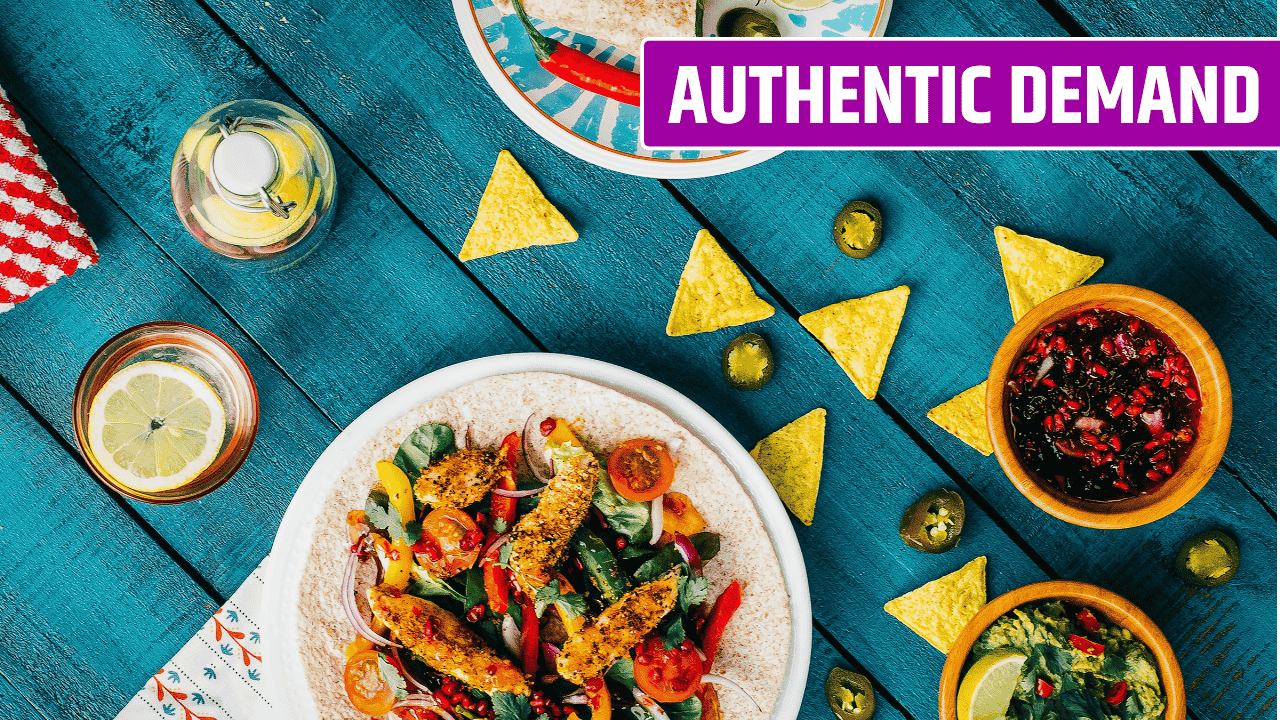
The first secret to the success of Mexican restaurants is simple but powerful: authenticity sells.
Consumers today, especially Millennials and Gen Z, crave real experiences. They want to know where their food comes from, who made it, and what story it tells. Mexican restaurants that emphasize their cultural roots — from traditional recipes to handcrafted décor — build an emotional bond with customers that generic chains cannot match.
This authenticity becomes part of their brand identity. Whether it’s a small taqueria or a polished restaurant group, the most successful businesses use cultural storytelling to differentiate themselves. They don’t just serve enchiladas and tacos — they serve pieces of Mexican history and pride, wrapped in flavor and hospitality.

Restaurants like Guelaguetza in Los Angeles or Cosme in New York demonstrate how heritage and heart can be just as marketable as menu items. Their success proves that diners are willing to pay more for food that feels genuine, soulful, and connected to its origins.
Versatility: One Cuisine, Endless Formats
One of the biggest business strengths of Mexican cuisine is its versatility. Mexican food adapts seamlessly across different restaurant models — from food trucks to fine dining, quick-service chains to cocktail lounges.
- Fast casual brands like Chipotle, Qdoba, and TacoTime dominate the market with efficient, customizable menus.
- Family-run taquerias thrive in local communities with low overhead and loyal customer bases.
- Upscale restaurants like Casa Carmen and Mírame cater to luxury diners seeking premium experiences.
- Food trucks and pop-ups keep the cuisine trendy and mobile.
This flexibility allows entrepreneurs to target diverse markets and price points. Mexican cuisine is one of the few that can be affordable and aspirational at the same time, appealing to every demographic while retaining its cultural identity.
Smart Cost Structures and High Profit Margins

From a business perspective, Mexican restaurants have a key advantage: efficient ingredient costs and strong profit margins.
Many traditional Mexican ingredients — corn, beans, rice, vegetables, and chiles — are affordable yet flavorful. This allows restaurants to maintain excellent food cost ratios while offering abundant, satisfying portions. Add-ons like guacamole, cheese, or premium meats create upselling opportunities without major cost increases.
In fast casual and quick-service models, streamlined menus and limited waste further boost profitability. High-margin items like margaritas and tequila cocktails enhance beverage sales, often accounting for 30–40% of total profits in sit-down restaurants.
In short, Mexican restaurants thrive because their menus are economically efficient and emotionally fulfilling — a rare combination in the restaurant business.
Community-Centered Business Models
Another secret to success is how deeply Mexican restaurants connect with community and culture.
Mexican dining traditions emphasize sharing, warmth, and togetherness — values that naturally translate into customer loyalty. Many Mexican restaurants serve as cultural anchors, not just eateries. They host local events, sponsor community festivals, and support neighborhood initiatives.
This creates strong emotional equity and word-of-mouth marketing — the most powerful and inexpensive form of promotion. Customers return not just for the food, but because they feel like part of a family.
From small-town taquerias to urban cantinas, this community-first approach turns casual diners into long-term patrons and transforms restaurants into trusted neighborhood institutions.
Innovation Without Losing Identity
The most successful Mexican restaurants know how to evolve without erasing tradition. They adapt to trends — veganism, sustainability, fusion — while staying true to their roots.
Menus now feature items like:
- Plant-based tacos with mushrooms, jackfruit, or nopales (cactus).
- Sustainable seafood in Baja-inspired ceviches.
- Creative fusions like Korean tacos or birria ramen.
By balancing innovation with authenticity, Mexican restaurants stay relevant to younger, trend-driven audiences while honoring their culinary heritage. This ability to pivot with the market ensures longevity in an industry where many restaurants fail within their first five years.
Marketing That Feels Like a Fiesta
Mexican restaurants excel at marketing experiences rather than products.
Bright colors, upbeat music, and lively atmospheres create emotional associations with fun, flavor, and festivity. Social media plays a major role, with visually striking plates and cocktail photos generating organic buzz.
Promotions like Taco Tuesday, Cinco de Mayo events, and happy-hour specials drive consistent traffic. Meanwhile, Instagram-worthy interiors — think neon “Tequila Made Me Do It” signs and tiled walls — turn dining into an experience people want to share online.
This fusion of hospitality, culture, and digital engagement keeps Mexican restaurants at the center of social dining trends.
The Rise of the Mexican Beverage Economy
One of the most profitable aspects of Mexican restaurants is their beverage program.
Tequila and mezcal sales have skyrocketed in the United States, growing faster than vodka and whiskey. Cocktails like margaritas, palomas, and mezcal mules not only complement the cuisine but also offer high-margin profitability.
Many restaurants now focus on craft agave programs, offering curated tastings, mixology experiences, and educational events. This has positioned Mexican restaurants as cocktail destinations, further diversifying their revenue streams and elevating brand perception.
The Fast-Casual Blueprint: Efficiency Meets Freshness
If there’s one business model that defines modern Mexican restaurant success, it’s the fast-casual format.
By combining quick service with quality ingredients, restaurants like Chipotle, Dos Toros, and Cava (Mexican division) revolutionized the industry. Customers get the customization and freshness of casual dining with the speed and affordability of fast food.
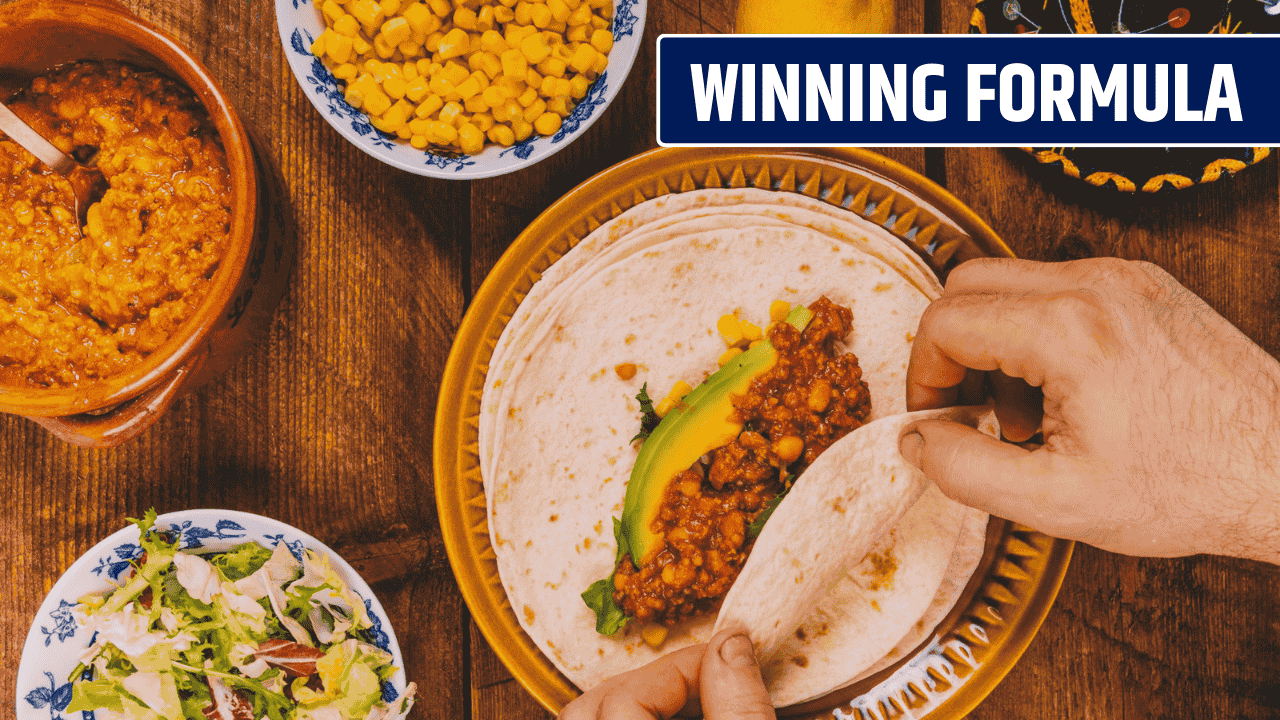
This model works because it reflects the natural adaptability of Mexican cuisine — simple components, layered variety, and bold flavor combinations. It’s operationally efficient, easily scalable, and cost-effective, which is why investors and entrepreneurs continue to flock to the sector.
A Multigenerational Workforce and Legacy Building
Many Mexican restaurants in the U.S. are family-owned, passed down from one generation to the next. This continuity creates stability, strong leadership, and deep-rooted brand identity.
Family members often handle key roles — from cooking and management to finances and marketing — keeping costs low and preserving authenticity. This generational model ensures that recipes, traditions, and values remain intact even as the business expands.
For larger chains, employing a diverse workforce with strong ties to culture helps maintain brand credibility and connection to heritage, even at scale.
FAQs
Why are Mexican restaurants so successful in the U.S.?
Because they combine affordability, authenticity, and adaptability — appealing to a broad range of customers while maintaining strong profit margins.
Do Mexican restaurants make high profits?
Yes. Efficient ingredients, customizable menus, and strong beverage sales help maintain excellent margins.
How do Mexican restaurants attract loyal customers?
Through community engagement, cultural authenticity, and emotional connections built around shared experiences.
What makes Mexican cuisine easy to scale?
Its versatility, cost-effective ingredients, and universal appeal make it suitable for multiple business formats — from food trucks to franchises.
What business lessons can other restaurants learn from Mexican establishments?
To balance authenticity with innovation, prioritize storytelling, and create genuine emotional experiences for diners.