Mexican food has long held a special place in American dining culture, but in recent years, it has become the undisputed favorite among Millennials and Gen Z. From late-night tacos to trendy mezcal bars and customizable burrito bowls, younger generations are fueling an unprecedented rise in the popularity of Mexican cuisine.
What makes this generation’s love affair with Mexican food so strong isn’t just flavor — it’s philosophy. For Millennials and Gen Z, food is an extension of identity, values, and lifestyle. Mexican cuisine, with its authenticity, flexibility, and community-centered culture, perfectly aligns with how younger Americans see the world: diverse, expressive, and connected.
Cultural Authenticity Meets Modern Values

Millennials and Gen Z have grown up in a world that values authenticity over imitation. They crave genuine cultural experiences — not corporate fast food disguised as “ethnic cuisine.” Mexican food delivers exactly that.
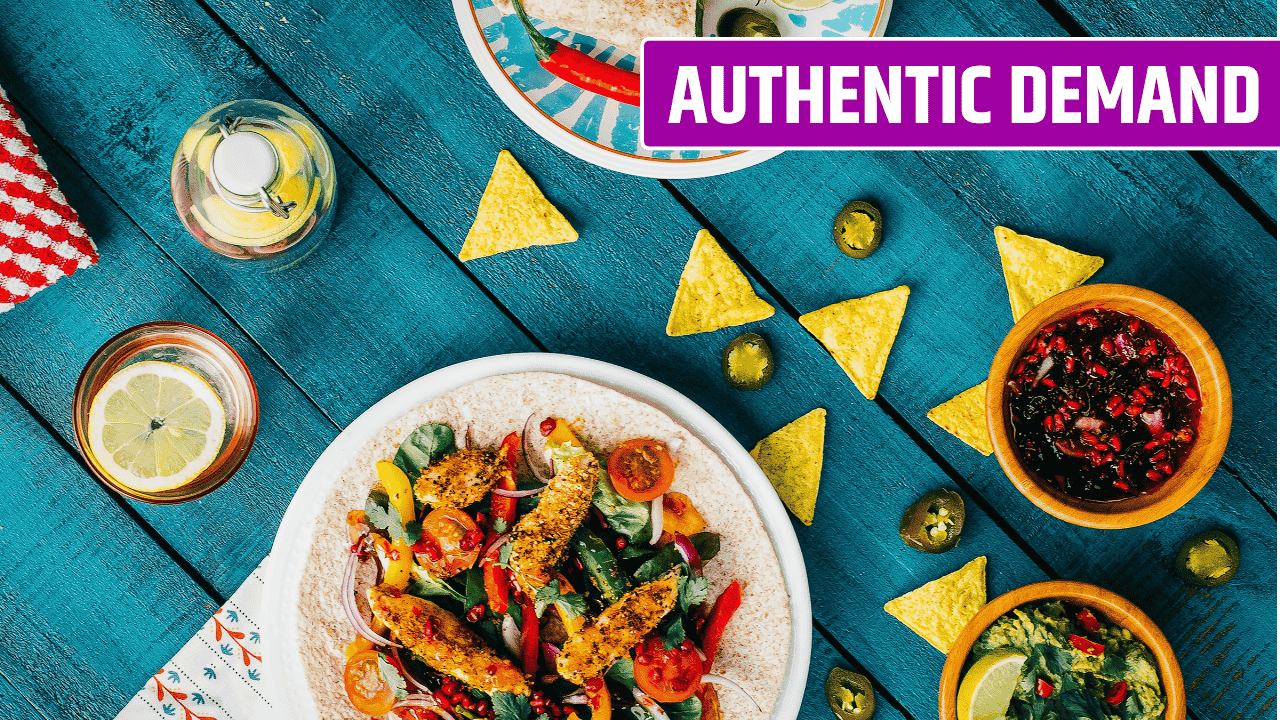
Unlike overly processed meals, traditional Mexican dishes are made from fresh, natural ingredients: corn, beans, tomatoes, avocados, citrus, and chiles. The food feels real, earthy, and handcrafted — qualities that resonate deeply with generations who prioritize transparency, quality, and cultural integrity.
Moreover, Mexican cuisine offers a sense of heritage and story. From tacos al pastor to tamales and mole, each dish tells a tale of regional identity, indigenous influence, and generations of culinary wisdom. This storytelling aspect appeals to young diners who seek more than just flavor — they want connection and meaning in every bite.
The Customization Culture: Food for Every Lifestyle

One of the biggest reasons Mexican food dominates among Millennials and Gen Z is its adaptability. These generations demand choice — and Mexican cuisine offers endless ways to personalize meals.
A taco or burrito can be whatever the diner wants it to be:
- Vegan? Load it with black beans, grilled veggies, and guacamole.
- High-protein? Add steak, chicken, or shrimp.
- Gluten-free? Use corn tortillas or bowls.
- Keto-friendly? Skip the rice and pile on the cheese and salsa.
This freedom to build a meal according to one’s diet, mood, or ethics has made Mexican restaurants — especially fast-casual chains like Chipotle, Qdoba, and Moe’s — major favorites among younger demographics. The model of “build-your-own” aligns perfectly with Gen Z’s sense of individuality and control over their food choices.
Flavor and Experience: Bold, Social, and Shareable

Millennials and Gen Z love experiences — and Mexican cuisine is inherently vibrant, social, and sensory.
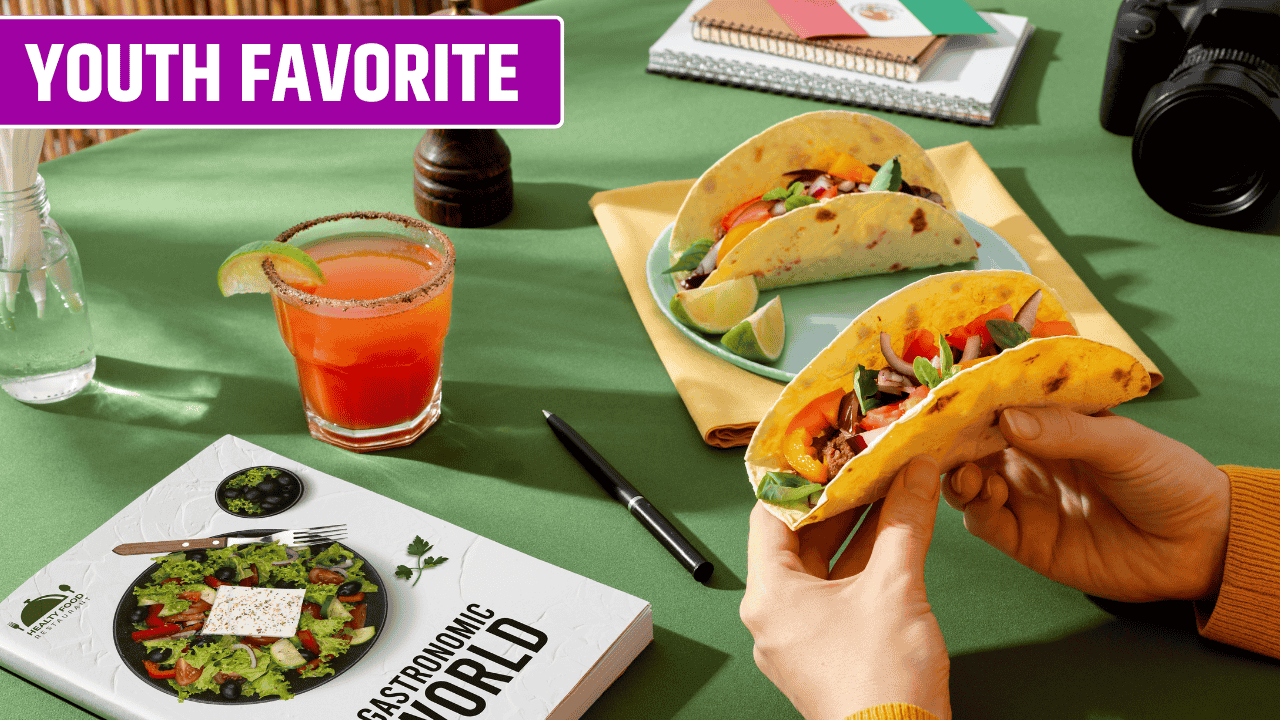
Bright flavors, colorful plating, and spicy aromas make every meal exciting. Sharing tacos or nachos with friends feels communal and fun, while sipping on margaritas or aguas frescas adds to the vibe. This sense of connection makes Mexican food perfect for social dining, whether at restaurants, pop-up taquerias, or festivals.
On top of that, Mexican food is highly photogenic. Vibrant salsas, street-style tacos, and aesthetic cocktails like micheladas and palomas light up social media feeds. For Gen Z — a generation defined by Instagram and TikTok — food that looks as good as it tastes is a major draw.
In short, Mexican cuisine is Instagram-ready and experience-driven, making it the ideal match for young diners who see dining out as both a social and visual event.
The Rise of Affordable, Quality Dining
Millennials and Gen Z are also value-conscious. They seek out affordable yet high-quality food — and Mexican cuisine delivers both.
Street tacos, burrito bowls, and quesadillas offer satisfying meals at reasonable prices, without sacrificing freshness or flavor. Whether it’s a $3 taco from a food truck or a gourmet mole dish at a modern restaurant, Mexican food fits nearly every budget.
The combination of accessibility and quality has allowed it to thrive in urban centers, college towns, and suburban markets alike. It’s comfort food that feels premium — without the premium price tag.
Health, Sustainability, and Conscious Eating
Another key reason younger generations love Mexican food is its alignment with health and sustainability trends.
Millennials and Gen Z are highly aware of what goes into their meals and where it comes from. Mexican cuisine naturally complements this mindset — with its reliance on plant-based ingredients, fresh produce, and ethical sourcing.
Modern Mexican chefs and restaurants are also leading the charge in:
- Supporting local farmers and sustainable agriculture.
- Using organic produce and grass-fed meats.
- Reducing waste through nose-to-tail and root-to-leaf cooking.
The cuisine’s traditional respect for the land — seen in Indigenous agricultural practices like milpa farming — resonates deeply with the eco-conscious attitudes of younger Americans.
For these generations, Mexican food doesn’t just taste good — it feels good to support.
Cultural Diversity and Representation
Millennials and Gen Z are the most diverse generations in U.S. history, and their food preferences reflect that inclusivity. They embrace cuisines that represent cultural diversity, global perspectives, and cross-cultural collaboration.
Mexican food, deeply woven into the fabric of American culture through immigration and community influence, symbolizes unity through diversity. Eating tacos in Los Angeles or mole in Chicago isn’t seen as “foreign” — it’s part of the shared American experience.
This cultural acceptance and celebration have made Mexican cuisine a symbol of community, creativity, and belonging — values that matter profoundly to younger Americans.
The Role of Innovation and Fusion
While authenticity is important, Millennials and Gen Z also love innovation — and Mexican cuisine’s versatility makes it a perfect canvas for experimentation.
Fusion concepts like Korean tacos, birria ramen, and avocado toast tacos have exploded on social media. Young chefs are blending traditional Mexican flavors with international influences, creating dishes that are fresh, unexpected, and exciting.
This balance between tradition and creativity mirrors the mindset of younger generations — rooted in respect for culture, but unafraid to reinvent it.
Digital Engagement and Brand Connection
The most successful Mexican restaurants today don’t just serve food — they build communities online.
Brands like Taco Bell and Chipotle have mastered digital marketing for younger audiences through humor, relatability, and interactive campaigns. Local taquerias use social media to highlight their authenticity and artistry. Diners, in turn, become brand ambassadors — sharing photos, tagging locations, and creating viral food moments.
Mexican cuisine’s social, visual, and approachable nature gives it a natural edge in the digital age. It thrives in the spaces where Millennials and Gen Z spend their time.
FAQs
Why do Millennials and Gen Z love Mexican food so much?
Because it’s flavorful, customizable, affordable, and culturally authentic — all qualities that align with their values and tastes.
Is Mexican food considered healthy by younger generations?
Yes. Its emphasis on fresh produce, lean proteins, and whole grains makes it a natural fit for health-conscious lifestyles.
Do younger diners prefer authentic or fusion Mexican food?
Both. They appreciate authenticity but also enjoy modern twists that reflect creativity and cultural blending.
What role does social media play in this trend?
A huge one — visually appealing dishes and vibrant restaurant experiences make Mexican food highly shareable online.
Will Mexican cuisine remain popular among future generations?
Absolutely. Its adaptability, depth, and cultural richness ensure it will continue to thrive across generations.