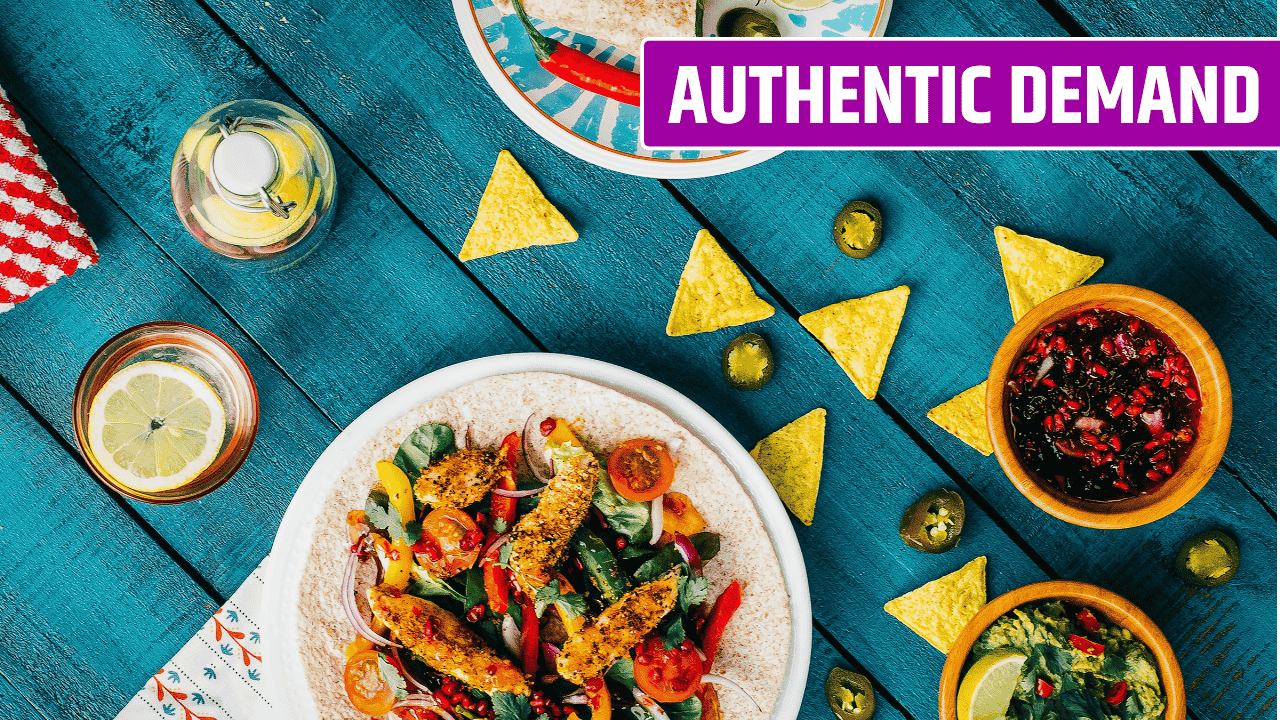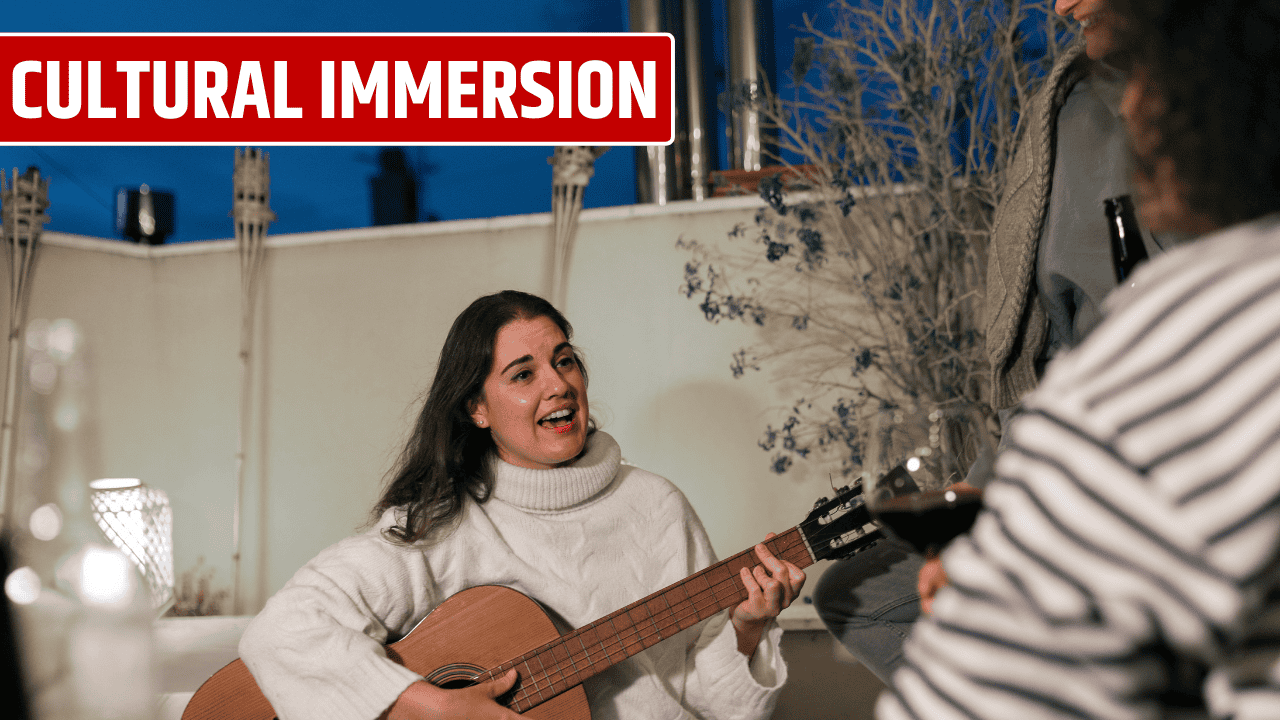
Mexican restaurants across the United States are evolving far beyond their culinary roots, creating immersive experiences that celebrate the richness of Mexican culture, music, and design. While the bold flavors of tacos, moles, and salsas remain central, the modern Mexican dining experience now engages all the senses — transforming restaurants into spaces of art, rhythm, and cultural pride.
In cities from Los Angeles to New York, restaurateurs are realizing that authenticity goes deeper than food. By weaving in Mexican artistry, vibrant décor, and the sounds of mariachi, bolero, or Latin jazz, they’re creating environments where diners don’t just eat Mexican food — they feel Mexico’s spirit. This approach is not only attracting diverse audiences but also redefining what it means to experience Mexican hospitality.
Cultural Storytelling Beyond the Plate

Modern diners are looking for more than just a good meal — they want connection and story. Mexican restaurants are embracing this shift by turning their spaces into cultural narratives.
Each restaurant tells its own version of Mexico:
- Oaxacan-inspired eateries might showcase handmade pottery and textiles from the region.
- Coastal-themed taquerias may feature oceanic murals and Baja surf culture.
- Urban cantinas often reflect Mexico City’s modern energy through neon art and contemporary design.
These visual stories allow customers to travel through Mexico’s diversity without leaving their seats. Every wall, color, and piece of décor carries meaning — from the talavera tiles symbolizing heritage craftsmanship to the papel picado banners representing joy and festivity.

The result? An experience that resonates emotionally and visually, fostering cultural appreciation and curiosity while inviting repeat visits.
The Power of Music: Setting the Mood with Authentic Sound
Music has always been central to Mexican life — from mariachi serenades in Jalisco to salsa rhythms and norteño beats in the north. Mexican restaurants are now using music as an atmosphere enhancer and emotional connector.
- Live mariachi performances create celebration and nostalgia for traditional diners while intriguing newcomers.
- Curated playlists of Latin jazz, cumbia, or modern Mexican indie music create a vibrant yet sophisticated tone.
- Weekend DJ nights blending reggaeton, banda, and global fusion bring younger crowds to modern cantinas.
The right soundtrack not only elevates mood but also reinforces authenticity. Music makes people stay longer, order more drinks, and share their experiences on social media — creating natural marketing momentum.

Many restaurateurs even collaborate with local Latin musicians, turning their venues into cultural hubs that support community talent and preserve heritage.
Design as Cultural Expression
The design of modern Mexican restaurants reflects a balance between traditional craftsmanship and contemporary style. Instead of generic sombreros and cacti, interior designers are embracing genuine Mexican artistry and architecture.
Common design trends include:
- Hand-painted tiles inspired by Puebla’s colonial designs.
- Textiles and woven patterns sourced from Mexican artisans.
- Murals and graffiti that showcase Mexican folklore, Aztec symbols, or Frida Kahlo-inspired motifs.
- Color psychology — warm reds, deep blues, and gold accents — evoking Mexico’s sun-soaked landscapes and lively fiestas.
Even lighting plays a role: soft amber tones create intimacy, while decorative lanterns add rustic charm. The décor tells a story of craftsmanship and pride, transforming the dining room into a cultural stage rather than just a commercial space.
This design-forward approach helps Mexican restaurants stand out in competitive urban markets, attracting customers who crave both authenticity and visual sophistication.
Immersive Experiences: Dining as Cultural Celebration
Many Mexican restaurants are now positioning themselves as experiential destinations rather than simple eateries. The combination of culture, music, and design transforms dining into an event — one that’s social, memorable, and shareable.
For example:
- Day of the Dead celebrations feature themed menus, altars, and live music, honoring Mexican heritage while engaging local communities.
- Tequila and mezcal tastings introduce diners to artisanal spirits, often paired with cultural storytelling.
- Art exhibits and pop-ups highlight Mexican painters, photographers, and craft makers, blending cuisine with culture.
By integrating art and performance, these restaurants are not only attracting customers but educating them about Mexico’s history and creativity. It’s culture-driven hospitality — food as an entry point to something bigger.
Branding and Social Media Appeal
The synergy of design, music, and culture also gives Mexican restaurants a powerful advantage in the digital age. A beautifully designed interior with artistic details — colorful murals, rustic tables, vibrant cocktails — becomes instantly Instagram-worthy.
Customers share their experiences online, tagging locations and boosting organic visibility. This “visual storytelling” has become part of the brand identity, where ambiance is as integral to the restaurant’s success as the food itself.
Restaurants like Casa Carmen in New York or Gracias Madre in Los Angeles exemplify this strategy: they pair sophisticated branding with authentic cultural storytelling, creating spaces that look as good as they taste.
This digital presence not only attracts younger audiences but also positions Mexican cuisine as both authentic and aspirational.
Community and Connection
At the heart of it all, Mexican restaurants use culture, music, and design to foster connection and inclusivity. They celebrate heritage while welcoming everyone — locals, travelers, and cultural explorers alike.
By offering live performances, artist collaborations, and genuine storytelling, they build communities that extend beyond food. Diners become part of a shared experience — one rooted in warmth, artistry, and pride.
Ultimately, these spaces remind people that Mexican culture is not just to be consumed but celebrated and lived.
FAQs
Why do Mexican restaurants focus so much on design and atmosphere?
Because it helps convey authenticity, tell a cultural story, and create emotional connections that keep customers coming back.
How does music enhance the dining experience?
Live and curated Mexican music adds energy, nostalgia, and celebration, turning a meal into a full sensory experience.
What are common design trends in modern Mexican restaurants?
Handmade tiles, vibrant murals, woven textiles, and rustic-modern décor inspired by Mexican artistry and architecture.
Are these cultural elements just marketing strategies?
Not at all — they reflect genuine efforts to honor and share Mexican heritage while creating immersive experiences.
How do customers respond to this cultural approach?
Positively — diners love spaces that feel authentic, joyful, and meaningful. It makes their meal memorable beyond the food itself