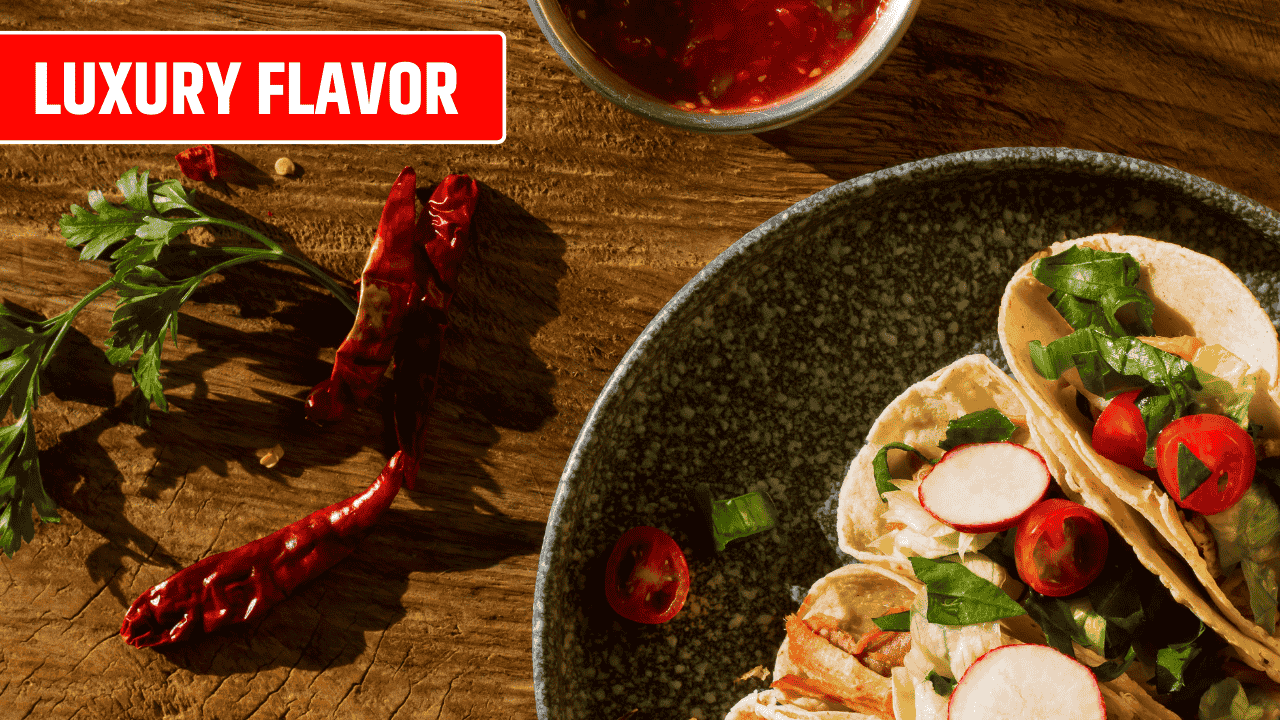
Mexican food culture is no longer confined to casual taquerias and neighborhood eateries—it’s becoming a celebrated presence in some of the most luxury-driven food scenes in the United States. In cities like Aspen and New York, where fine dining and culinary innovation reign supreme, Mexican cuisine has experienced a remarkable ascent. From refined mole sauces at farm-to-table restaurants to elevated street-food concepts in Michelin-starred venues, authentic Mexican flavors are reshaping expectations and captivating palates among discerning diners and hospitality insiders alike.
At the heart of this rapid rise is a deep respect for heritage and regional diversity, fused with creative chef interpretations that speak to upscale dining sensibilities. In Aspen’s snow-capped luxury resorts and New York’s Michelin-acclaimed neighborhoods, Mexican cuisine has evolved into an aspirational culinary expression—one that honors tradition while embracing modern sophistication.
The Shift from Casual to Culinary Prestige

Historically, Mexican food in the United States was often perceived through the lens of Tex-Mex or Americanized interpretations. Tacos, burritos, and fajitas dominated menus, sometimes overshadowing the rich complexity of regional Mexican cuisine. However, as global diners became more adventurous and informed, the appetite for authentic Mexican flavors—complete with ancestral techniques and distinct regional identities—grew stronger.
In high-end cities such as Aspen and New York, where gastronomy is both an art and status symbol, chefs began digging deeper into Mexico’s culinary roots. They reintroduced diners to complex sauces like mole negro and mole poblano, prized slow-cooked meats like barbacoa and cochinita pibil, and indigenous ingredients such as nixtamalized corn and heirloom chiles. This shift represents not just a trend in eating but a cultural acknowledgment—elevating Mexican cuisine to the same level as French, Japanese, or Italian fine dining.
Aspen: Alpine Elegance Meets Mexican Soul
Aspen, known for its world-class ski slopes and luxury lodges, might seem an unlikely stage for Mexican gastronomy. Yet its fine dining repertoire has increasingly embraced Mexican influences—with chefs drawing parallels between seasonality in alpine and Mexican regional cooking.

In Aspen’s top restaurants, elements of Mexican cuisine appear in unexpected ways: a mole-infused braise atop locally sourced game, a chile-smoked trout inspired by northern Mexican techniques, or a mezcal-centric cocktail list that mirrors the region’s reverence for terroir-driven spirits. The seamless integration of Mexican flavors with Aspen’s upscale dining culture reflects a broader gastronomic evolution: diners here crave complexity, authenticity, and storytelling—qualities richly embodied in elevated Mexican fare.
Chef-driven menus highlight indigenous ingredients while maintaining Aspen’s ethos of precision and elegance. For example, nixtamalized corn that once defined simple tortillas now forms the basis of refined cornbread accompaniments or gourmet heirloom pozole presented with seasonal mushrooms and truffles. These sophisticated reinterpretations signal that Mexican cuisine isn’t just being added to menus—it’s being integrated into a larger narrative of culinary excellence.
New York: A Global Culinary Capital Embracing Mexican Mastery
If Aspen represents refinement in a mountain setting, New York City stands as the global epicenter of culinary innovation. The city’s dedication to exploring world cuisines has made it fertile ground for Mexican cuisine to flourish at the highest levels.

In neighborhoods from the East Village to the Financial District, Michelin-recognized chefs are redefining Mexican dining with formal tasting menus, chef’s tables, and progressive ingredient pairings. Traditional techniques such as wood-fire grilling, slow pit roasting, and hand-made masa preparation are taking center stage—celebrated as much for their cultural significance as their flavor profiles.
In New York, Mexican food isn’t simply “elevated.” It’s contextualized within a larger gastronomic conversation that values provenance, seasonal expression, and cross-cultural collaboration. Fine dining spaces serve Oaxacan-inspired tasting menus that include mole series spanning multiple regions, while chic bistros reinterpret iconic Mexican dishes with contemporary finesse—think duck carnitas on house-made blue corn tortillas or smoked octopus with salsa verde and citrus foam.
These restaurants not only satisfy New Yorkers’ sophisticated palates but also contribute to a broader recognition: Mexican cuisine is as versatile, nuanced, and refined as any other major world culinary tradition.
The Role of Cultural Authenticity and Storytelling
Part of Mexican food’s appeal in these luxury markets lies in its rich cultural narratives. Diners aren’t just tasting food; they’re experiencing stories—of indigenous traditions, regional practices, and generational knowledge passed down through families.
Chefs and restaurateurs in Aspen and New York are telling these stories with integrity. Menus often include explanations of ingredients like chapulines (toasted grasshoppers), achiote pastes, or tamarind and cacao—not as novelties, but as meaningful culinary elements with deep cultural roots. Sommeliers and beverage curators pair dishes with artisanal mezcals, tequilas, and Mexican wines, elevating the meal into a full sensory journey.
This approach resonates deeply with luxury diners, who increasingly value authentic experiences over superficial opulence. In a market where culinary tourism and storytelling matter, Mexican cuisine delivers both richness of flavor and depth of context.
Challenges and Misconceptions in High-End Mexican Dining
Despite its ascension, Mexican cuisine’s integration into luxury dining hasn’t been without challenges. There remains tension between authentic representation and cultural appropriation, especially when upscale restaurants adopt traditional dishes without acknowledging their origins or the communities behind them.
In cities like New York and Aspen, many chefs work closely with Mexican culinary artisans or travel frequently to Mexico to study regional techniques—rooting their menus in respect and genuine understanding. This authenticity is crucial for preserving the soul of the cuisine even as it’s interpreted on elegant plates.
The Future: Continued Growth and Culinary Hybridity
Looking forward, the presence of Mexican cuisine in luxury markets shows no sign of slowing. Instead, we’re likely to see further fusion and evolution: collaborations between Mexican and other world cuisines; tasting menus that juxtapose regional Mexican flavors with contemporary techniques; and a growing spotlight on lesser-known ingredients and regional traditions.
Aspen’s alpine sophistication and New York’s global palette represent two distinct but complementary arenas where Mexican food culture continues to thrive—affirming its place not just on casual dining menus, but within the highest echelons of culinary artistry.
Mexican cuisine’s rapid rise in these cities isn’t a fleeting trend; it reflects a deeper shift in how we value tradition, innovation, and cultural exchange on the plate.
FAQs
What defines “authentic” Mexican cuisine in luxury dining?
Authenticity stems from traditional ingredients, regional techniques, and cultural context—adapted thoughtfully for upscale presentation without losing original essence.
Why is Mexican food gaining popularity in luxury cities?
Innovative chefs, informed diners, and a growing appreciation for culinary storytelling have elevated Mexican cuisine to fine dining spaces that celebrate complexity and heritage.
Are there risks of cultural appropriation in high-end Mexican restaurants?
Yes—when dishes are served without acknowledgment of their origins or cultural significance. Respectful representation involves honoring traditions and educating diners.
What makes Mexican ingredients appealing in fine dining?
Many Mexican ingredients—like diverse chiles, nixtamalized corn, and artisanal spirits—offer depth, versatility, and historical richness that pair beautifully with thoughtful culinary technique.
How do Aspen and New York differ in their Mexican food scenes?
Aspen blends Mexican flavors with alpine seasonality and resort dining culture, while New York integrates them into a global, Michelin-level culinary dialogue.